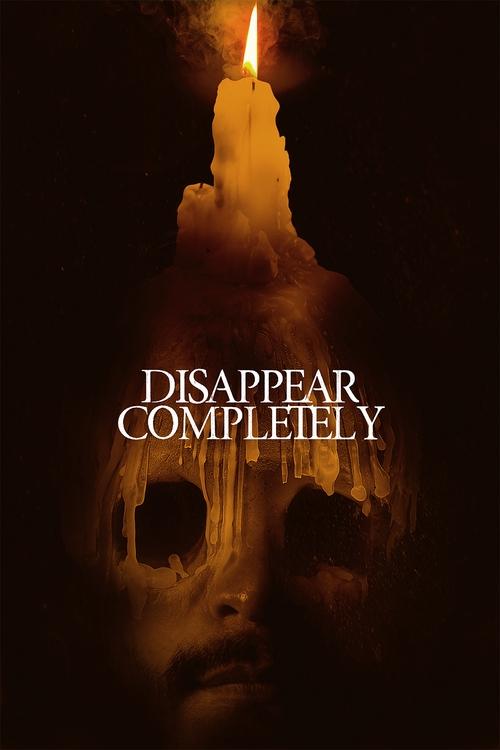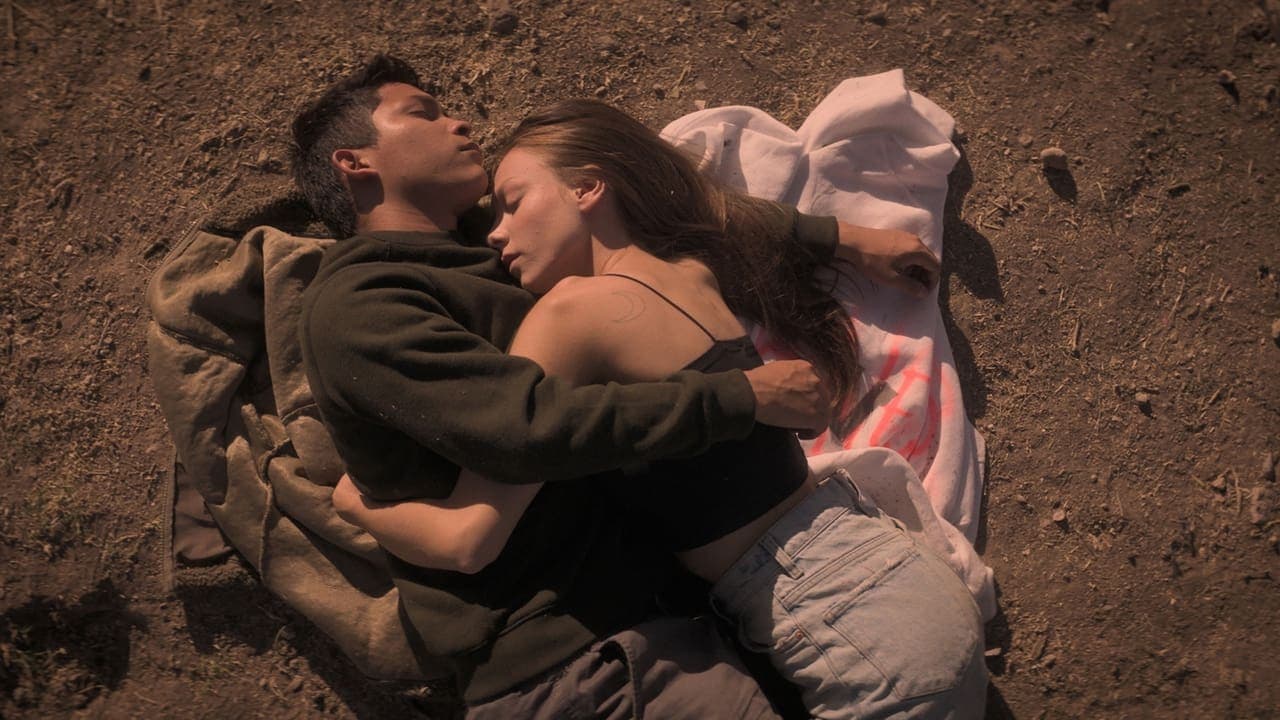








The story of Lost in the Night
Lost in the Night tells the story of a young man from a small mining town who finds himself drawn into the orbit of a wealthy family with a shadowy past. What begins as an encounter becomes an entanglement—one that pulls him deeper into a world of privilege, desire, and moral ambiguity. The 123-minute film unfolds as both a psychological thriller and a character study, exploring what happens when desperation meets seduction, and when class boundaries blur in the pursuit of belonging. There's no safe ground here. The film doesn't offer easy answers about who's predator and who's prey.
How Lost in the Night came together
Director Amat Escalante co-wrote the screenplay with his brother Martín, crafting a story that draws on the visual language of European art cinema while grounding itself in distinctly Mexican and Latin American themes of class struggle and corruption. The production itself was a true international effort—a Mexican-German-Dutch-Danish co-production involving eight production companies: Pimienta Films, Tres Tunas, Cárcava Cine, The Match Factory, Snowglobe, Sula Films, Bord Cadre Films, and Sovereign Films. This kind of multinational backing signals serious ambition, though it doesn't always guarantee commercial success. The cast brings real weight to the material. Juan Daniel García carries the film as the protagonist, while Ester Expósito, Bárbara Mori, and Fernando Bonilla round out the ensemble with performances that feel lived-in and complicated. The film arrived in 2023 rated TV-MA, and it earned six award nominations, suggesting that festival circuits and critics took notice even if mainstream audiences remained divided. On Movie OTT, you can track how the film's critical reception—a 60% on Rotten Tomatoes, 59 on Metascore, and a 6.1 on IMDb from nearly 1,000 votes—reflects that split opinion.
What makes Lost in the Night stand out
Honestly, what's striking about Lost in the Night is how it refuses to settle into genre comfort. It's not quite an erotic thriller in the traditional sense, though sexuality and seduction drive the narrative forward. It's not exactly a crime drama, though violence and moral corruption lurk beneath every scene. Instead, Escalante seems interested in capturing something messier—the way desire, class resentment, and family dysfunction can create a kind of gravitational pull that sucks everyone involved toward ruin. The performances don't telegraph emotion; they withhold it. García's character moves through the wealthy family's world like someone learning a foreign language he'll never quite master. There's a scene early on where he's at a dinner table surrounded by wealth and conversation he can't fully access—and you feel his discomfort, his hunger, his shame all at once. That's the film's real strength. It doesn't ask you to like anyone. It asks you to understand them, which is harder. Metascore's 59 reflects the critical ambivalence—some reviewers found the film's dark psychology compelling, while others felt it was style over substance. What's clear is that Escalante has made something that doesn't play it safe, and that refusal to compromise probably cost him some viewers but earned him respect from critics who value formal risk-taking.
Where to stream Lost in the Night online
Lost in the Night is currently available on major OTT platforms, and the where-to-watch widget at the top of this page will show you exactly which services carry it in your region right now. Streaming availability shifts constantly—titles move between Netflix, Prime Video, specialty services, and rental platforms depending on licensing windows—so checking that widget before you hit play is your best bet. Movie OTT tracks these changes in real time, so you're never hunting blind. The film's international production background means it may appear on different platforms depending on your location, so don't assume it's everywhere just because it's on one service.
Frequently asked questions
Q: Who directed Lost in the Night and what's his background?
Amat Escalante directed and co-wrote the film with his brother Martín. Escalante is a Mexican filmmaker known for making provocative, formally ambitious work that often examines desire, violence, and social structures. He's worked across international productions before, bringing that sensibility to this 2023 thriller.
Q: Is Lost in the Night based on a true story?
No, it's an original screenplay written by Amat and Martín Escalante. While it engages with real themes around class, corruption, and family dysfunction, the story itself is fictional and constructed as a psychological thriller.
Q: What's the age rating and is there violence or sexual content?
Lost in the Night is rated TV-MA, which means it contains content intended for mature audiences. The film includes violence and erotic elements as part of its exploration of desire and moral corruption, so it's not suitable for younger viewers.
Q: How long is Lost in the Night?
The film runs 123 minutes, giving Escalante enough time to build tension and develop his characters without rushing the psychological dimensions of the story.
Q: What do critics think of Lost in the Night?
Critical reception is mixed-to-positive. It holds a 60% on Rotten Tomatoes, a 59 on Metascore, and a 6.1 on IMDb. The film earned six award nominations, suggesting festival and critical recognition, though audience reactions are more divided—some find its dark psychology compelling, others feel it prioritizes style over substance.
Final thoughts on Lost in the Night
Lost in the Night isn't a film that wraps up neatly or leaves you feeling satisfied in a traditional sense. It's deliberately unsettling, which is exactly the point. If you're drawn to slow-burn thrillers that interrogate class, desire, and the corruption that comes with wealth—films that don't offer moral clarity—then this is worth your time. Escalante's international production, strong cast, and willingness to stay in uncomfortable territory make it a film worth seeking out. Just don't expect comfort. The thing nobody mentions is that sometimes the best thrillers are the ones that linger because they refuse to let you off the hook.