The story of Loup: tradition meets the wild
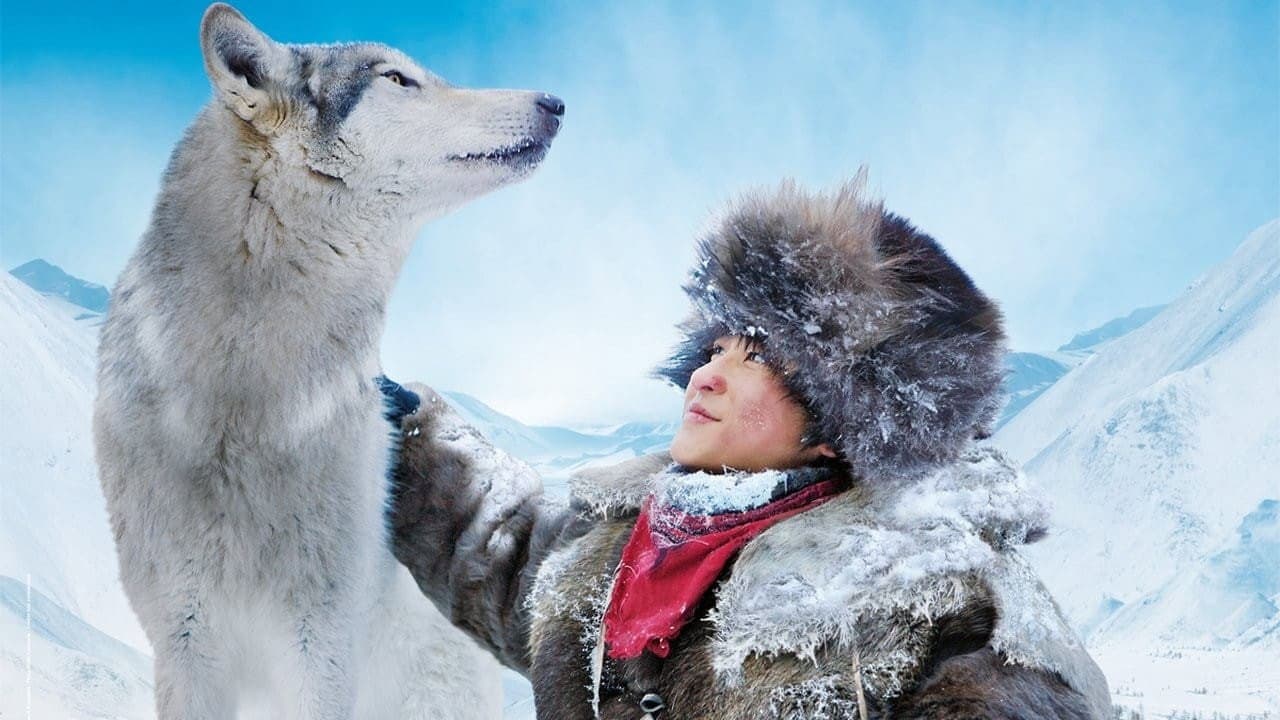
Sergei is sixteen, newly appointed as herdsman of the Batagi clan's largest reindeer herd—a title that comes with weight, responsibility, and no small amount of pressure. His father Boris leads the Evenk tribe, and Sergei's role in the summer cattle drive across Siberia's vast pastures marks his first real test as a man in a community where such distinctions matter deeply. The reindeer aren't just livestock; they're the tribe's entire livelihood, their security, their future. And lurking in the mountains is an enemy that won't negotiate: the wolf. What unfolds is part coming-of-age story, part survival narrative, anchored in a world most viewers will never see firsthand.
The film doesn't shy away from the harshness of this life. The Siberian landscape—beautiful and indifferent—becomes almost a character itself, a place where tradition isn't some quaint cultural artifact but a practical necessity. Sergei must learn quickly, trust his instincts, and prove himself worthy of the respect his father's position commands. The stakes feel real because they are. One bad decision during the drive, one moment of inattention, and the herd scatters. The wolves circle. The tribe's survival hangs in the balance.
Behind the making of Loup: an international production
Loup emerged from a substantial European co-production effort, with backing from French powerhouses Pathé, France 3 Cinéma, and Canal+, alongside production companies Angoa-Agicoa, MC4, and Taïga. The film was released in 2009 to a 102-minute runtime, giving the narrative room to breathe and the landscape room to dominate. That combination of French prestige production and Siberian authenticity—shooting on location rather than in a studio—shapes the entire visual and emotional texture of the work. The production involved regional support from Poitou-Charentes and the Département de la Charente-Maritime, reflecting France's investment in culturally ambitious cinema that ventures beyond metropolitan settings.
Casting and crew choices grounded the film in a commitment to authenticity. Rather than parachuting in European actors to play Siberian herders, the filmmakers worked with performers and community members who understood the landscape and the culture from lived experience. That decision pays dividends—there's a credibility to how characters move through this world, how they interact with the herd, how they read the weather and the wolves' behavior. It's not Hollywood's version of Siberia; it's a more textured, less romanticized portrait. The IMDb rating of 6/10 suggests the film found an appreciative but not universally rapturous audience, which often happens with smaller, regionally specific dramas that prioritize authenticity over broad commercial appeal.
What makes Loup stand out: performance and place
What's striking about Loup is how little it relies on dialogue to tell its story. Long stretches unfold with minimal conversation—the characters are too busy working, watching the herd, scanning the horizon for danger. That silence isn't emptiness; it's tension. Sergei's internal struggle, his doubt about whether he's ready, his fear of failing his father—all of it lives in his face, in the way he sits a horse, in the split-second decisions he makes when something goes wrong. The performances work precisely because they're understated, because the actors trust the material and the landscape to do much of the heavy lifting.
There's also something almost mythic about the structure, though it's grounded in documentary realism. The wolf isn't just a predator; it's a test, a force of nature that separates the capable from the unprepared. The tribe's relationship with the wolves—fear mixed with respect, a kind of adversarial kinship—speaks to a worldview where humans aren't separate from nature but embedded within it, subject to its rules. I keep coming back to scenes where the camera holds steady on the herd moving across open grassland, the mountains in the distance, and you realize this film is asking viewers to sit with slowness, to experience time the way Sergei does. Not everyone will find that meditative. Some will find it tedious. But for those who connect with it, there's a purity to the filmmaking that's rare—no score swelling to tell you how to feel, no cutaways to break the tension.
Where to stream Loup online
Loup is available on major OTT streaming platforms, and Movie OTT tracks current availability across services so you can find exactly where it's streaming in your region. The Where to Watch widget at the top of this page lists every platform currently offering the film, updated in real time. Because Loup is a smaller European production, it doesn't have the omnipresent distribution of major studio releases, so checking multiple platforms is worth your time. Whether you're browsing Netflix, Prime Video, or other streaming services, Movie OTT's aggregation tool saves you the hassle of checking each one individually.
Frequently asked questions
Q: Is Loup based on a true story?
Loup is a fictional narrative, but it's grounded in the real culture and practices of the Evenk people, indigenous reindeer herders of Siberia. The film draws authenticity from that lived reality, even as Sergei's personal journey is a created story.
Q: Who directed Loup?
The film was directed by Frédéric Pellen, a French filmmaker focused on character-driven narratives set in challenging environments. Pellen's approach prioritizes immersion and visual storytelling over exposition.
Q: What is the runtime of Loup?
The film runs 102 minutes, a length that allows the narrative to develop at a deliberate pace without unnecessary padding. That runtime gives the Siberian landscape and Sergei's internal journey equal weight.
Q: Is there a lot of violence involving the wolves in Loup?
The wolf attacks are depicted realistically but not gratuitously. The film treats them as genuine threats to the herd and the tribe, not as spectacle. Tension builds through anticipation as much as through action.
Q: What age group is Loup appropriate for?
Loup carries a drama/adventure classification and contains scenes of animal conflict and the harsh realities of survival. It's best suited for older teens and adults who appreciate slower-paced, character-focused cinema. Younger viewers might find the pacing challenging.
Final thoughts on Loup
Loup isn't trying to be everything to everyone. It's a specific film about a specific world, made with care and shot on location in Siberia by filmmakers who respected their subject matter. If you're drawn to coming-of-age stories that avoid sentimentality, or if you're fascinated by how traditional cultures navigate modernity and survival, this is worth your time. The film trusts its audience to sit with silence, to read subtext, to understand that sometimes the most important moments are the quiet ones. Don't expect explosions or plot twists. Expect instead a portrait of adolescence in one of the world's most unforgiving landscapes—and a meditation on what it costs to grow up.