The Story of Lucky Jordan: From Con Artist to Reluctant Patriot
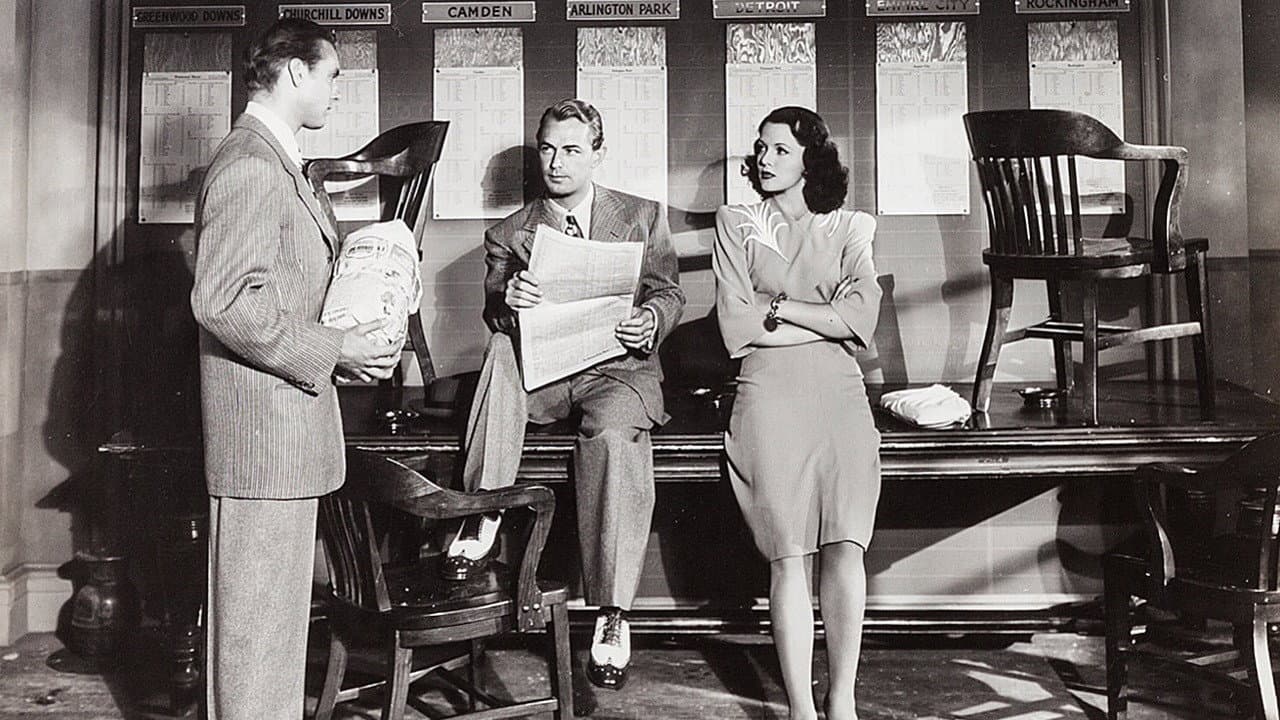
Lucky Jordan opens on a character who's got everything figured out—or so he thinks. The film follows Lucky, a self-assured New York gangster who's spent his life operating outside the law with the kind of swagger that comes from never having faced real consequences. When the draft board catches up with him, he doesn't panic. Instead, he enlists the help of an old con woman named Annie to convince the military that he's indispensable at home. It's a plan that feels foolproof to someone like Lucky. But the draft board isn't buying it, and before he knows what's happened, he's in boot camp—a place where his usual tricks don't work and authority figures aren't interested in his excuses. Desperate to escape, Lucky takes a beautiful USO worker hostage and flees back to New York, thinking he's outsmarted the system once again. What he doesn't realize is that his homecoming coincides with something far larger and more dangerous: a rival gangster is secretly plotting against America itself, working with Nazi operatives. Suddenly, Lucky's petty crimes and personal survival aren't the only stakes anymore.
Behind the Making of Lucky Jordan and Alan Ladd's Breakthrough
Lucky Jordan holds genuine historical significance in Hollywood's ledger: it marked Alan Ladd's first leading role in a major studio picture, and it launched him toward the stardom that would define the next two decades of his career. Paramount Pictures, riding high in the early 1940s, gave director Frank Tuttle the resources to craft what was intended as both entertainment and wartime propaganda—a film that could make audiences laugh while subtly reinforcing patriotic values during America's involvement in World War II. The supporting cast was equally notable for debuts and early career moments. Helen Walker, playing the principled USO worker Jill, was making her film debut alongside Ladd, and her chemistry with him carries much of the film's emotional weight. Sheldon Leonard rounded out the ensemble, bringing his characteristic tough-guy credibility to the proceedings. The 84-minute runtime was typical for the era, allowing the story to move briskly without overstaying its welcome. Paramount's marketing emphasized the tagline "Tough ... trigger mad ... and Terrific!"—a promise of action, comedy, and star power all wrapped together. While box office records from 1942 are fragmented, the film performed respectably and helped establish Ladd as a bankable leading man, a status he'd maintain through classics like The Blue Dahlia and Shane.
What Makes Lucky Jordan Stand Out in Wartime Cinema
What's striking about Lucky Jordan is how it manages to be genuinely funny without ever feeling like it's winking at the audience about the war. The humor comes from character and situation rather than forced gags—Lucky's increasingly desperate schemes, his clash with military discipline, the way he can't quite manipulate his way out of every corner he paints himself into. Ladd brings an unexpected lightness to the role; he's not playing it cool or detached the way he would in later noir films. Instead, there's a kind of nervous energy to him, a guy whose confidence is constantly being punctured by reality. I keep coming back to the moment when he realizes that his hostage, Jill, actually believes in something bigger than himself—and that belief is contagious in a way his cynicism can't quite defend against. Helen Walker's performance is crucial here. She could've been a one-note character, the disapproving love interest, but she brings genuine conviction to her patriotic convictions without ever becoming preachy. The film doesn't shy away from the central contradiction at its heart: a criminal learning to care about his country through an encounter with someone who already does. It's a wartime fantasy, sure, but it's executed with enough sincerity that it doesn't feel manipulative. The IMDb rating of 7.4/10 reflects an audience that recognizes both the film's entertainment value and its earnest attempt to balance comedy with something more substantive.
Where to Stream Lucky Jordan Online
Lucky Jordan is available on major OTT services, and you can check the "Where to Watch" widget at the top of this page to see which platforms currently have it in your region. Since streaming availability shifts frequently, Movie OTT tracks these changes across services to help you find exactly where the film is streaming right now. Whether you're looking to revisit Ladd's breakthrough performance or discovering it for the first time, you'll want to verify current availability before settling in. The film's 84-minute runtime makes it perfect for a single sitting, and the combination of wartime comedy and genuine dramatic stakes holds up remarkably well across the decades.
Frequently asked questions
Q: Is Lucky Jordan based on a true story?
No, Lucky Jordan is a fictional screenplay written specifically for the film. While it incorporates real wartime concerns about Nazi espionage, the character of Lucky and his personal journey are entirely invented by the screenwriter.
Q: Who directed Lucky Jordan?
Frank Tuttle directed the film. Tuttle was a reliable studio director at Paramount during the 1940s, known for his ability to handle both comedy and drama with equal competence.
Q: Was this really Alan Ladd's first leading role?
Yes, Lucky Jordan marked Alan Ladd's debut as the lead in a major studio production. Before this, he'd appeared in smaller roles and bit parts, but this Paramount picture gave him his first real opportunity to carry a feature film.
Q: How long is Lucky Jordan?
The film runs 84 minutes, which was a standard feature length for Hollywood productions in 1942. It's short enough to watch in one sitting without feeling rushed.
Q: Where can I watch Lucky Jordan?
You can find current streaming options by checking the "Where to Watch" widget on this page. Movie OTT aggregates real-time availability across all major platforms, so you'll always know exactly where to stream it.
Final Thoughts on Lucky Jordan
Lucky Jordan deserves rediscovery, not as a curiosity about where Alan Ladd's career began, but as a genuinely entertaining film that understands how to blend comedy with conviction. It's the kind of wartime picture that doesn't feel dated because it never relied on dated references—just on character, humor, and the simple idea that people can change when they encounter something worth believing in. If you haven't seen it, there's no better time than now.