




The Story of Luisa Sanfelice
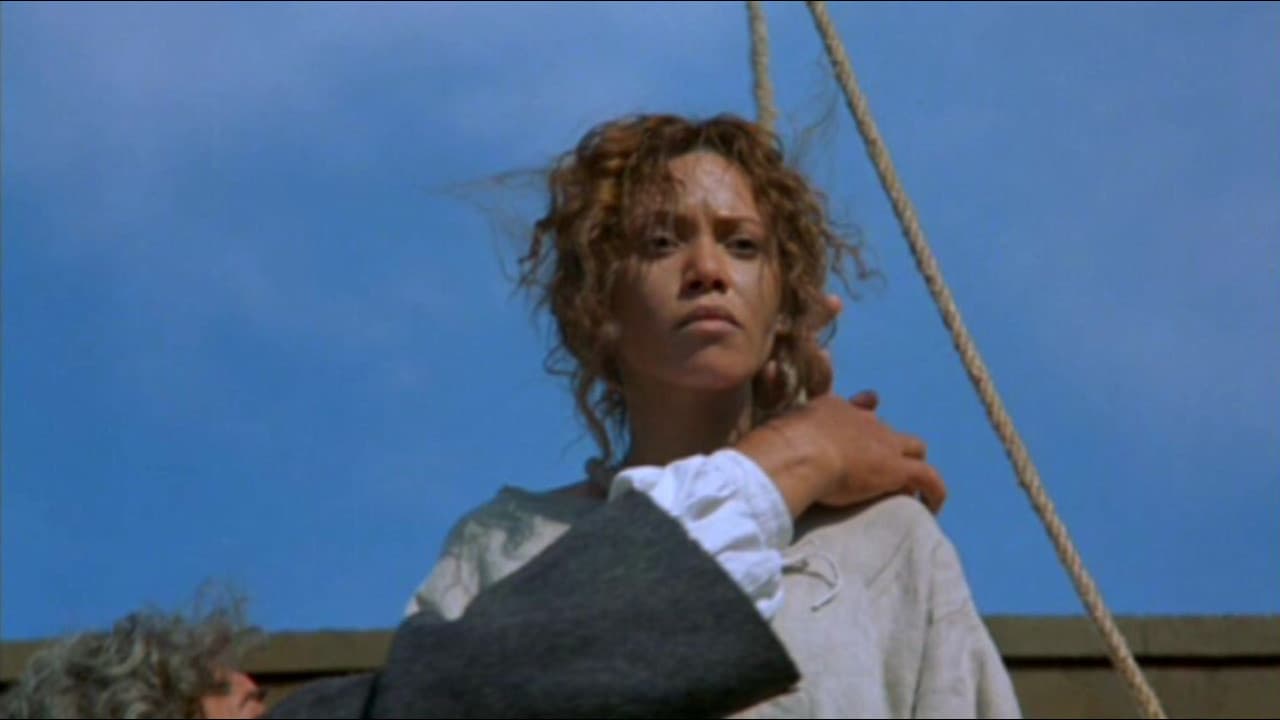
Luisa Sanfelice is a 2004 Italian historical drama that pulls from one of Alexandre Dumas's lesser-known novels—the true story of a woman and her lover's attempt to overthrow the Italian monarchy in the 18th century. Set against the backdrop of Naples during a time of political ferment, the film follows Luisa through a world of court intrigue, forbidden romance, and dangerous idealism. What makes this narrative compelling isn't just the historical stakes—it's the intimate human cost of resistance. She's caught between her love for a man committed to revolution and the weight of consequences that come with choosing the wrong side of history. The film doesn't shy away from the darker realities of that era: the gallows, the noose, public execution. These aren't just backdrop; they're the shadow hanging over every decision the characters make.
Behind the Making of Luisa Sanfelice
Directed by Paolo and Vittorio Taviani—the renowned Italian brothers known for their meticulous historical work—Luisa Sanfelice represents a collaboration between Italian and French producers, reflecting the pan-European interest in 18th-century Italian history. The film stars French actress Laetitia Casta in the title role, bringing an international dimension to what could have been a purely Italian production. The Taviani brothers have a track record of crafting visually sumptuous period pieces that don't sacrifice emotional depth for spectacle, and Luisa Sanfelice follows that tradition. The 2004 release came at a time when European historical dramas were experiencing a modest resurgence on the international festival circuit, though it didn't achieve the widespread box office penetration of bigger-budget English-language productions. Still, the film earned respect within cinema circles for its commitment to historical accuracy and its refusal to simplify the moral complexities of its source material. While it didn't sweep major awards ceremonies, it found appreciation among critics who valued its earnest approach to adapting Dumas's lesser-known work.
What Makes Luisa Sanfelice Stand Out
What's striking about Luisa Sanfelice is how it treats its female protagonist not as a passive romantic figure but as someone grappling with agency in a world designed to strip it away. Laetitia Casta's performance anchors the entire film—there's a quiet intensity to her portrayal that captures both the vulnerability and steeliness required of someone navigating court politics while harboring revolutionary sympathies. The cinematography doesn't rely on the usual gauzy romanticism of period dramas; instead, it emphasizes the claustrophobia of the settings, the weight of silk and jewels, the way beauty becomes a prison. I keep coming back to how the film uses its historical setting not as decoration but as a genuine constraint on what the characters can do and say. The Taviani brothers understand that 18th-century Naples wasn't just a pretty backdrop—it was a system. Every scene carries that pressure. What the film captures, and what Movie OTT helps you access without hunting through physical media, is a kind of unfashionable sincerity about historical trauma. The execution sequences—and there are several—aren't gratuitous. They're the logical endpoint of choices made earlier, and the film doesn't look away from that reckoning.
Where to Stream Luisa Sanfelice Online
Finding older European art films can be frustrating, but Luisa Sanfelice is currently available on major OTT services, making it far more accessible than it was even five years ago. The streaming landscape has made it easier for viewers to discover titles that might otherwise remain locked in festival archives or specialty video stores. If you're using Movie OTT to track where your favorite films are streaming, you'll find the platform's availability widget at the top of this page shows you exactly which services carry it right now—no more guessing or dead links. Because streaming rights shift constantly, that widget updates automatically, so you'll always know whether it's on your subscription or if you need to rent it separately. It's the kind of friction-reducing tool that makes rediscovering older films actually feasible for busy viewers.
Frequently asked questions
Q: Is Luisa Sanfelice based on a true story?
Yes. The film is an adaptation of a novel by Alexandre Dumas based on the real historical figure of Luisa Sanfelice, an 18th-century Italian woman involved in a failed plot against the Bourbon monarchy in Naples. While Dumas took literary liberties, the core events—including her execution—are rooted in actual history.
Q: Who directed Luisa Sanfelice?
The film was directed by Paolo and Vittorio Taviani, the celebrated Italian filmmaker brothers known for their visually rich and historically grounded period dramas. They brought their signature attention to detail and emotional complexity to this 2004 production.
Q: Who stars in Luisa Sanfelice?
French actress Laetitia Casta plays the title role. Her performance grounds the film's exploration of political rebellion and romantic passion in a deeply human portrayal of a woman caught between love and ideology.
Q: What's the IMDb rating for Luisa Sanfelice?
The film holds a 6/10 rating on IMDb based on 100 votes, reflecting a modest but respectable reception that suggests it appeals to viewers interested in European historical drama rather than mainstream audiences.
Q: Is this a sad ending?
Without spoiling specifics, the film doesn't shy away from the tragic consequences of its historical setting. The title character's fate is tied to real events, and the Taviani brothers handle that material with gravity rather than sentimentality.
Final Thoughts on Luisa Sanfelice
Luisa Sanfelice won't appeal to everyone. It's a deliberately paced historical drama that trusts its audience to sit with moral ambiguity and political complexity. But if you're drawn to period films that treat their settings as living systems rather than costume galleries, and if you want to see a female character navigate impossible choices without being reduced to a love interest—this one's worth your time. The film respects both its source material and its viewers.