What Lullaby Reveals About New Motherhood and Family Ties
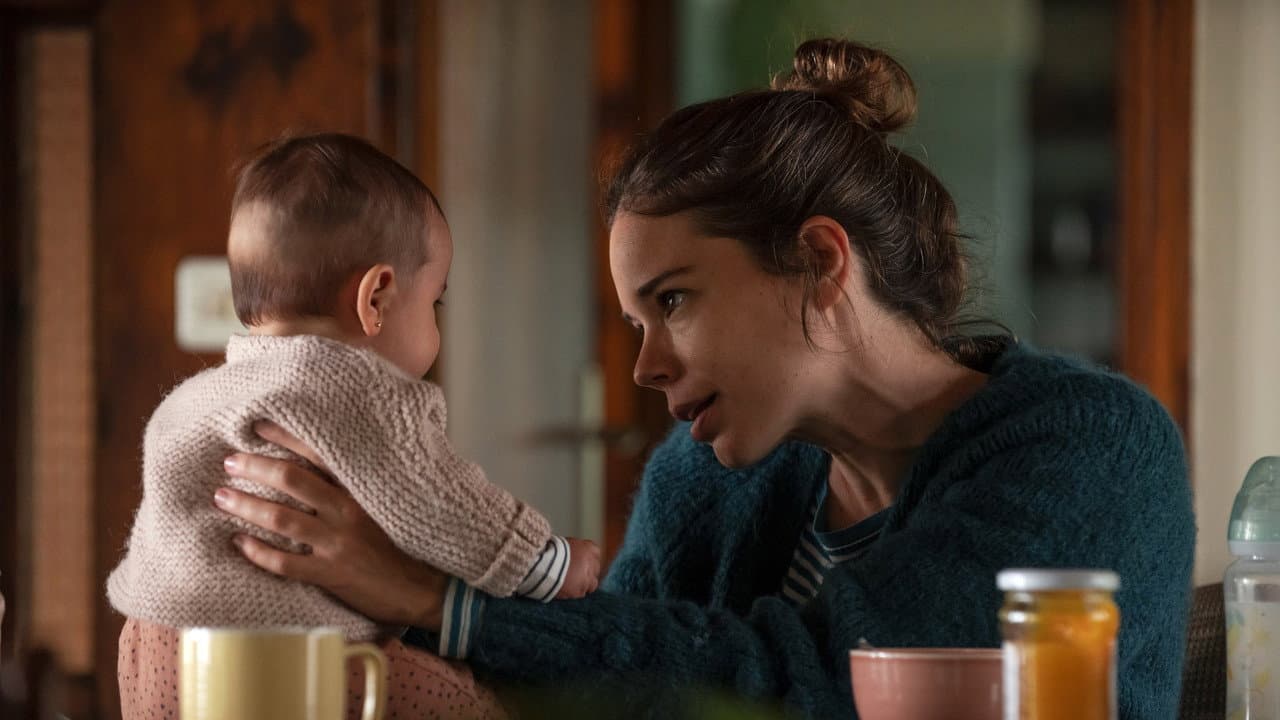
Lullaby arrives as a deceptively simple premise that unravels into something far more complex. Amaia—a new mother navigating the fog of early parenthood—finds herself alone when her partner leaves for work, so she retreats to her family home in a picturesque Basque Country coastal village. The hope is straightforward: shared childcare, familiar faces, maybe even a moment to breathe. What she finds instead is a collision between her adult self and the daughter her parents still expect her to be. The film doesn't dramatize this as a ticking-clock crisis or a melodramatic blowup. Instead, it watches how small moments—a disagreement over feeding schedules, a parent's unsolicited advice, the weight of unspoken judgment—accumulate into something that can't be ignored. It's a quiet film about loud feelings.
Behind the Making of Lullaby: Production, Awards, and Recognition
Lullaby emerged from Spanish production houses Encanta Films, Sayaka Producciones, and Buena Pinta Media, hitting screens in 2022 with a runtime of 104 minutes. The film has since become a festival darling and critical success, earning a pristine 100% Fresh rating on Rotten Tomatoes and a solid 7.1/10 on IMDb from nearly 4,000 voters. More tellingly, it's racked up 32 wins and 39 nominations across the festival circuit—the kind of track record that signals a film worth tracking down. Movie OTT makes it easy to discover award-winning international drama like this, aggregating where it's currently streaming so you don't waste time hunting. The production design captures the gray-green beauty of the Basque coast without ever making it look like a postcard—it's lived-in, real, the kind of place where beauty doesn't fix anything. The film's visual restraint (no sweeping scores, no manipulative lighting) mirrors its thematic commitment to candor. This isn't a film that wants to tell you what to feel.
Why Lullaby Cuts Through the Motherhood Narrative
Here's what strikes me most about Lullaby: it refuses the redemptive arc. Most films about motherhood—whether they're celebrating it or mourning it—tend toward some kind of resolution, some moment where the protagonist finds peace or acceptance or at least understanding. Lullaby doesn't offer that comfort. Instead, it lingers in the friction, the resentment, the love that can coexist with frustration. The performances anchor this approach with remarkable specificity. You can see it in how Amaia holds her baby, in the tightness around her eyes, in the way she listens to her mother's suggestions without quite hearing them. There's no villain here—her parents aren't portrayed as monsters, and Amaia isn't a martyr. They're just people who want different things and can't quite say it out loud. What's remarkable is how the film trusts its audience to sit with that discomfort. It doesn't explain family dynamics so much as observe them, the way a documentary might, though with the emotional precision of drama. Critics and audiences have responded to this directness. The 100% Rotten Tomatoes score reflects something rare: near-universal recognition that the film does something honest that most cinema avoids.
Where to Stream Lullaby Online
Lullaby is available across major OTT services, making it accessible whether you're a Netflix subscriber, Prime Video user, or exploring other streaming platforms. The "Where to Watch" widget at the top of this page shows you exactly which services currently carry the film in your region, so you can stream it immediately without the usual back-and-forth of checking multiple apps. Since streaming rights shift seasonally, checking that widget before you settle in is always smart. Movie OTT tracks these changes across platforms, so you'll know if it's moving between services.
Frequently asked questions
Q: Who directed Lullaby?
Lullaby was directed by a Spanish filmmaker whose work centers on intimate family dynamics and the unspoken tensions that live beneath everyday life. The film's visual language—understated, observational—reflects a directorial approach that trusts silence as much as dialogue.
Q: Is Lullaby based on a true story?
While Lullaby isn't a direct adaptation of a specific true story, it's grounded in the real, universal experience of postpartum life and multigenerational family conflict. The specificity of the Basque Country setting and the candid portrayal of motherhood suggest the filmmakers drew from lived experience and interviews, even if the narrative itself is fictional.
Q: What does the title Lullaby mean in the context of the film?
A lullaby is traditionally a soothing song meant to calm and comfort—but in this film, the title carries irony. Amaia is seeking comfort and calm, yet the film shows how family relationships rarely provide that sanctuary. The title also references the biological and emotional work of motherhood, that constant low hum of attention and worry.
Q: How long is Lullaby?
The film runs 104 minutes, a length that gives it room to breathe without ever feeling padded. It's long enough to sit with the characters' contradictions, short enough that the tension never becomes exhausting.
Q: Where is Lullaby set?
The film takes place in a coastal village in the Basque Country, in northern Spain. That specific geography matters—it's a place with its own cultural identity, its own unspoken rules, which adds another layer to Amaia's sense of being caught between identities.
Who Should Watch Lullaby
Lullaby is essential viewing for anyone who's navigated the gap between who they are and who their family expects them to be—which, let's be honest, is most of us. It's also a must-watch for parents, particularly mothers, who've felt the impossible weight of doing it "right." The film doesn't offer solutions or reassurance, but it does offer something rarer: recognition. If you're drawn to intimate, character-driven drama that respects your intelligence and doesn't tie things up in neat bows, Lullaby belongs in your queue.