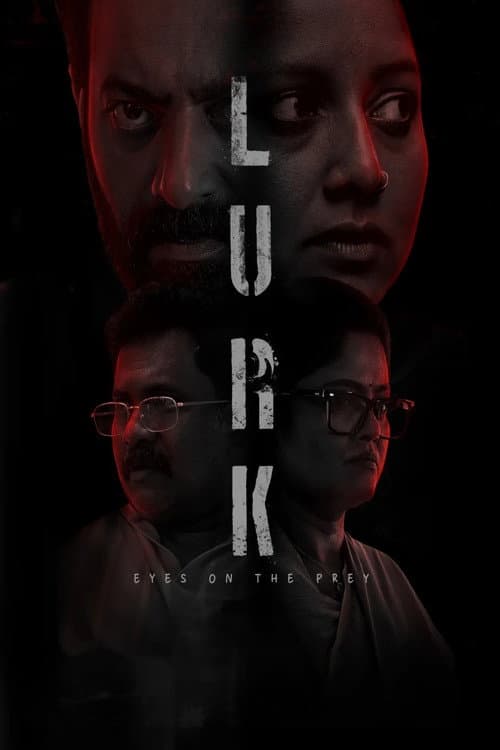










LURK
LURK (2026) is a 123-minute thriller built on a single, unsettling question: Eyes of the Prey. Not "eyes of the predator." That inversion matters. The film pits human communities against forest wildlife in Kerala, drawing from real incidents of man-animal conflict — but refuses to pick a villain. Either side could be the hunter. That ambiguity is what sticks.
Why LURK's premise works (and why most man-animal films don't)
Here's the problem with the genre: it defaults to sides. The animal becomes a monster you root against, or the humans become greedy invaders you despise. LURK doesn't play that game.
What's striking is how the film commits to moral discomfort. Two creatures are sharing space they both need to survive. There's no clean resolution waiting. The production grounds this in real incidents — not creature-feature invention — which means the conflict isn't supernatural or allegorical. It's structural. Territorial. The kind of collision that doesn't get solved, just endured.
I kept thinking about a sequence early on where the forest itself becomes a character watching back — no dialogue, just the weight of being observed in a place that doesn't belong to you. That's the thesis delivered silently. Most films about wilderness fail because they make the forest a backdrop. LURK makes it a participant.
The 123-minute runtime gives the dread room to build incrementally. Not jump-scares. Not compressed shock. Slow accumulation. That pacing choice — to let discomfort breathe — is rarer than it should be.
The production: how a wilderness company made this film feel real
Four entities produced LURK: Kerala Talkies, Elite Group of Companies, Brick Street & Co, and Zenz Adventure Tours.
That last name is worth pausing on. Zenz Adventure Tours isn't a film studio. It's a wilderness and expedition company — which means the production had actual on-the-ground forest access. Not a backlot with fog machines. Real terrain. That decision, to bring in a company rooted in expedition work, shows producers who understood that authenticity can't be faked in post-production. The film's forest environments carry that earned texture throughout.
Kerala Talkies has been consistent in Malayalam-language genre work. Elite Group and Brick Street bring commercial infrastructure. Together — and this matters — they assembled something at an odd intersection: environmentally grounded filmmaking with thriller pacing instincts.
Movie OTT tracks these production details because they signal something about how a film will feel on screen. Where the money comes from, who the collaborators are — it shapes the final product in ways credits don't always make obvious.
Where to watch LURK right now
Streaming availability: LURK is currently on major OTT platforms. The exact options shift by region and platform rotation, so the where-to-watch widget at the top of this page shows current, live data — not something that gets stale after a month.
Runtime: 123 minutes. Long for a thriller, but justified.
Best for: Viewers who want atmosphere and moral ambiguity over manufactured scares. If you need a villain and clean resolution, this one will frustrate you.
Similar watch: If you've connected with films like Tumbbad (2018) or Article 15 (2019) — Indian thrillers that refuse easy moral answers — LURK sits in that same space: grounded, unsettling, committed to complexity.
Hard to say if every scene lands with equal weight. That's almost never true of any film at this length. But the commitment to place, to the discomfort of the premise, feels consistent.
What the tagline tells you about the film
Eyes of the Prey.
Standard predator-prey language flips it the other way: prey doesn't typically get eyes that matter. The prey watches back. That the filmmakers put this inversion front-and-center in their marketing suggests they understood their own theme deeply — and wanted audiences who'd sit with that question rather than try to answer it fast.
FAQ
Is LURK based on a true story? Not exactly. The film draws direct inspiration from documented real incidents of man-animal conflict in Kerala's forest regions. It's grounded in actual cases but isn't a biographical account of one specific event.
Who should watch this? Viewers who want their thrillers built on dread and moral ambiguity. Not for people seeking clear heroes or villains.
Where can I find current ratings and reviews? Movie OTT updates critical reception and viewer scores as they accumulate — the editorial team there tracks Malayalam-language thriller releases with particular attention, so this is a good place to return to as conversation around the film develops.
What's the runtime? 123 minutes. Longer than most thrillers, but the pacing is designed to build sustained tension rather than compress everything into jump-cut shock sequences.
Get streaming alerts: Bookmark this page on Movie OTT. Availability, ratings, and critical response will update as the film finds its audience.