The story of Madame X and her unforgivable past
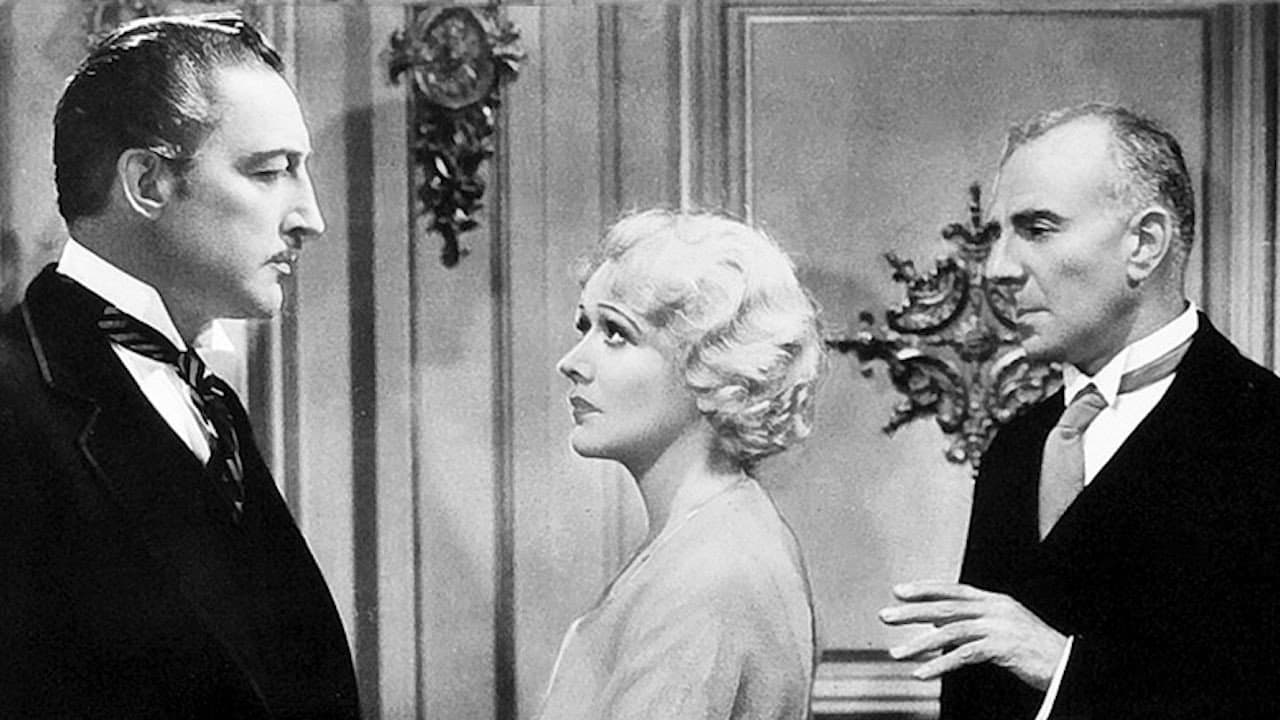
Madame X tells the story of a woman whose single mistake—one moment of poor judgment—has haunted her entire existence. When she's arrested and charged with murder, she refuses to mount any real defense, resigned to whatever punishment awaits her. Enter a young, idealistic lawyer named Raymond who takes on her case, determined to uncover why she won't fight for her own life. What he doesn't know—what nobody knows—is that the woman in the dock is his own mother, a secret she's kept buried for decades. The film unfolds as a retrospective, peeling back layers of her life to show us exactly how a respectable woman descended into the circumstances that led to her downfall. It's a story about maternal sacrifice, about the impossible choices women faced in a different era, and about whether redemption is ever truly possible once you've fallen this far.
Behind the making of Madame X and its place in cinema history
Madame X arrived in 1937 as yet another adaptation of Alexandre Bisson's 1908 French play La femme X, a property that had proven its staying power across multiple continents and mediums. The play had been translated for American audiences in 1910 and had already been filmed at least three times before MGM took another crack at it. Director Sam Wood—a reliable craftsman who'd worked on everything from prestige dramas to comedies—was brought in to helm this version, though some sources suggest Gustav Machaty may have started the project before being replaced. What's unclear is whether any of Machaty's footage made it into the final cut, but Wood's steady hand is evident throughout the 72-minute runtime.
The production cast Gladys George in the title role, a seasoned performer who brought gravitas to the melodramatic material, with Raymond Hackett as the son-turned-defender and Lewis Stone as the indifferent husband whose coldness sets the tragedy in motion. As a major studio picture from Hollywood's golden age, the film benefited from MGM's resources and polish, though it wasn't a runaway box-office smash—the melodrama genre was already becoming somewhat dated by the late 1930s. Still, the film earned respect for its willingness to revisit a property that clearly resonated with audiences across generations, suggesting something in Bisson's original concept tapped into universal anxieties about motherhood, secrecy, and social judgment.
What makes Madame X stand out as a character study
The real power of Madame X isn't in its plot mechanics—the "twist" that the defendant is the lawyer's mother feels almost quaint by modern standards—but in how the film uses that revelation to examine the impossible bind of maternal silence. What's striking is that the woman never tries to claim innocence or to explain away her actions. She's guilty, she knows it, and she seems almost relieved to finally face consequences after years of hiding. The retrospective structure allows the film to show us her youth, her marriage to a man incapable of affection, the slow erosion of her respectability, and the circumstances that pushed her toward violence. It's not that she's a monster; it's that the world—and the men in it—didn't leave her many choices.
Actress Ruth Chatterton (who plays the younger version of Madame X in the flashbacks, with George handling the courtroom scenes) brings a particular kind of weariness to the role, the exhaustion of someone who's been carrying an unbearable secret for too long. The film doesn't shy away from her alcoholism or her moral compromises, treating her as a fully realized person rather than a saintly martyr. Raymond Hackett's performance as the son is equally important—his journey from confident young lawyer to devastated son discovering the truth creates the emotional spine the movie needs. You can see the moment his certainty crumbles, and it's genuinely affecting. The thing nobody mentions is that this film actually trusts its audience to sit with uncomfortable ambiguity. There's no moment where Madame X gets to explain everything away or where the film reassures us that she's really a good person who made one mistake. She's complicated. She's guilty. She's also a victim of her circumstances. All of that can be true at once, and the film holds that tension without flinching.
Where to stream Madame X online
Finding older films like Madame X can be tricky—they don't always show up on the same platforms as newer releases. The good news is that this 1937 MGM picture is currently available on major OTT services, and you can check the "Where to Watch" widget at the top of this page to see which platforms are carrying it right now in your region. Streaming availability shifts regularly, so Movie OTT keeps a live tracker of where this title is available—whether that's on subscription services, rental platforms, or free ad-supported options. If you're a fan of classic Hollywood melodramas or interested in how the same story has been adapted multiple times across cinema history, it's worth tracking down when it's available near you. Classic films like this one have found new audiences through streaming, making it easier than ever to discover the movies that shaped modern storytelling.
Frequently asked questions
Q: Is Madame X based on a true story?
No, it's based on the 1908 French play La femme X by Alexandre Bisson. While the story explores universal human experiences—motherhood, sacrifice, shame—it's a work of fiction that was adapted for the stage before being filmed multiple times across different countries and eras.
Q: Who directed Madame X?
Sam Wood directed the 1937 version. Some sources mention Gustav Machaty was involved early in production, but he was replaced by Wood, and it's unclear whether any of his footage appears in the final film.
Q: How long is Madame X?
The film runs 72 minutes, making it a relatively tight melodrama by the standards of 1930s Hollywood. It's the kind of movie you can watch in an evening without a huge time commitment.
Q: Why was this play adapted so many times?
The core premise—a woman's secret past catching up with her, the revelation of hidden motherhood, the tension between personal guilt and social judgment—clearly struck a chord across different eras and cultures. The story explores timeless questions about redemption and whether society allows room for second chances.
Q: What's the difference between this version and earlier film adaptations?
While all versions are based on Bisson's original play, the 1937 MGM version made significant changes to the material, adapting the story for contemporary American audiences and sensibilities of that era, though the central melodramatic structure remained intact.
Final thoughts on why Madame X still matters
Madame X won't blow your mind with innovation or technical brilliance—it's a straightforward melodrama made by professionals who knew how to tell this kind of story. But there's something to be said for a film that trusts the emotional weight of its premise and doesn't feel the need to complicate things unnecessarily. The central relationship between mother and son, neither knowing who the other truly is until it's almost too late, carries real poignancy. If you're interested in classic Hollywood, in how stories get remade and reimagined, or simply in watching skilled actors navigate the emotional terrain of shame and redemption, Madame X is worth your time.