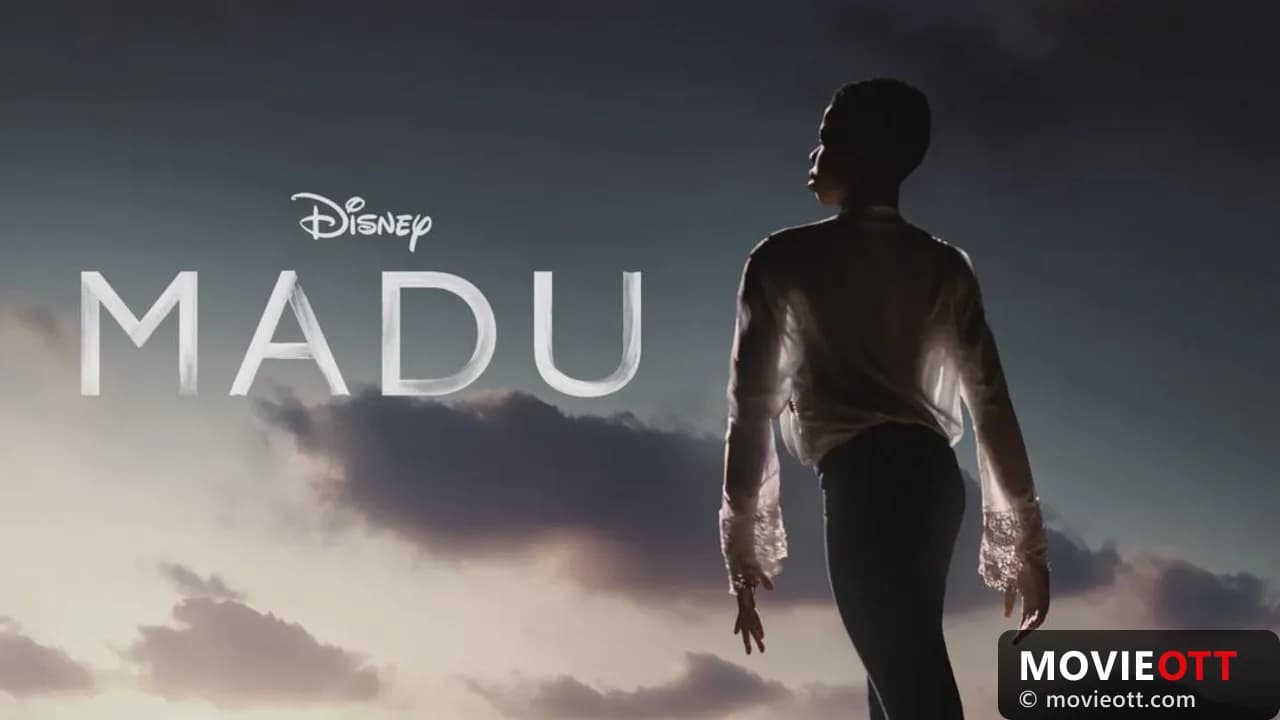
The Story of Madu: From Lagos to London's Ballet Elite
Madu charts the remarkable trajectory of a young Nigerian boy whose passion for ballet becomes his lifeline. The documentary opens in Lagos, where the protagonist discovers dance not as a casual interest but as an all-consuming dream—one that seems impossibly distant from his circumstances. What makes this story work isn't just the underdog narrative (though there's plenty of that); it's the specificity of how this particular family, in this particular place, decides that ballet—of all things—is worth fighting for. Directors Matthew Ogens and Joel Kachi Benson frame the early scenes with real texture, showing us not a sanitized "poor kid makes good" story but the actual friction, doubt, and determination that fuels the journey.
The film doesn't rush to the triumph. Instead, it sits with the grinding reality of training in Lagos, the financial barriers, the skepticism from people who don't understand why a Nigerian kid would pursue classical ballet when so many other paths seem more practical. That tension—between dream and reality—is what the documentary keeps returning to throughout its 100-minute runtime.
Behind the Making of Madu: Production, Directors, and Disney's Investment
Madu arrived in 2024 as a Disney+ original documentary, marking the studio's continued investment in international stories that center on personal transformation. Directors Matthew Ogens and Joel Kachi Benson brought complementary sensibilities to the project—the kind of collaborative filmmaking that doesn't always announce itself loudly but shows in the film's patient pacing and genuine intimacy with its subject. The pair didn't approach this as a "triumph of the human spirit" assembly line; they were interested in the messiness, the setbacks, the moments when it all feels like it might collapse.
The documentary stars Anthony Madu, who isn't an actor but the real person at the center of this story, which is both the film's greatest strength and its most challenging aspect. You're watching someone's actual life unfold, not a performance of a life. That authenticity carries weight. The film holds a TV-PG rating, making it accessible to family audiences—a decision that reflects both the film's emotional core and Disney's distribution strategy.
Critically, Madu has earned a perfect 100% on Rotten Tomatoes, a stark contrast to its 5.3/10 IMDb score (based on 249 votes at time of writing). That gulf between critical consensus and audience reception is worth noting—it suggests the film resonates deeply with critics who appreciate documentary craft and thematic depth, while some general viewers may find it slower-paced or more introspective than they expected. The film received one award nomination, though it hasn't become a major awards-season player, which speaks to the competitive landscape for documentaries even on major platforms.
What Makes Madu Stand Out: Why Critics Are Embracing This Story
Here's what's striking about Madu: it refuses to make the ballet world the villain. You might expect a documentary like this to position classical ballet—with its Eurocentric traditions, its gatekeeping, its well-documented issues with diversity—as an antagonist to overcome. Instead, the film treats the English National Ballet School as a legitimate, challenging goal, and the people within it as humans doing their jobs. That's a more nuanced take than we often see. The school isn't demonized; it's just exacting, demanding, and—crucially—far away from home.
What the documentary really understands is that the hardest part isn't getting accepted to a prestigious institution. It's what happens after. The loneliness. The cultural displacement. The pressure to justify your family's sacrifice. The fear that you might not be good enough, that you've dragged everyone through this for nothing. These aren't plot points; they're the emotional texture that runs through every scene.
The cinematography captures both the grandeur of ballet training sequences and the quiet moments in dorm rooms or video calls home—moments that don't feel cinematic but feel true. What's remarkable is how the directors balance spectacle with intimacy; you get the beauty of movement and discipline without the film ever becoming a glossy sports documentary. There's a specificity to how Madu looks at this particular person's struggle that keeps it from feeling generic.
That 100% Rotten Tomatoes score reflects critics' appreciation for the film's emotional intelligence and its refusal to oversimplify. This isn't a film that tells you what to feel; it shows you a young person navigating an impossible situation and lets you sit with the complexity.
Where to Stream Madu Online
Madu is available on major OTT services, with Disney+ being the primary home for this documentary. If you're looking for current streaming availability across all platforms, Movie OTT tracks where this title is currently streaming—check the "Where to Watch" widget at the top of this page for the most up-to-date information on which services carry it in your region. The documentary's accessibility on a major platform like Disney+ means it's reached a wider audience than many international documentaries, though that also means it's competing for attention alongside countless other titles.
Given the film's TV-PG rating and its focus on family sacrifice and personal growth, it's a natural fit for family viewing, though it'll probably resonate most with viewers who appreciate character-driven documentaries over plot-heavy entertainment.
Frequently Asked Questions
Q: Is Madu based on a true story?
Yes. Madu is a documentary that follows the real life of Anthony Madu, a young Nigerian dancer. Everything you see is actual footage of his journey from Lagos to the English National Ballet School—not dramatized or reconstructed.
Q: Who directed Madu?
The documentary was directed by Matthew Ogens and Joel Kachi Benson, who co-helmed the project to tell this story of perseverance and cultural displacement with nuance and intimacy.
Q: Where can I watch Madu?
Madu is available on Disney+ and other major streaming platforms. Check the "Where to Watch" widget on this page for current availability in your area.
Q: How long is Madu?
The documentary runs 100 minutes, giving it enough time to develop its themes without overstaying its welcome—a runtime that feels deliberate rather than arbitrary.
Q: What's the critical reception of Madu?
Critics have embraced Madu with a perfect 100% on Rotten Tomatoes, though IMDb users have given it a more mixed 5.3/10 rating, suggesting it appeals strongly to critics who appreciate documentary craft while some general audiences find it slower-paced than expected.
Final Thoughts on Madu
If you're looking for a documentary that doesn't rely on manipulation or easy answers, Madu delivers something more valuable. It's a film about sacrifice, displacement, and the quiet courage it takes to pursue something that doesn't make sense to anyone around you—and then to keep pursuing it even when doubt creeps in. You don't need to care about ballet to connect with this story. What matters is recognizing yourself, or someone you love, in the struggle to become something the world didn't expect you to be. That's universal. That's why critics have responded so strongly, and why it's worth your time.