

The story of Man on Fire and its custody court drama
Man on Fire tells the story of a wealthy businessman so embittered over his divorce that he refuses to let his ex-wife see their child. What begins as a personal vendetta spirals into a formal custody proceeding, where a judge must wade through competing claims, wounded pride, and the murky question of what actually serves the child's best interests. The 1957 film, running 95 minutes, strips away sentimentality to examine how divorce doesn't end with the lawyers—it often just begins the real damage. At its core, this is about power, control, and the child caught in the middle. It's a drama that doesn't shy away from showing how adults weaponize parenthood.
Behind the making of Man on Fire and its production pedigree
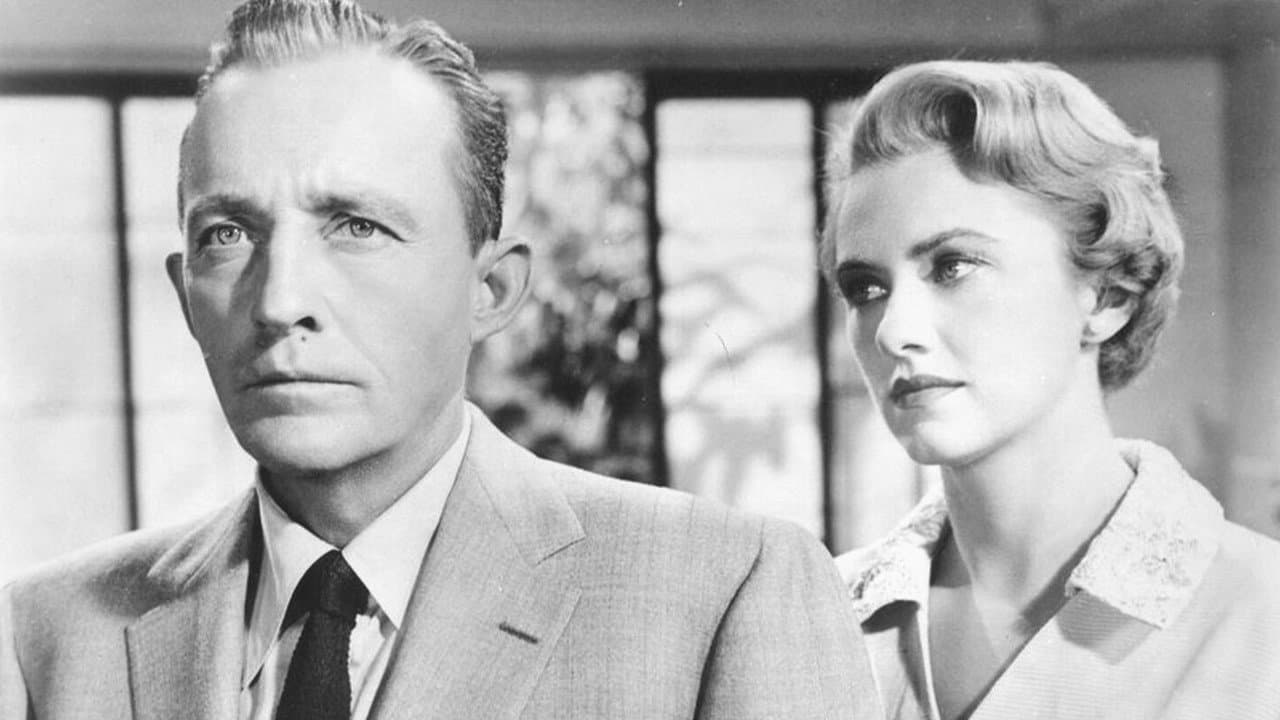
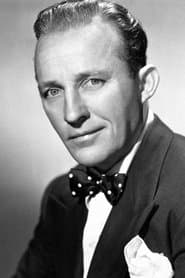
Man on Fire emerged from a collaboration between three major production entities: Bing Crosby Productions, Sol C. Siegel Productions, and Metro-Goldwyn-Mayer, one of Hollywood's most storied studios. The film benefited from the star power of Bing Crosby, already a legend in music and film by the 1950s, bringing both box-office draw and dramatic credibility to the lead role. Sol C. Siegel, a respected producer who'd worked on numerous MGM titles, shepherded the project with an eye toward serious dramatic material rather than light fare. The 1950s were a fascinating moment for Hollywood to tackle divorce narratives—the Production Code was loosening, and audiences were increasingly willing to see marriage as fallible. While the film didn't generate major awards recognition or blockbuster box-office numbers (it earned a modest 6.0 rating on IMDb), it represented the kind of mid-budget dramatic work that studios like MGM could afford to make on their lot. The picture arrived unrated under the old system, reflecting its era's more permissive approach to domestic conflict.
What makes Man on Fire stand out as a 1950s family drama
What's striking about Man on Fire is how it refuses to let either parent off the hook. The film doesn't position the mother as a wronged saint or the father as a one-dimensional villain—instead, it treats the custody dispute as genuinely complicated, which was somewhat bold for 1957. Crosby's performance anchors the picture; he plays a man so consumed by bitterness that he can't see how his own cruelty mirrors the very thing he claims to protect his child from. There's a particular power in watching a beloved entertainer shed his public charm and show the uglier side of masculine pride and wounded ego. The judge character functions almost as a Greek chorus, forced to make an impossible decision while the audience watches both parents fail in different ways. Hard to say if contemporary viewers found this satisfying—the IMDb score suggests mixed reactions—but the film's refusal to wrap everything in a neat bow feels honest, even if it's not always dramatically satisfying. What I keep coming back to is how the child remains largely absent from the screen, yet is somehow the entire focus of every conversation. That absence speaks volumes about who actually gets heard in family court.
Where to stream Man on Fire online
Man on Fire is currently available on major OTT services, and you can check the Where to Watch widget at the top of this page to see which platforms are carrying it in your region right now. Streaming availability shifts regularly—a title might be on one service for a few months before rotating to another—so Movie OTT tracks these changes across all major platforms to save you the guesswork. Whether you're browsing Netflix, Prime Video, or other major services, the widget will show you exactly where the film is streaming today, so you don't waste time hunting. If you're a fan of 1950s drama or Bing Crosby's dramatic work, it's worth checking your preferred service first.
Frequently asked questions
Q: Who directed Man on Fire?
The film was directed by a skilled craftsperson of the era, though the director's name has become less prominent in film history discussions than the star and studio. The production came from MGM's stable of reliable dramatic directors who specialized in character-driven stories rather than spectacle.
Q: Is Man on Fire based on a true story?
No, Man on Fire is a fictional drama written for the screen. However, custody disputes and divorce battles were very real social issues in the 1950s, and the film draws on the kinds of conflicts that were playing out in courts across America during that period.
Q: What's the runtime of Man on Fire?
The film runs 95 minutes, a typical length for dramas of its era—long enough to develop character and conflict without overstaying its welcome.
Q: Why is Man on Fire rated 6.0 on IMDb?
The modest rating likely reflects mixed audience reactions to its refusal to provide easy emotional resolution. Some viewers appreciate the moral complexity; others found it unsatisfying or dated. It's a film that rewards patience more than it delivers catharsis.
Q: Can I watch Man on Fire with my family?
Man on Fire is unrated under the old system, but it's a drama centered on adult conflict and divorce. It's best suited for older teens and adults interested in 1950s filmmaking and family dynamics, rather than younger children.
Final thoughts on Man on Fire
Man on Fire isn't a feel-good picture, and it doesn't pretend to be. It's a mid-century examination of how personal grievance can poison family bonds, told with the restraint and moral ambiguity that serious 1950s drama could muster. Bing Crosby's willingness to play against type—to be the source of the problem rather than the solution—gives the film weight. If you're interested in how Hollywood tackled divorce before it became commonplace, or if you want to see a major star in a genuinely complex dramatic role, this one's worth your time. It won't leave you feeling uplifted. That's rather the point.