








The Story of Mank: A Screenwriter's Reckoning in 1930s Hollywood
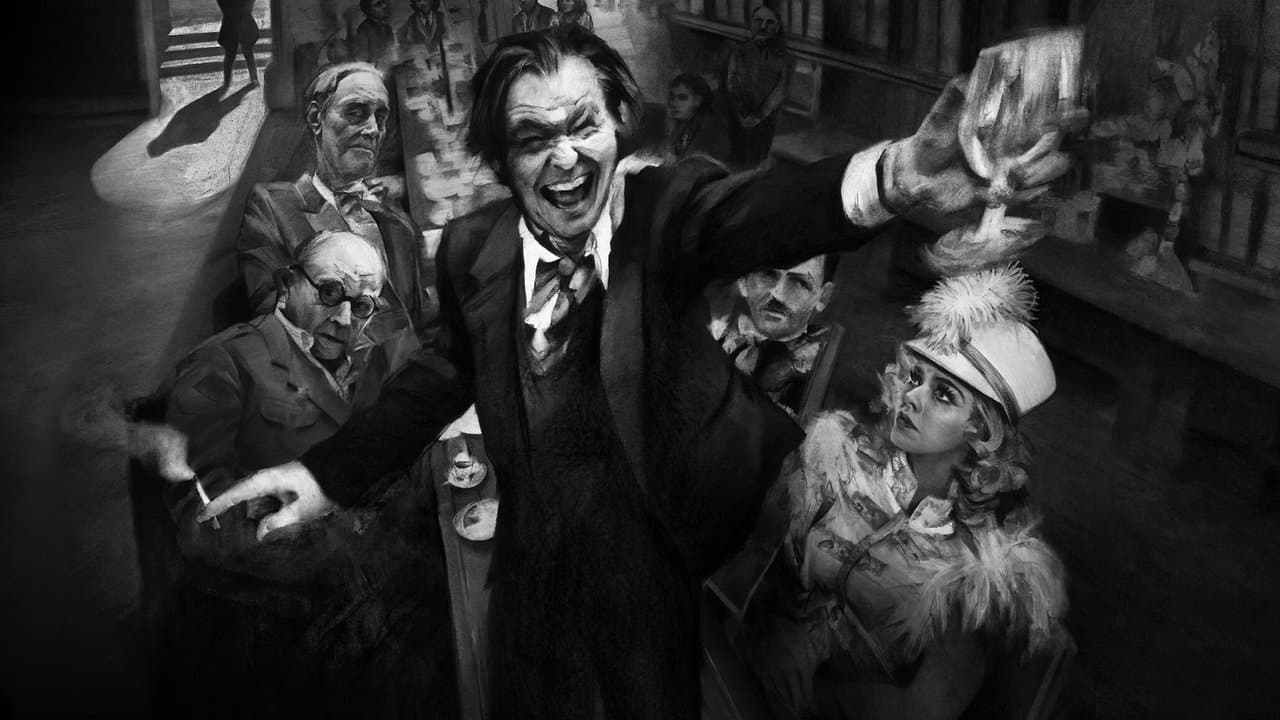
Mank unfolds across 1930s Hollywood through the fractured perspective of Herman J. Mankiewicz, a scathing social critic and screenwriter battling both the bottle and the studio machine. The film tracks his feverish race to finish the screenplay for Orson Welles's Citizen Kane—a project that would define cinema history—while Fincher's camera pulls back to examine the corruption, ego, and moral compromise that defined the era. What makes Mank distinctive isn't just its subject matter; it's the way the narrative refuses a straight chronological line, instead jumping between Mankiewicz's past and present, his triumphs and humiliations, building a portrait of a man caught between artistic integrity and commercial survival. The 1930s Hollywood backdrop isn't nostalgic window-dressing. It's a character itself—ruthless, seductive, and ultimately indifferent to talent.
Behind the Making of Mank: Fincher's Vision and Oldman's Performance
David Fincher directed Mank from a screenplay written by his late father, Jack Fincher, a project that carries the weight of personal history alongside its cinematic ambition. The film was produced by Ceán Chaffin, Douglas Urbanski, and Eric Roth, and released by Netflix International Pictures in 2020. Fincher's choice to shoot in black and white wasn't mere homage—it was a deliberate formal echo of the 1941 Citizen Kane itself, collapsing the distance between the film being made and the film about its making. Gary Oldman anchors the entire enterprise with a performance that's both physically ungainly and magnetically intelligent, capturing Mankiewicz's charm, self-destruction, and desperate wit. The supporting cast—Amanda Seyfried, Lily Collins, Arliss Howard, and Charles Dance among them—creates a constellation of studio power players and personal ghosts. Mank earned 65 wins and 270 nominations across major award bodies, including two Academy Awards, and holds a Metascore of 79 and an 83% Fresh rating on Rotten Tomatoes, though the IMDb community gave it a more measured 6.8/10. The R rating reflects not just language and drinking, but the film's unflinching view of Hollywood's sexual and moral corruption. At 132 minutes, it's a film that demands patience—and rewards it.
What Makes Mank Stand Out: Performance, Craft, and Controlled Fury
Here's what's striking about Mank: it doesn't feel like a traditional biopic. Most films about writers reduce them to their greatest work, but Fincher and Oldman insist on showing us the wreckage—the failed marriages, the studio humiliations, the booze-soaked mornings when inspiration feels like a luxury only the sober can afford. Oldman's Mankiewicz is funny, sure, but it's a bitter, self-aware humor that cuts both ways. When he delivers a scathing critique of the studio system or Hollywood's moral bankruptcy, you feel the sting because he's indicting himself too. The black-and-white cinematography does something subtle: it flattens the glamour we expect from old Hollywood and emphasizes instead the moral gray zones where everyone operates. What's remarkable is how the film refuses easy villains. William Randolph Hearst (played by Charles Dance) isn't a cartoon tyrant; he's a man defending his image. Louis B. Mayer isn't pure evil; he's a businessman protecting his investment. The thing nobody mentions is that this moral ambiguity—this refusal to let anyone off the hook, including Mankiewicz himself—is what makes the film continue to work on you long after it ends. Reviewers noted that Mank operates as a meticulous, subtle, ultimately furious film, one that grows in your mind hours after viewing. The non-linear structure mirrors Mankiewicz's own fragmented consciousness, jumping between decades and emotional states in ways that feel organic rather than gimmicky.
Where to Stream Mank Online
Mank is available across major OTT services, and the Movie OTT streaming widget at the top of this page will show you exactly where it's currently accessible in your region. Since Mank is a Netflix International Pictures production, it's a natural home on Netflix, though availability can shift by territory and subscription tier. If you're hunting for where to watch, Movie OTT tracks current streaming availability across Netflix and other major platforms, saving you the frustration of clicking through three different apps. The film's 132-minute runtime means you'll want to carve out a proper evening for it—this isn't background-watch material. The black-and-white format and dense dialogue demand your full attention, which makes streaming at home (where you control the sound and can pause to absorb a scene) actually ideal.
Frequently asked questions
Q: Is Mank based on a true story?
Yes. Mank dramatizes the real story of screenwriter Herman J. Mankiewicz and his role in writing Citizen Kane. While Fincher takes creative liberties with timelines and some character details, the core narrative—Mankiewicz's struggle with alcoholism, his relationship with the studio system, and his contribution to Kane's screenplay—is rooted in historical fact.
Q: Who directed Mank?
David Fincher directed Mank from a screenplay written by his late father, Jack Fincher. It's one of Fincher's most personal projects, marking a shift toward historical drama after his work on films like The Social Network and Gone Girl.
Q: Why is Mank in black and white?
Fincher shot Mank in black and white as a formal homage to Citizen Kane (1941) and to reflect the visual language of 1930s Hollywood cinema. The choice also strips away color distraction, forcing viewers to focus on performance, dialogue, and composition—fitting for a film about a screenwriter's words and ideas.
Q: Do I need to have seen Citizen Kane to understand Mank?
It helps, but it's not essential. Mank works as a standalone drama about ambition and authorship. That said, familiarity with Citizen Kane enriches the experience and adds layers of irony to how Fincher frames Mankiewicz's contribution to that masterpiece.
Q: What awards did Mank win?
Mank won two Academy Awards and earned 65 total wins across major award ceremonies, with 270 nominations. It holds a Metascore of 79 and an 83% Fresh rating on Rotten Tomatoes, indicating strong critical appreciation despite more mixed audience reception (6.8/10 on IMDb).
Final Thoughts on Mank
Mank isn't a comfortable film. It's deliberately paced, morally murky, and deeply invested in the idea that genius and self-destruction are sometimes inseparable. Gary Oldman's performance alone justifies the watch—it's the kind of acting that disappears into character while somehow remaining magnetic. If you're drawn to character-driven dramas, films about the creative process, or cinema that respects your intelligence enough to demand active viewing, Mank is essential. It won't feel like a victory lap through Hollywood history. It'll feel like a reckoning.