The Story of Masquerade Hotel
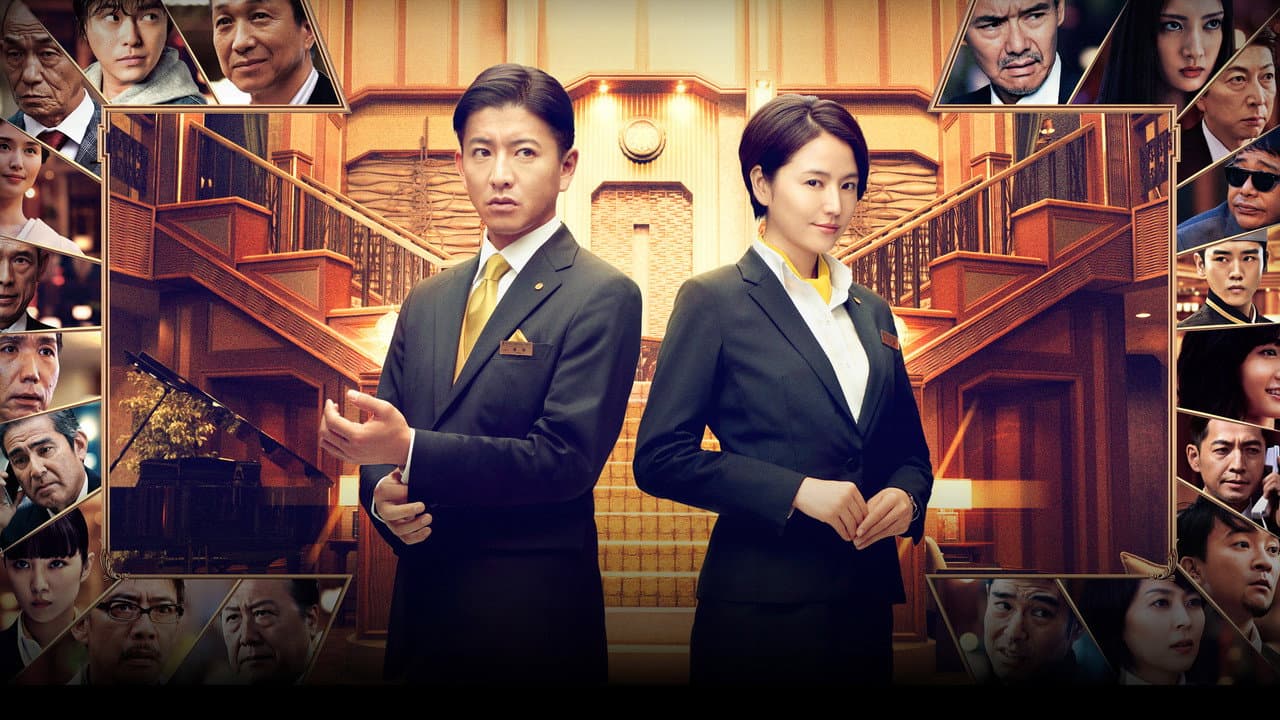
Masquerade Hotel opens on a chilling premise: a serial killer with a very specific ritual. After each murder, he leaves behind a GPS coordinate—a breadcrumb trail pointing to his next target. This time, the coordinates lead to Hotel Cortesia Tokyo, one of the city's most exclusive and prestigious establishments. What unfolds is a cat-and-mouse game played out in the gleaming corridors and opulent suites of a five-star hotel, where every guest could be either victim or killer, and trust becomes a luxury nobody can afford. The film's central tension hinges on a detective who goes undercover as hotel staff, transforming not just his appearance—a new haircut, altered manners, a completely rebuilt identity—but his entire way of moving through the world. It's a whodunit in the truest sense, layering murder mystery with the intimate geography of a hotel where secrets hide behind every polished door.
Production, Awards, and the Making of Masquerade Hotel
Masquerade Hotel is part of an established franchise, the Masquerade Hotel Collection, which gives it both the advantage of built-in audience recognition and the challenge of living up to earlier installments. Produced by TOHO, Fuji Television Network, Shueisha, J Storm, and Cine Bazar, it's a Japanese production that draws from the country's strong tradition of literary adaptations—the film is based on a novel, which means the source material came with its own devoted readers and expectations. The film clocked in at 133 minutes, giving the narrative room to breathe and the mystery genuine space to develop without rushing to resolution. While the film earned a 6.3 rating on IMDb from over 2,300 votes, it garnered one win and five nominations across various awards ceremonies, signaling that even if mainstream audiences were divided, industry recognition acknowledged its craft. The production values reflect the hotel setting itself: polished, meticulous, and built on precision. For those tracking releases across streaming platforms, Movie OTT maintains current availability across major services, so you can see exactly where this title landed in your region.
What Makes Masquerade Hotel Stand Out as a Crime Thriller
What's striking about Masquerade Hotel is how it uses the luxury hotel setting not just as backdrop but as a character in itself. The hotel becomes a maze—one where the detective must navigate both the physical architecture and the social hierarchies that govern who speaks to whom, who has access to which areas, and crucially, who would notice if someone didn't belong. The film taps into something primal about hotels: they're spaces where strangers intersect, where identities can be fluid, where a person can be anyone for a night. That's the perfect hunting ground for a killer who understands the power of disguise. The undercover detective's transformation isn't just a plot device; it's the emotional core of the story. He's not just pretending to be hotel staff—he's learning to think like them, to see the world through their eyes, to become invisible in plain sight. I keep coming back to how the film uses this premise to explore identity itself: if you can convincingly pretend to be someone else, at what point does the pretense become real? The performances anchor this tension, with actors inhabiting their roles in ways that make the mystery feel lived-in rather than merely constructed. The whodunit structure works because we're not just watching a detective solve a case; we're watching him lose himself in the process of becoming someone else, all while a killer operates under the same principle.
Where to Stream Masquerade Hotel Online
Masquerade Hotel is currently available on major OTT services, and the where-to-watch widget at the top of this page will show you the exact platforms streaming it in your territory right now. Since availability shifts frequently—especially for international titles like this Japanese production—Movie OTT tracks current streaming status across Netflix, Prime Video, and other major platforms, so you don't have to hunt across five different apps to find it. The 133-minute runtime means you'll want to carve out a solid evening, but it's the kind of film that rewards undivided attention. Depending on where you live, you might find it on a subscription service you already pay for, or it might require a rental. The widget makes that distinction clear, saving you the frustration of clicking through only to hit a paywall.
Frequently Asked Questions
Q: Is Masquerade Hotel based on a true story?
No, Masquerade Hotel is based on a novel, not a true crime case. That said, the premise—a killer leaving clues, a detective going undercover—draws on familiar crime-thriller tropes that feel grounded enough to seem plausible, even if the specific story is fictional.
Q: Who directed Masquerade Hotel?
The film was produced by major Japanese studios including TOHO and Fuji Television Network, reflecting the scale and ambition of the project. It's a franchise entry in the Masquerade Hotel Collection, so it carries the weight of earlier installments.
Q: How long is Masquerade Hotel?
The film runs 133 minutes, giving the mystery and character development substantial room to unfold without feeling rushed. That's two hours and thirteen minutes—plan accordingly if you're watching in one sitting.
Q: What genres does Masquerade Hotel fit into?
Masquerade Hotel is a crime mystery, specifically a whodunit that blends murder-mystery plotting with undercover-detective thriller elements. The luxury hotel setting and focus on disguise and identity add psychological depth to the procedural framework.
Q: Is Masquerade Hotel part of a series?
Yes—it's part of the Masquerade Hotel Collection, an established franchise. If you're new to the series, this film works as a standalone entry, though prior familiarity with the collection might deepen your appreciation.
Final Thoughts on Masquerade Hotel
Masquerade Hotel isn't a perfect film—the 6.3 IMDb rating reflects that it won't click for everyone—but it's a thoughtful, layered crime thriller that understands the power of setting and identity. If you're drawn to mysteries that don't just ask "who did it?" but also explore what it costs to hunt a killer, or if you appreciate Japanese crime cinema that takes its craft seriously, this is worth your time. The undercover premise gives it an angle that separates it from standard whodunits, and the hotel setting feels deliberately chosen rather than arbitrary. Stream it when you want a mystery that doesn't insult your intelligence and doesn't rush toward easy answers.