The Story of Matilda Wormwood
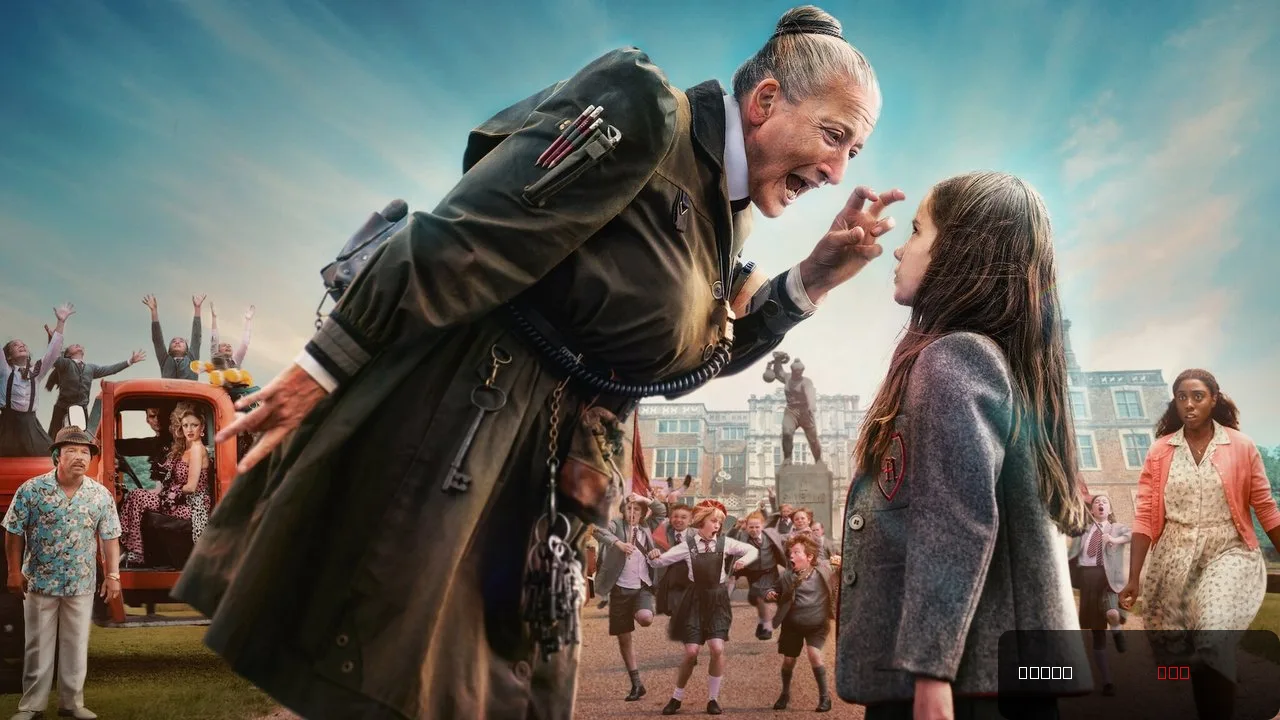
Matilda is the story of a girl born into a family that simply doesn't deserve her. Her parents are self-absorbed, her brother's a brat, and nobody—absolutely nobody—understands that she's a prodigy. She teaches herself to read before kindergarten, devours Dickens and Hemingway while her family watches trashy TV, and yet they treat her like she's the problem. Then she discovers something remarkable: she has psychokinetic powers. The ability to move objects with her mind. Rather than use this gift for revenge (though she's tempted), Matilda finds a better path—one that involves standing up to the people who've wronged her, especially the iron-fisted Principal Trunchbull, and protecting the one adult who actually sees her: her kind-hearted teacher, Miss Honey.
What makes the premise work isn't the supernatural element—it's how grounded the emotional core remains. Matilda's real superpower isn't telekinesis; it's her refusal to be broken by the adults around her. She doesn't get mad to get even. She gets smart.
Behind the Making of Matilda
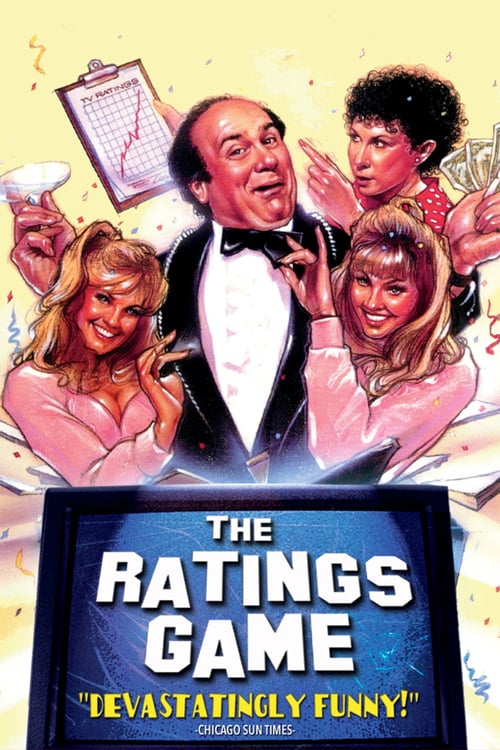
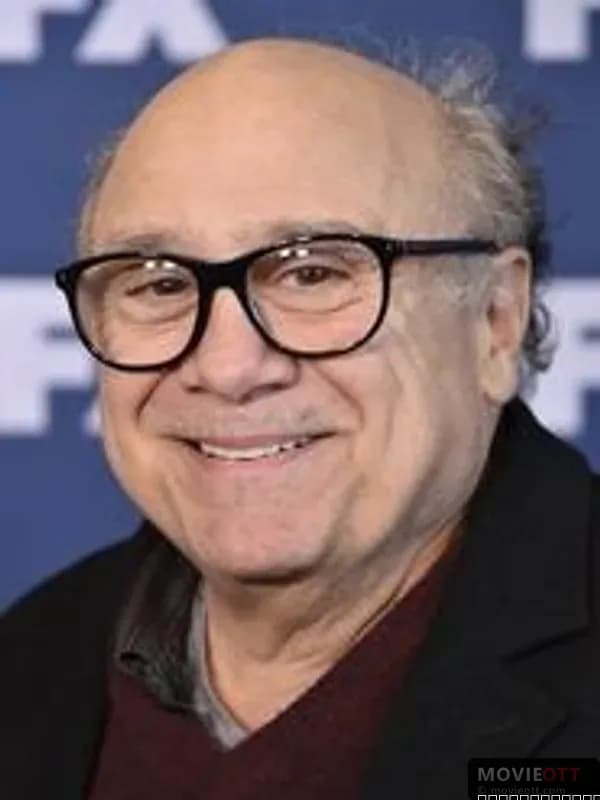
Danny DeVito didn't just direct this film—he also co-produced and starred in it, bringing his distinctive sensibility to Nicholas Kazan and Robin Swicord's screenplay, which adapted Roald Dahl's 1988 novel for the screen. DeVito's involvement was crucial. He understood that a children's film could be funny without being condescending, dark without being traumatizing, and genuinely moving without treacly sentiment.
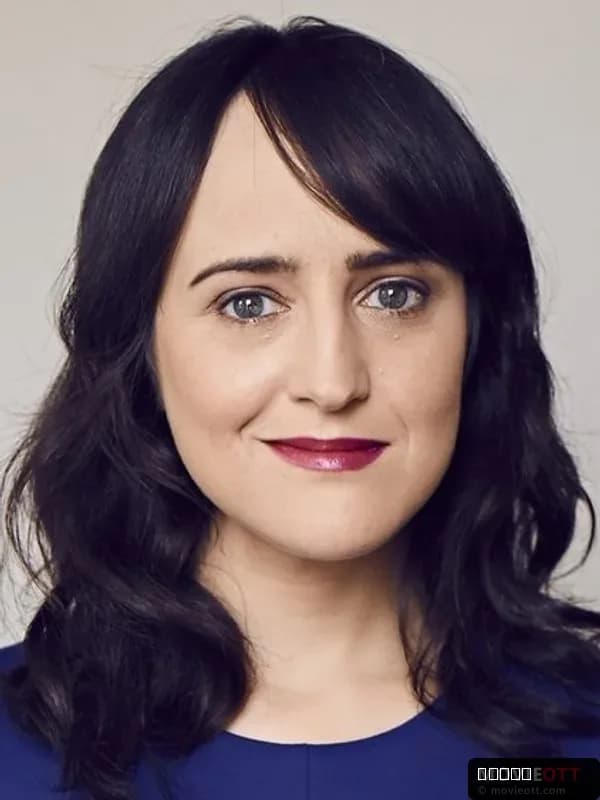
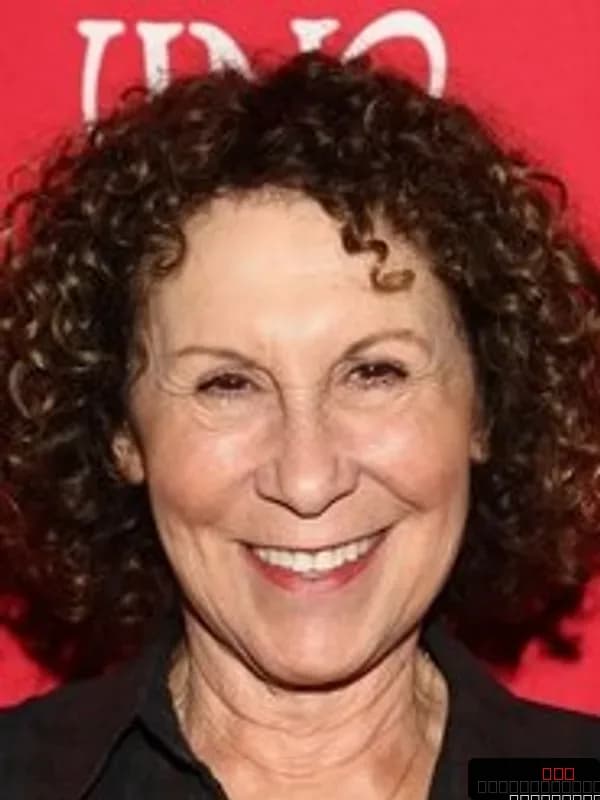
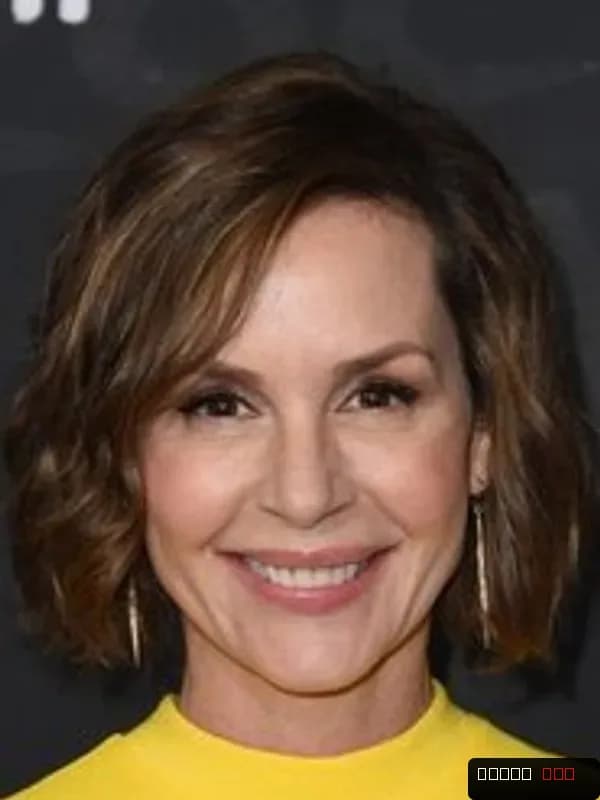
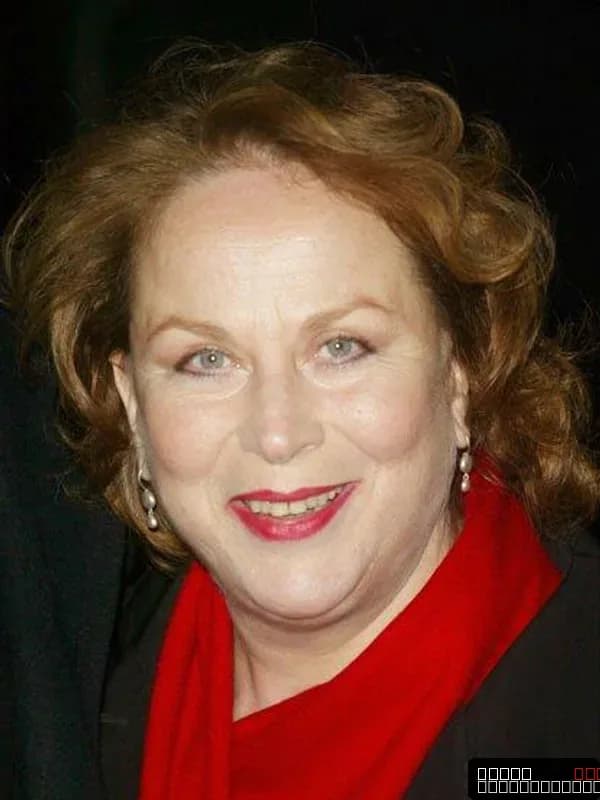
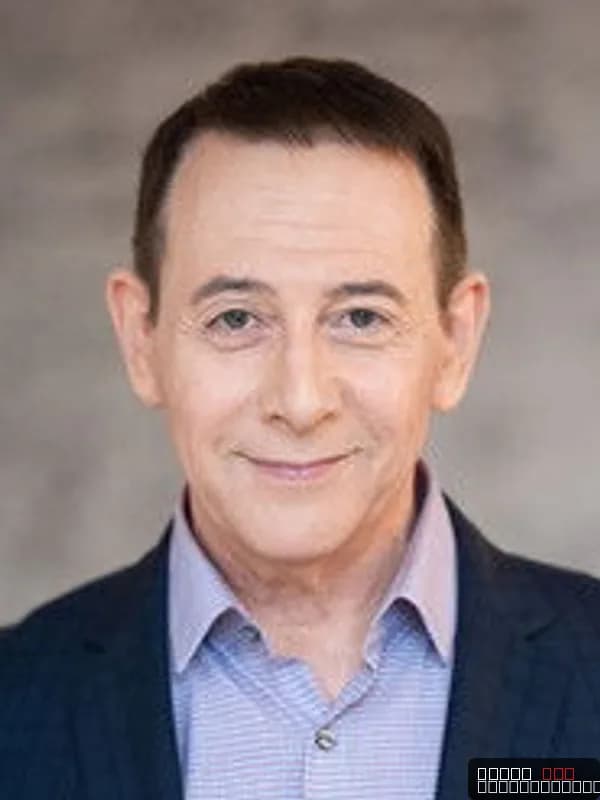
The casting proved inspired across the board. Mara Wilson, then a young television actress, delivered a performance that captured Matilda's intelligence and vulnerability in equal measure—no small feat for a child actor. Rhea Perlman brought warmth to the role of her mother, while Pam Ferris became iconic as the terrifying Principal Trunchbull (seriously, she's genuinely frightening in that role). Embeth Davidtz embodied Miss Honey's quiet strength, and Paul Reubens' appearance as the school's hapless headmaster added comic relief without undermining the film's stakes.
Released in 1996, Matilda earned $33.5 million at the domestic box office—solid for a family film of that era. The critical response was overwhelmingly positive: it holds a 92% Fresh rating on Rotten Tomatoes, a 72 Metascore, and a respectable 7/10 on IMDb from nearly 200,000 voters. The film earned three wins and seven nominations across various awards bodies, cementing its place in the 1990s family film canon.
What Makes Matilda Stand Out
Here's what's striking about Matilda: it respects its audience's intelligence. The film doesn't talk down to kids, and it doesn't shy away from depicting genuinely awful parenting. Matilda's parents aren't just neglectful—they're contemptuous of their daughter's love of reading, her curiosity, her very existence. That's not a small thing to put in a family film, and yet DeVito handles it with a lightness that keeps the tone from becoming unbearably dark.
The performances anchor everything. Wilson's Matilda is precocious without being insufferable, clever without being smug. There's a scene early on where she's reading alone in the library, and you can see in her face the pure joy of losing herself in a book—that's not written into the script, that's acting. DeVito himself is delightful as her father, a con-artist car salesman whose obliviousness reaches almost Shakespearean proportions. But it's Pam Ferris who steals the show. Principal Trunchbull is a grotesque figure—a former Olympic hammer-thrower who runs her school like a boot camp—yet Ferris never winks at the camera. She commits fully to the role, making the character both terrifying and, somehow, pitiful.
What nobody mentions is how the film works as social criticism wrapped in a fantasy-comedy package. Matilda's parents represent a particular kind of American anti-intellectualism: they value money and status over learning, dismissing their daughter's brilliance as showing off. The school system, embodied by Trunchbull, is authoritarian and punitive. Miss Honey represents the counterpoint—a teacher who sees her students as individuals, who believes in them, who makes a real difference. That's not a subtle message, but it doesn't need to be. It's delivered with such charm and humor that you don't feel like you're being lectured.
Where to Stream Matilda Online
Matilda is currently available on Prime Video, making it easy to revisit this '90s classic whenever the mood strikes. Movie OTT tracks where films are streaming across multiple platforms, and you can check the "Where to Watch" widget at the top of this page for the most current availability in your region. Since streaming rights shift periodically, it's worth verifying before you hit play—but as of now, Prime Video is your destination for this gem.
Frequently Asked Questions
Q: Is Matilda based on a book?
Yes. The film is an adaptation of Roald Dahl's 1988 novel of the same name. Dahl's original story has been beloved by readers for decades, and this film captures the spirit of the source material while making some creative adjustments for the screen.
Q: Who directed Matilda?
Danny DeVito directed the film, and he also co-produced it and appeared in a supporting role as Harry Wormwood, Matilda's father. His involvement shaped the film's unique tone and sensibility.
Q: What's the age rating for Matilda?
Matilda is rated PG, making it appropriate for most family viewing. There's some mild peril and the occasional scary moment (Principal Trunchbull can be genuinely frightening), but nothing graphic or inappropriate for older children and up.
Q: Does Matilda have supernatural powers in the movie?
Yes, Matilda develops psychokinetic abilities—the power to move objects with her mind—which she discovers and eventually uses to help her friend and teacher. The supernatural element is handled matter-of-factly within the film's logic.
Q: How long is Matilda?
The film runs 94 minutes, making it a lean, efficiently paced story that respects the viewer's time without feeling rushed.
Final Thoughts on Matilda
Matilda is the kind of film that doesn't get made anymore—a genuinely intelligent family comedy that trusts kids to understand nuance and adults to enjoy smart humor. It's warm without being saccharine, funny without being juvenile, and it has something real to say about the value of reading, kindness, and standing up for what's right. Watch it with your kids, or watch it alone and remember why you loved it in the first place. Either way, you're in for a treat.