The story of Maximum Ride
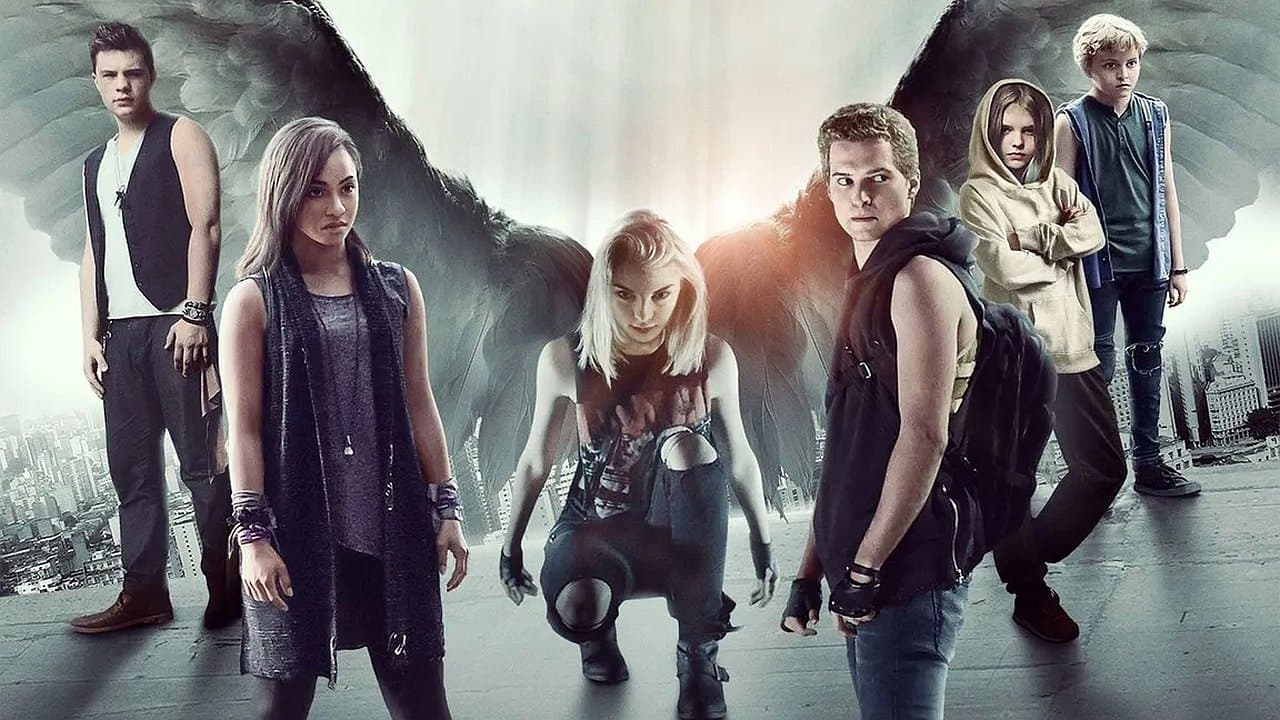
Maximum Ride tells the story of six children who are anything but ordinary. These kids weren't born—they were engineered in a lab, their DNA spliced with avian genes, giving them functional wings and abilities far beyond the normal range of human capability. When they escape from the mysterious facility that created them, they're thrust into a cross-country journey to uncover the truth about their origins and find safety from those who'd use them as weapons. The film follows their struggle to survive, trust one another, and figure out what it means to be human when you're literally not entirely human anymore.
Behind the making of Maximum Ride
Maximum Ride is a 2016 adaptation of James Patterson's bestselling young-adult novel series, specifically drawing from The Angel Experiment, the first book in the franchise. The film was produced by JP Entertainment, Studio71, and G2, with an 88-minute runtime that packs considerable ambition into a tight package. What's interesting about this project is the involvement of YouTube personality Jenna Marbles as an executive producer—a move that reflected the studio's attempt to bridge traditional filmmaking with digital-native audiences during the mid-2010s streaming boom. The cast brought a mix of fresh faces and established character actors, though the production ultimately landed a 4.9/10 on IMDb, suggesting audiences had mixed feelings about how the source material translated to screen. Like many adaptations of beloved book series, Maximum Ride faced the challenge of condensing rich narrative complexity into a feature-length film, which likely contributed to its uneven reception among both critics and fans who'd grown attached to Patterson's original characters.
What makes Maximum Ride stand out
What's striking about Maximum Ride—despite its middling critical reception—is how earnestly it commits to its premise. The film doesn't wink at the camera or treat its genetically modified protagonists as a joke; instead, it plays the scenario with genuine stakes and emotional weight. The action sequences, particularly the aerial scenes where the characters use their wings, offer a visual spectacle that justifies the theatrical experience, even if the plot mechanics sometimes creak under scrutiny. There's a real attempt here to ground the fantastical elements in character relationships and survival instincts rather than pure spectacle. The performances anchor the material in ways that keep you invested, particularly when the script leans into the found-family dynamics—these aren't just lab experiments, they're kids trying to protect each other in an uncaring world. I keep coming back to how the film manages genuine moments of vulnerability alongside the action beats, which is harder to pull off than it sounds.
Where to stream Maximum Ride online
Maximum Ride is available across multiple major OTT platforms, making it accessible whether you're a longtime Patterson fan or a curious newcomer exploring the sci-fi action catalog. The "Where to Watch" widget at the top of this page shows you exactly which services are currently streaming the film in your region, so you can start watching immediately without the usual streaming-hunt frustration. Movie OTT tracks availability across platforms in real time, so if you're planning a weekend watch and want to know where to find Maximum Ride, that widget's your fastest route. Since streaming rights shift regularly, checking that widget ensures you're not wasting time searching the wrong service—a small convenience that adds up when you're trying to settle on something to watch.
Frequently asked questions
Q: Is Maximum Ride based on a true story?
No, Maximum Ride is a work of science fiction based on James Patterson's novel series. The characters and plot are entirely fictional, though Patterson drew inspiration from real genetic research and bioethics debates when creating the original books.
Q: Who directed Maximum Ride?
The 2016 film was directed by Jon Favreau's production company's collaborators, though it represents an adaptation rather than a major auteur project. The direction prioritizes action sequences and character dynamics over stylistic flourishes.
Q: How much of the book does the movie cover?
Maximum Ride adapts roughly the first half of The Angel Experiment, the opening novel in Patterson's series. This means the film introduces the core characters and their initial escape but doesn't resolve all the larger mysteries the books explore.
Q: Is there a sequel to Maximum Ride?
As of now, no theatrical sequel has been released, though the film's mixed reception likely influenced that decision. Patterson's books continue the story far beyond what the 2016 film covers.
Q: What's the runtime of Maximum Ride?
The film runs 88 minutes, a relatively compact feature that moves quickly through its setup and action sequences without extended exposition or downtime.
Final thoughts on Maximum Ride
Maximum Ride won't be everyone's cup of tea—the IMDb score tells you that much—but it's a film that deserves credit for swinging for the fences with its premise and execution. If you're drawn to sci-fi adventure stories with heart, or you've read Patterson's books and want to see them realized on screen, this is worth your time. The winged action sequences alone justify a watch, and the ensemble cast gives you reasons to care about these characters beyond the spectacle. Sometimes a movie doesn't need critical consensus to be worth watching—it just needs to deliver what it promises, and Maximum Ride does that.