







The Loneliness at the Heart of May
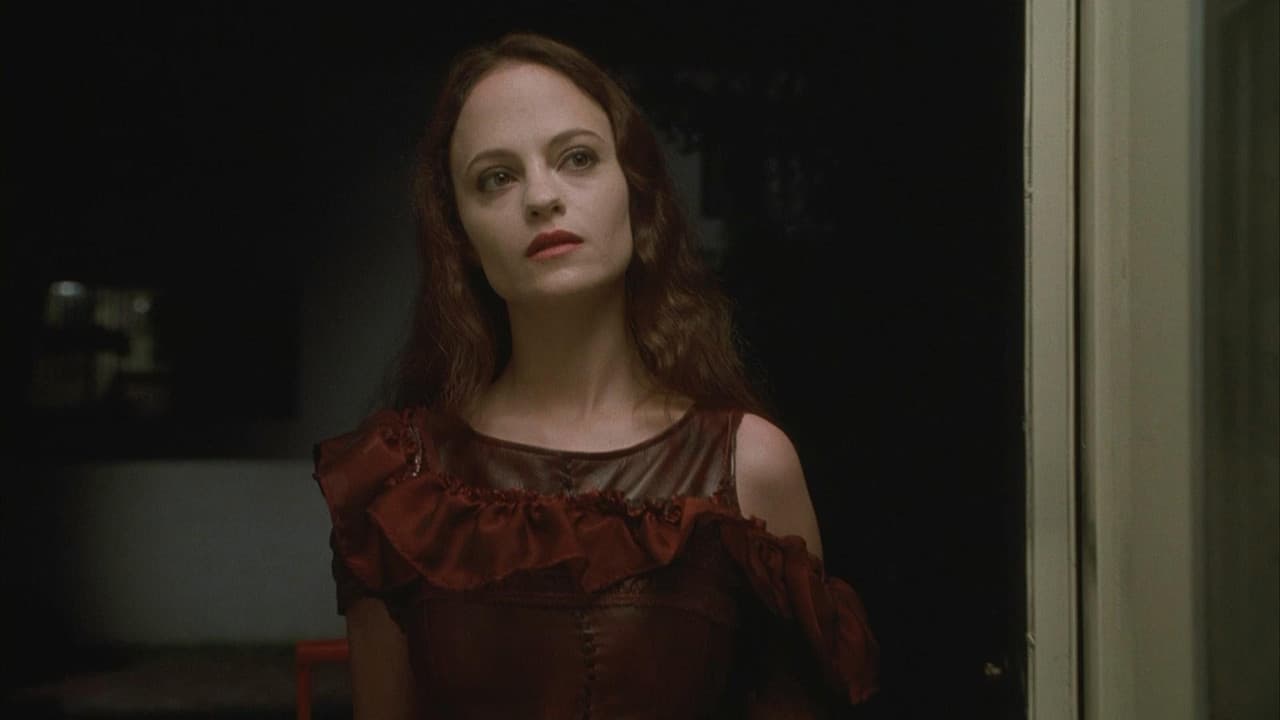
May is a film about isolation that doesn't look away. It follows a socially awkward veterinary assistant—played by Angela Bettis—who's spent her entire life on the margins, marked by a lazy eye and an almost pathological need for perfection in the people around her. When she develops an obsession with a boy's hands (Jeremy Sisto's character possesses what she sees as flawless ones), her already fragile grip on normalcy begins to crack. The tagline cuts right to the bone: "If you can't find a friend... make one." What that actually means, in the context of this film, is far more sinister than a cheerful sentiment about DIY friendship.
Written and directed by Lucky McKee in his feature directorial debut, May doesn't announce itself as a horror film right away—and that's part of what makes it so effective. The first half plays almost like a mumblecore character study, with awkward social encounters and cringe-inducing moments that feel uncomfortably real. You're watching someone try and fail to connect, again and again, until you realize the film's moving toward somewhere much darker. The 93-minute runtime never feels padded; McKee knows exactly when to shift gears.
Behind the Making of May and Its Critical Journey
McKee's directorial debut arrived in 2003 as a Loopy Productions release, emerging from relative obscurity to become something of a cult favorite among genre enthusiasts. The film didn't set the box office on fire—indie horror rarely does—but it earned recognition in festival circuits and among critics who appreciated its willingness to sit in discomfort. The IMDb community has rated it 6.572/10, a score that reflects its divisive nature; it's the kind of film that either grabs you or doesn't, with little middle ground.
Bettis, who'd appeared in television and smaller roles prior, delivers a career-defining performance here. She's neither sympathetic nor monstrous—she's human in ways that make the character's trajectory all the more unsettling. Jeremy Sisto, James Duval, Kevin Gage, and Anna Faris round out the cast, each playing characters who exist in May's orbit, sometimes unaware of the danger they represent simply by existing. The film's production design is deliberately mundane—fluorescent-lit offices, cramped apartments, ordinary streets—which makes the horror feel like it could happen anywhere. Movie OTT tracks where independent films like this one end up streaming, and May's availability across major platforms has introduced new audiences to McKee's work years after its initial release.
What Makes May Such an Unsettling Character Study
What's striking about May is how McKee refuses to let you off the hook with easy explanations. This isn't a film about a "crazy person"—it's about someone whose trauma, isolation, and perfectionism have created a prison she can't escape. Bettis's performance is the anchor; there's a scene early on where May sits alone in her apartment with her doll (a childhood possession she's kept), and the loneliness in that moment is almost unbearable. She doesn't overplay the character's oddness; instead, she underplays it, which makes everything feel more dangerous.
The horror doesn't come from jump scares or gore—though the film does venture into some genuinely disturbing territory in its final act. It comes from watching someone's grip on reality slip, from witnessing the moment when isolation tips into something pathological. The film treats its subject matter seriously without becoming preachy. You're not being lectured about mental health or loneliness; you're being forced to sit inside May's head and watch how her logic, twisted though it is, makes a kind of sense to her. That's harder to shake than any traditional scare. Critics and viewers who've engaged with the film on Movie OTT and other platforms often note that it's the character work, not the plot mechanics, that lingers.
The supporting cast matters too. Sisto's character represents everything May thinks she wants, and his scenes with her crackle with tension because we can see exactly what's happening—she's misreading every signal, every moment of kindness as something it isn't. Faris, in a smaller role, provides moments of genuine human connection that make May's inability to maintain relationships even more tragic. McKee's direction keeps things grounded; there's no stylistic flourish that distances you from what's happening.
Where to Stream May Online
May is currently available on major OTT streaming services. You can check the "Where to Watch" widget at the top of this page to see which platforms are carrying it in your region right now—availability shifts regularly, but the film tends to rotate through most major services. If you're hunting for it on Movie OTT, our streaming aggregator will show you exactly where to find it and whether it's included with your subscription or requires a rental. The accessibility of films like May through streaming has been crucial in building its cult reputation; it's no longer locked behind DVD scarcity.
Frequently asked questions
Q: Who directed May and is it based on a true story?
Lucky McKee wrote and directed May in 2003 as his feature directorial debut. It's not based on a true story, though its exploration of isolation and obsession draws on psychological realities that feel uncomfortably authentic. The film's power comes from its emotional truth rather than any specific real-world event.
Q: What's the runtime and rating of May?
May runs 93 minutes and contains mature content including violence and disturbing imagery. It's not a film for all audiences, and content warnings are worth checking before watching.
Q: Is May a horror film or a drama?
May blurs genre lines deliberately. It starts as a character-driven drama about social awkwardness and loneliness, then gradually shifts into psychological horror. It's categorized as drama, horror, and comedy, and the tonal shifts are part of what makes it distinctive—though "comedy" here refers to moments of dark humor rather than laughs.
Q: Where can I watch May right now?
May is available on major OTT platforms. Use the "Where to Watch" widget at the top of this page to see current availability in your region, or check Movie OTT for up-to-date streaming information.
Q: What makes May different from other indie horror films?
The film's refusal to judge its protagonist or offer easy explanations sets it apart. Rather than treating May as a villain or a victim, McKee presents her as a fully realized person whose trauma and isolation have led her down a dark path. It's character-first horror that prioritizes psychological discomfort over scares.
Final Thoughts on May
May isn't a comfortable watch, and it's not meant to be. It's a film that respects its audience enough to make them sit with something difficult—a portrait of loneliness so acute it becomes dangerous. Bettis's performance alone makes it worth seeking out, and McKee's directorial control never wavers. If you're looking for something that'll stay with you long after the credits roll, something that'll make you think twice about the isolated people you pass every day, May delivers. It's not for everyone. But for those it clicks with, it's unforgettable.