May 1st: A Short Film About Mental Health That Refuses Easy Answers
May 1st is a 2026 short drama from Pinkerton Films that follows a man struggling with mental health while the world—indifferent, relentless—keeps moving around him. It's not trying to inspire you. It's trying to show you something true.
Why This Short Matters — And Who Should Actually Watch It
The tagline says it all: "The world will keep moving, so should you." That's not motivation. It's almost a threat. Life doesn't pause for depression or the specific exhaustion of barely holding yourself together, and May 1st makes that discomfort its entire point.
What's striking is how the film avoids the usual mainstream shortcuts. There's no breakdown scene engineered for an awards clip. No third-act revelation that ties suffering into a lesson. The central themes—suicide, mental health, the grinding sadness of watching everyone else's ordinary Tuesday while you can't move—get handled with restraint that feels earned, not cowardly.
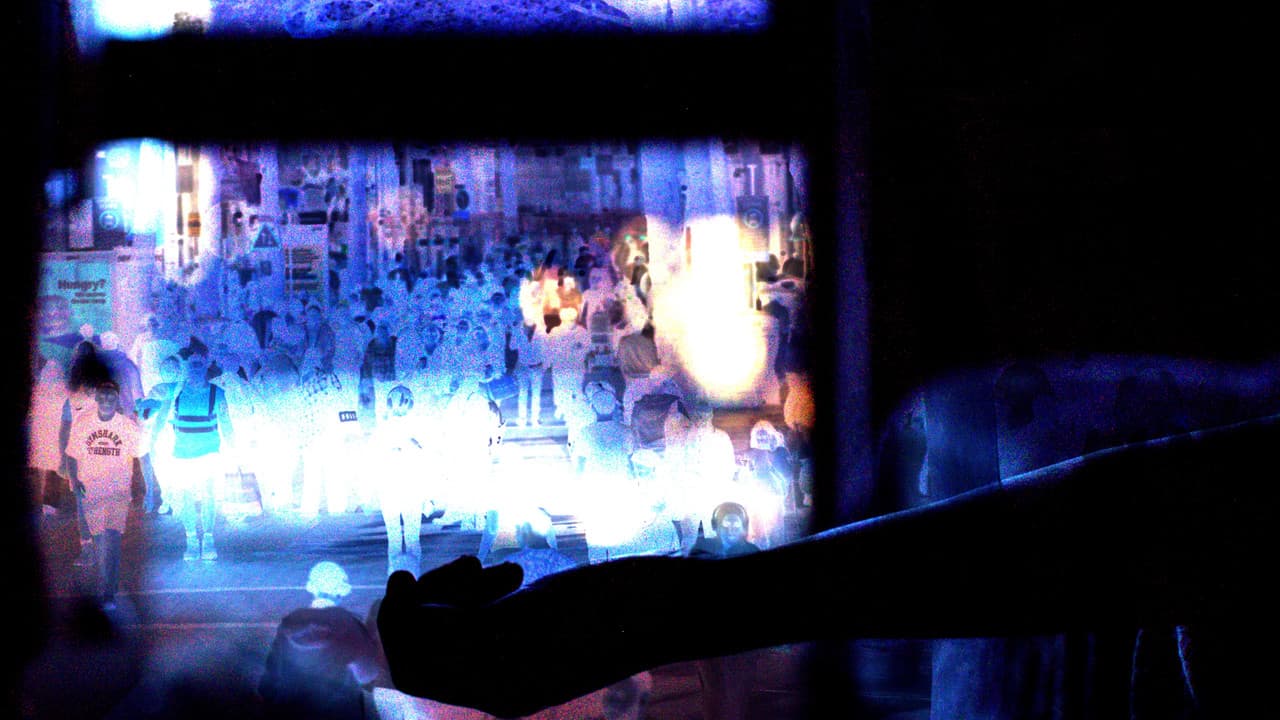
Here's the real tension: a man's internal stillness against the world's relentless external motion. Traffic. Conversations. Other people. The camera doesn't cut away quickly from these moments. It holds. That patience is the craft. And honestly, it works because the film trusts the audience to sit with discomfort instead of explaining it away.
Should you watch it? Only if you're ready for something that won't comfort you. If you've felt like the world was moving at a speed you couldn't match—and most of us have—there's something here that'll feel uncomfortably familiar.
Where to Stream May 1st Right Now
May 1st is available on major OTT platforms, though availability shifts depending on your region and licensing agreements. The fastest way to find where it's streaming tonight: check the where-to-watch widget at the top of this page, which updates in real time as platforms add or drop titles.
Movie OTT tracks exactly this kind of film—shorts and features that don't have major studio backing. Short-form drama tends to bounce around between services more than features do (licensing is cheaper and shorter-term), so it's worth bookmarking the page rather than assuming it'll be there next month.
If you're hunting for similar work, Movie OTT's mental health drama section surfaces other shorts and features that handle psychological struggle without looking away. Worth browsing if this one resonates.
What We Know About Production — And What's Deliberately Vague
Pinkerton Films made this as an intimate, deliberate project—the kind that gets made because someone needed to make it, not because a studio greenlit it for franchise potential. The cast and crew details haven't been widely publicized, which is either a conscious artistic choice or just the reality of small-scale independent production. Hard to say which.
The film arrived in 2026—a moment when conversations about mental health in cinema have gotten louder and, thankfully, more honest. Short-form drama is the natural home for this kind of story. Without ninety minutes to fill, you can hold a single emotional note and let it ring without explanation. You can end before comfort arrives.
Traditional metrics don't apply here. No opening-weekend gross. No Metascore. No MPAA rating in the usual sense. What matters is that the work found its audience through streaming platforms, which is increasingly where small-scale, honest work lands first and lands hardest.
Content Warnings and Who This Isn't For
The film directly engages with suicide and mental health as central themes. If these subjects distress you, approach with care. The tone is somber throughout—this isn't a film that softens its subject matter for accessibility. There's no resources hotline at the end (though if you're struggling, the 988 Suicide and Crisis Lifeline exists outside the film's runtime and actually helps).
Runtime is short—likely under thirty minutes, though the exact length varies depending on the platform. This works in the film's favor. It makes its point and leaves you with it.
Frequently Asked Questions
Q: Is May 1st based on a true story?
No confirmed real-life basis. It feels personal—the kind of specificity that suggests a writer drawing on lived experience—but Pinkerton Films hasn't publicly identified a direct autobiographical source.
Q: What's the basic plot?
A man navigates a mental health crisis while watching life continue without him. That's intentionally vague because the film's power is in the feeling, not the narrative arc.
Q: Does it have a happy ending?
No. It has an ending that feels earned. If you're looking for catharsis or resolution, this isn't that film.
Q: How does it compare to other mental health dramas?
Most films in this space try to make suffering intelligible—they explain depression, they resolve it, they tie it to plot. May 1st refuses all three. It's closer to the approach of short documentaries than conventional narrative drama. If you've seen experimental work around grief or psychological crisis, you'll recognize the strategy.
The Bottom Line
May 1st won't be for everyone—it's not supposed to be. It's small. It's precise. No wasted frames. No false comfort. Just an honest look at what it feels like when your mental health is failing and the calendar doesn't care.
Watch it when you're ready for it. Not before.