The Story of Maze Runner: The Death Cure
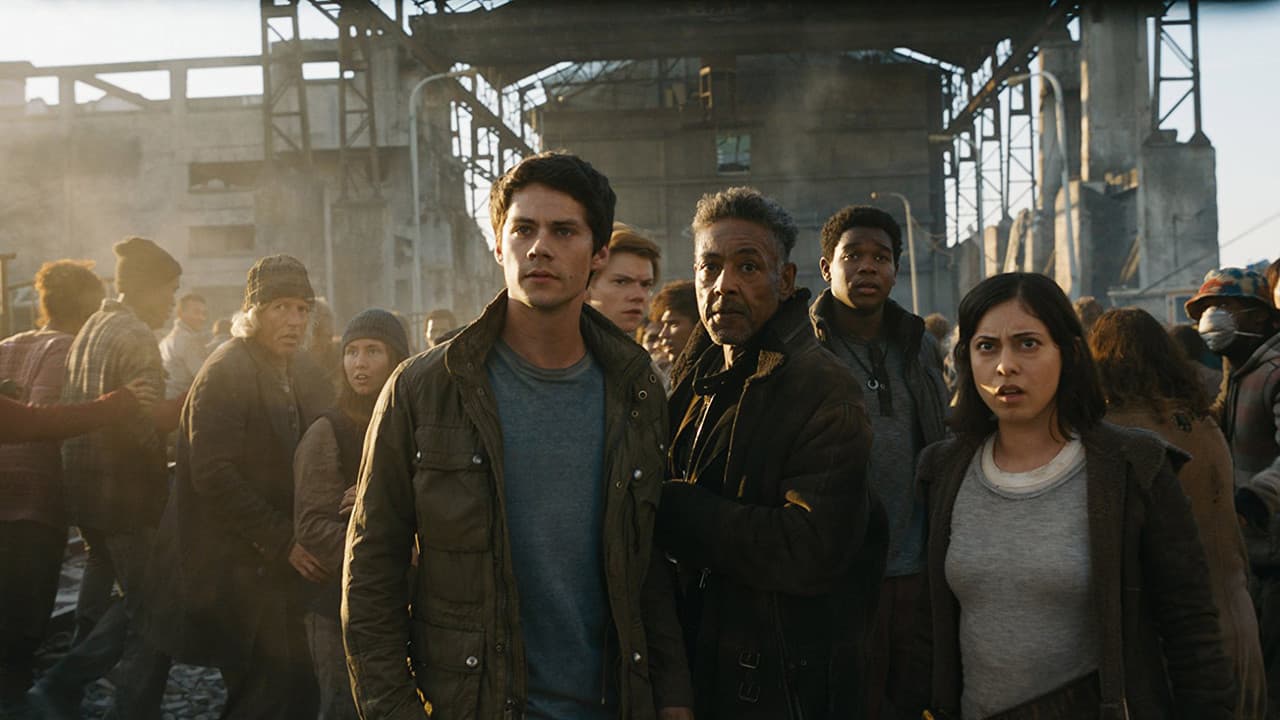
Maze Runner: The Death Cure picks up where the franchise left the Gladers—fractured, hunted, and desperate. Thomas leads his group of escaped survivors on their final and most dangerous mission yet. To save their friends still trapped under WCKD's control, they'll need to break into the legendary Last City itself, a labyrinth controlled by the very organization that's been experimenting on them since the beginning. It's not just another maze to solve. This one might be the deadliest yet. Anyone who makes it out alive gets the answers they've been demanding since they first woke up with no memory in that metal box. The stakes aren't theoretical anymore—they're personal, immediate, and existential. The tagline says it all: "The end will be WCKD."
Behind the Making of Maze Runner: The Death Cure
Director Wes Ball returned to helm this trilogy closer after steering the first two films, working from a screenplay by T.S. Nowlin adapted from James Dashner's 2011 novel of the same name. The production involved a serious ensemble: The Gotham Group, Temple Hill Entertainment, 20th Century Fox, Oddball Entertainment, and TSG Entertainment all collaborated to bring this post-apocalyptic conclusion to the screen. Released in January 2018 with a runtime of 143 minutes, the film carried a PG-13 rating, making it accessible to younger audiences while maintaining the franchise's intensity.
The cast remained largely intact from previous installments—Dylan O'Brien, Kaya Scodelario, Thomas Brodie-Sangster, Ki Hong Lee, and others reprised their roles, while Walton Goggins joined the ensemble. The film earned seven award nominations across various ceremonies, a respectable haul for a franchise conclusion. Box office performance landed at $58 million globally, which, while solid, reflected some audience fatigue with the series by this point. Critics were mixed: Metascore registered at 50/100, Rotten Tomatoes held it at 43% (Rotten), and IMDb users gave it 6.3/10 across nearly 190,000 votes. Not a clear winner, but not a disaster either.
What Makes Maze Runner: The Death Cure Stand Out
Here's what's striking about this finale: it doesn't waste time reintroducing characters or holding your hand through exposition. The film dives straight into action from scene one, which is either a strength or a weakness depending on your tolerance for breakneck pacing over character breathing room. Some viewers—and critics—felt this sacrificed emotional depth for momentum. One reviewer noted that while the fast-paced opening keeps energy high, it felt like a missed opportunity for the director to focus on story growth and deepening character attachments in the opening act. That tension between spectacle and intimacy runs through the entire film.
What doesn't get lost, though, is the thematic core: survival in a rigged system, the cost of resistance, and what it means to fight back against institutional evil. The film leans into these post-apocalyptic, imprisonment-and-escape themes that've anchored the series from the start. You'll see echoes of the mad-scientist trial-and-error mentality that's defined WCKD's operations, the terminal illness subplot that's haunted Thomas's arc, and the zombie-like infected wandering the Scorch. The performances—particularly from veteran actors like Giancarlo Esposito and Aidan Gillen—ground the dystopian spectacle in something human. It's not a perfect film, but it's genuinely trying to earn its conclusion.
How to Watch Maze Runner: The Death Cure Online
Maze Runner: The Death Cure is currently available across major OTT streaming platforms. Rather than hunting through multiple apps, Movie OTT tracks real-time availability across Netflix, Prime Video, and other major services, so you can see exactly where it's streaming right now in your region. The "Where to Watch" widget at the top of this page shows you every active platform carrying the film today—no guesswork required. Since streaming rights rotate, checking that widget before you hit play saves you the frustration of searching. The 143-minute runtime means you'll want to carve out an evening, but at least you'll know where to find it.
Frequently asked questions
Q: Is Maze Runner: The Death Cure based on a book?
Yes, it's adapted from James Dashner's 2011 novel The Death Cure, the third book in the Maze Runner series. T.S. Nowlin's screenplay closely follows the source material while making adjustments for film.
Q: Who directed Maze Runner: The Death Cure?
Wes Ball directed the film, returning after helming the first two Maze Runner movies. He brings visual consistency and an understanding of the franchise's tone throughout the trilogy.
Q: Do I need to watch the first two Maze Runner movies before this one?
Yes, absolutely. This is the third and final installment in the trilogy, and it assumes you're already familiar with the characters, the maze concept, and the WCKD organization from The Maze Runner (2014) and The Scorch Trials (2015).
Q: What's the runtime, and is it appropriate for kids?
The film runs 143 minutes and carries a PG-13 rating, so it's intended for ages 13 and up. Parents should know it contains action violence and some intense sequences.
Q: Why did critics give it mixed reviews?
While the film delivers on action and spectacle, critics felt it prioritized pace over character development and didn't fully resolve the confusion some viewers had about the franchise's mythology. IMDb users gave it 6.3/10, and Rotten Tomatoes scored it at 43% (Rotten).
Final Thoughts on Maze Runner: The Death Cure
Maze Runner: The Death Cure is a franchise conclusion that knows what it is—a high-octane, effects-driven finale more interested in explosive set pieces than quiet character moments. It's not going to win over skeptics who've checked out on the series, but it respects its core audience enough to deliver on the promise of a final confrontation with WCKD. If you've made it this far in the trilogy, you'll want to see how it ends. Whether that ending satisfies you depends on what you came for: answers, action, or something harder to pin down. Either way, it's worth the watch.