






Memorizu
A Quiet Film That Actually Earns Its Stillness
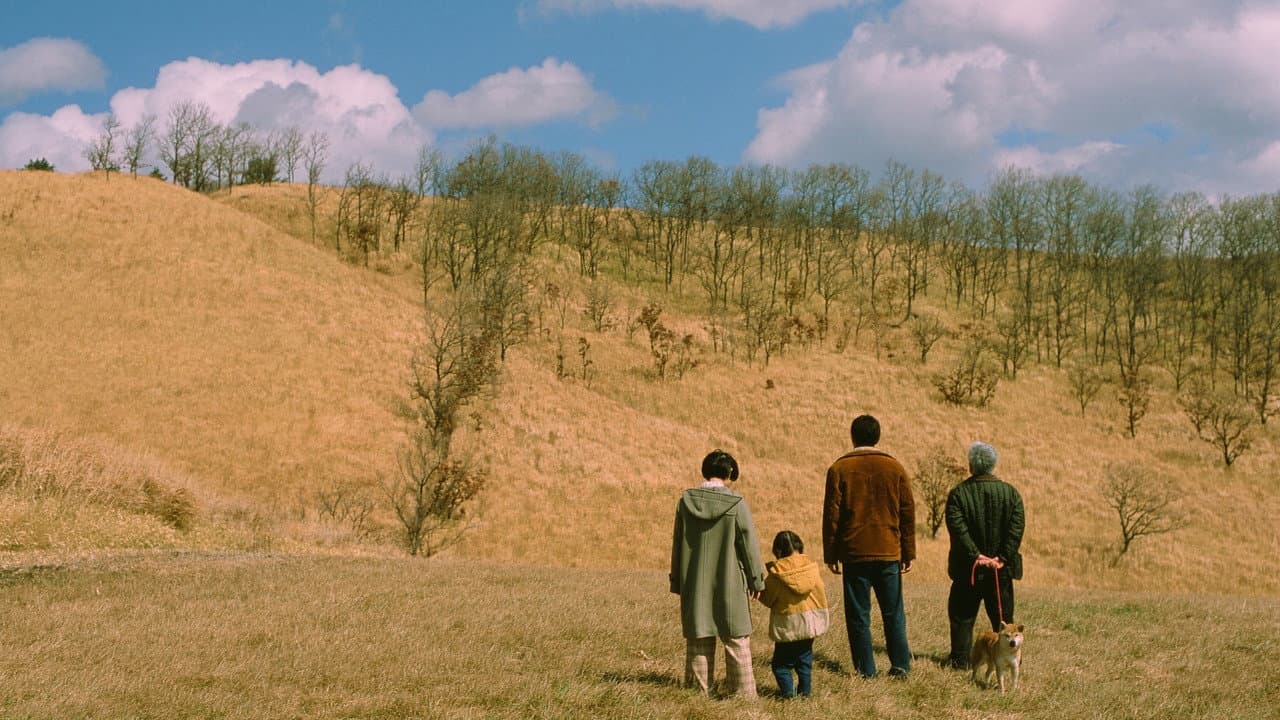
Memorizu is a 97-minute Japanese drama about a young Tokyo professional named Yuta who travels to rural Kyushu to care for his father-in-law Makoto after a fractured leg leaves him unable to manage alone. That's the entire premise. No heist. No murder. No ticking clock — just two men from different generations learning to share a small space while Yuta helps run Makoto's old photo studio, staying connected to his wife and daughter back home through phone calls and digital snapshots.
It sounds like nothing, and that's exactly the point.
The film world-premiered at Tribeca 2026 in the International Narrative Competition, which matters because that's a slot programmers don't hand out lightly. Writer-director Miiku Sakanishi made this as her debut feature, and watching it unfold you get the sense she knows exactly what she's doing — not a frame wasted on exposition the story doesn't need.
The Cast That Makes This Work
Tasuku Emoto plays Yuta with real restraint. He's not fumbling around like a fish out of water; he's just quietly uncomfortable, which feels far more honest. Issey Ogata — a veteran of Japanese stage and screen with decades behind him — brings the kind of lived-in specificity to Makoto that comes from actually understanding time and loss. Moeka Hoshi appears mostly through a phone screen as Yuki, and somehow those pixelated moments land as tender rather than gimmicky.
The casting choices matter because this is a film where subtlety does the heavy lifting. Broad performances would tank it instantly.
Why the Analog-vs.-Digital Thing Doesn't Feel Like a Lecture
Here's what's striking about Memorizu: it never makes you pick a side. Yuta's constantly photographing his daughter on his phone, sending his wife pictures of Kyushu sunsets — and the film doesn't punish him for that. Makoto's portrait work isn't positioned as morally superior. The film just holds both with equal curiosity, which is rarer than it sounds. Most films with this premise would've already decided that analog is good and digital is soulless, or vice versa. Memorizu refuses the lecture entirely.
There's a scene in the portrait studio — Makoto handling a developed print, turning it over with this careful, almost extinct reverence — that lands harder than any monologue could. That's the whole film in microcosm. Attention. Presence. The weight of a physical thing versus the warmth of a screen.
Critics have called it "wholesome" and "humble," which sounds faint-praised until you realize that's exactly what makes it work. The Movie Isle scored it 8/10. FilmCarnage called it "a wonderful debut" and "very pleasant viewing" — language that captures the film's actual register. This isn't trying to devastate you. It wants to sit with you.
Who Should Actually Watch This
If you connected with films like Shoplifters or Maborosi — slow-cinema dramas that trust you to find meaning in small moments — Memorizu is made for you. It's the kind of 97-minute film that sticks with you afterward, not because it shocked you but because it paid attention to something real.
That said: it's not for everyone. Some viewers will find it static. Others will find it meditative. There's no middle ground — you'll either want to sit with it or you won't.
Where to Watch & Current Availability
Memorizu is still working its way through the festival circuit as of early 2026, though distribution deals are likely coming. For current streaming options in your region, Movie OTT's where-to-watch tracker updates in real time — that's your best bet for finding where it's available right now, whether that's a rental, subscription service, or theatrical showing.
Festival films can pop up unexpectedly — hard to predict if a wide release comes before or after a digital premiere. Checking back on Movie OTT periodically makes sense if the film isn't yet available where you are.
Quick Reference
- Director / Writer: Miiku Sakanishi (debut feature)
- Cast: Tasuku Emoto, Issey Ogata, Moeka Hoshi
- Runtime: 97 minutes
- Language: Japanese
- Year: 2026
- Festival Premiere: Tribeca 2026 (International Narrative Competition)
- Rating: Not yet rated (general adult audiences based on early festival screenings)
FAQs
Q: Is it based on a true story?
No. Memorizu is an original screenplay. It feels grounded enough that some viewers assume it's adapted, but it's entirely Sakanishi's creation.
Q: How does it compare to other Japanese dramas?
It shares DNA with contemporary slow-cinema work — Shoplifters, Maborosi, even some of Hirokazu Koreeda's quieter pieces — but Sakanishi's voice is her own.
Q: Will it get a wider release?
Probably, though timing's uncertain. Tribeca selections typically land distribution deals, but festival films can take months to reach streaming or theaters.
Q: What's the film actually about beneath the plot?
Memory. Attention. The different ways generations document and hold onto moments. The gap between how you connect digitally and how you connect in a room together.
The thing nobody mentions about quiet films is how exhausting they can be to make work. Plenty of slow dramas mistake stillness for substance and lose you in the first fifteen minutes. Memorizu doesn't. It earns every second of its runtime, and that's the rare thing.