

The Story of Mickybo and Me
Mickybo and Me opens in 1970 Northern Ireland, a moment when childhood innocence collides head-on with sectarian violence. Two boys—from opposite sides of the divide—discover an unlikely bond over their shared obsession with Butch Cassidy and the Sundance Kid. It's a film that uses that Western as both escape hatch and mirror, reflecting how kids process the chaos around them through cinema. They don't just watch the film; they become it, imagining their own outlaw fantasy where the only law that matters is friendship. The 95-minute runtime moves briskly, never letting the weight of its setting crush the genuine warmth between its young leads. What starts as a simple story about two kids who want to run away to Australia becomes something far more tender—a meditation on how we survive our childhoods when the world around us is breaking apart.
Behind the Making of Mickybo and Me
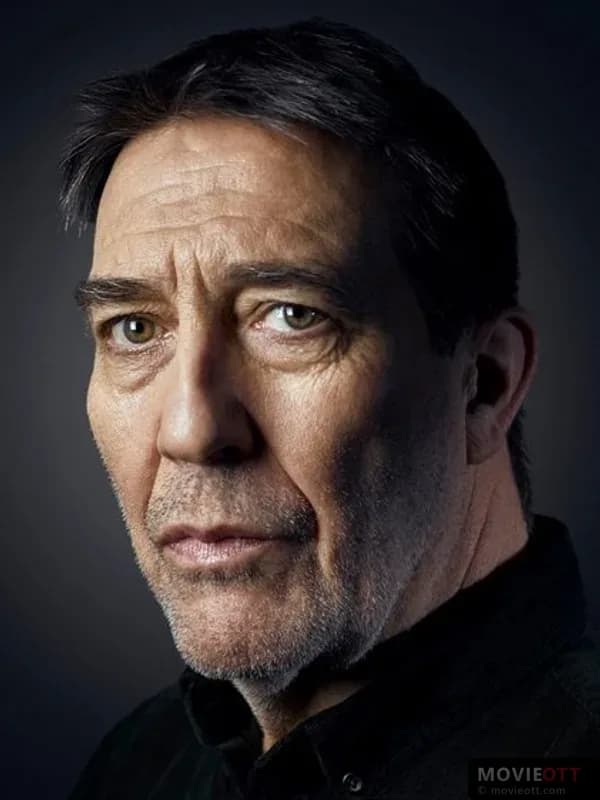
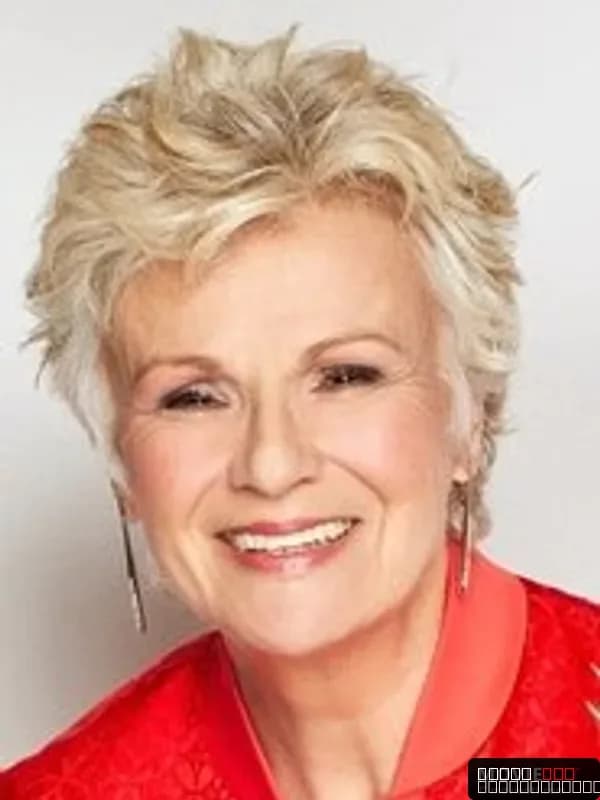
Mickybo and Me originated as a stage play called Mojo Mickybo by Owen McCafferty, and director Terry Loane brought that script to screen with care and specificity. Working Title Films produced the project, with Universal Pictures handling distribution—a significant vote of confidence for a small, regional film about Northern Irish youth. The cast assembled around the two young leads includes genuine heavyweight talent: Adrian Dunbar, Ciarán Hinds, Gina McKee, Julie Walters, and Susan Lynch all lend weight to the ensemble, grounding the boys' story in a world of complicated adults who are themselves struggling to navigate the Troubles. John Joe McNeill and Niall Wright, the young actors carrying the film, hold their own alongside these veterans—a testament to Loane's direction and the script's emotional clarity. The film premiered in 2005 and earned a respectable IMDb rating of 6.9/10, suggesting it found an appreciative if modest audience. It's the kind of film that doesn't always announce itself loudly, but when you find it—especially on Movie OTT, which tracks streaming availability across platforms—it tends to stay with you.
What Makes Mickybo and Me Stand Out
What's striking about Mickybo and Me is how it refuses to be either a heavy-handed political drama or a saccharine buddy film. Instead, it walks a genuinely difficult line: the boys' friendship is real and funny and alive, even as the world they inhabit is fragmenting. The film doesn't lecture about the Troubles—it shows how kids process them sideways, through jokes, through cinema, through the fantasy that you could just run away and start over. The performances from McNeill and Wright carry an authenticity that's hard to fake; you believe in their bond because they're not performing "friendship," they're living it. Julie Walters and Susan Lynch, in particular, bring nuance to their roles as mothers caught in impossible circumstances. There's a scene early on where the casual sectarian casual-ness of the world around them becomes clear, and it's all the more devastating because we're seeing it through the eyes of kids who don't yet fully understand what it means. The film's real gift is this: it trusts its audience to feel the tragedy without spelling it out. It's not trying to win you over with manipulation—it's just showing you two boys who love a Western and each other, and letting you sit with that.
Where to Stream Mickybo and Me Online
Mickybo and Me is currently available on Netflix, making it accessible to anyone with a subscription looking for something a bit different from the usual streaming catalog. The film works particularly well on a smaller screen—there's an intimacy to it that suits home viewing. If you're browsing Movie OTT, you'll find the Where to Watch widget at the top of this page, which lists every platform currently carrying the title, so you can jump straight to streaming without the runaround. Netflix's library tends to shuffle titles in and out, so it's worth checking availability in your region before settling in. The film's modest runtime (95 minutes) makes it an easy fit for a weeknight watch, and honestly, it's the kind of film that rewards rewatching—you'll catch different details the second time around, especially once you know where it's heading.
Frequently Asked Questions
Q: Who directed Mickybo and Me?
Terry Loane wrote and directed the film, adapting it from Owen McCafferty's stage play Mojo Mickybo. Loane brings a documentary-like clarity to the story, letting the emotional beats breathe without overselling them.
Q: Is Mickybo and Me based on a true story?
It's based on the stage play Mojo Mickybo by Owen McCafferty, which draws on real experiences of growing up in Northern Ireland during the Troubles, though the characters and specific narrative are fictional rather than autobiographical.
Q: What is Butch Cassidy and the Sundance Kid's role in the film?
The 1969 Western serves as the boys' obsession and escape fantasy—they don't just watch it, they live it, imagining they can run away to Australia like the film's outlaws. It's both a plot driver and a symbol of their desire to escape their divided world.
Q: Where can I watch Mickybo and Me right now?
The film is currently streaming on Netflix. Check the Where to Watch widget at the top of this page for the most up-to-date availability in your region.
Q: Who are the main cast members?
The two young leads are John Joe McNeill and Niall Wright, supported by a strong ensemble including Adrian Dunbar, Ciarán Hinds, Gina McKee, Julie Walters, and Susan Lynch in various roles as the adults in their lives.
Final Thoughts on Mickybo and Me
Mickybo and Me doesn't announce itself as important or groundbreaking. It's a modest film about two kids and a Western and the power of friendship to transcend the worst circumstances. That modesty is its strength. If you're looking for something that's both funny and heartbreaking—something that trusts you to read between the lines—this is worth your time. It's the kind of film that doesn't get remade or turned into a franchise, which makes it all the more valuable in a landscape increasingly dominated by IP. Catch it while it's on Netflix, and let it remind you why sometimes the best stories are the simplest ones, told with care and specificity.