






The Story of Midnight Diner
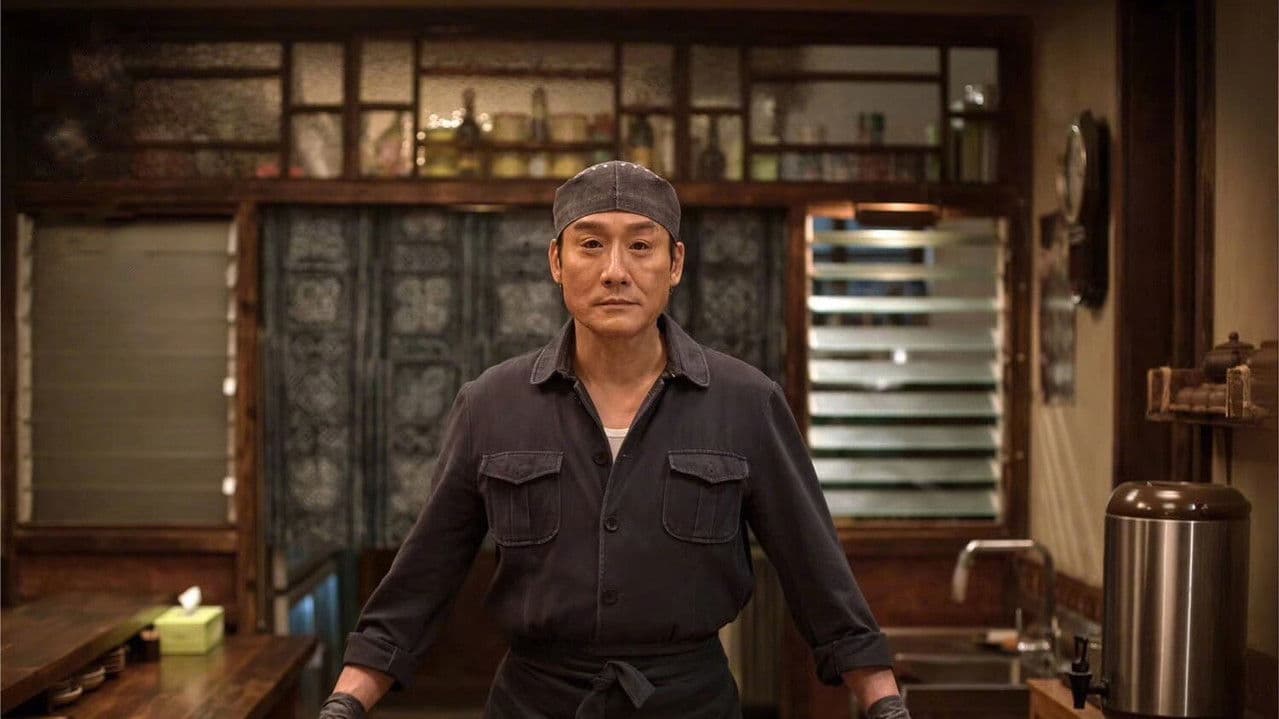
Midnight Diner follows a deceptively simple premise: when most people clock out and head home, the real evening is just beginning. At a small counter-only restaurant in Shanghai, a master chef opens his doors at the stroke of midnight and serves until seven in the morning. It's not a place for the breakfast crowd or the lunch rush. Instead, patrons drift in alone or in pairs—night-shift workers, insomniacs, people running from something or toward something, or maybe just hungry at an hour when most kitchens are dark. What they find isn't just food. The diner becomes a refuge, a confessional, a place where stories matter as much as the home cooking on the plate.
Behind the Making of Midnight Diner
Midnight Diner is a 2019 Chinese-language adaptation of Shin'ya Shokudō, the Japanese manga series by Yarō Abe that ran from 2006 to 2007 and captured readers with its intimate, slice-of-life storytelling. The property has proven remarkably adaptable across cultures—what resonates in Tokyo, it turns out, translates to Shanghai. Produced by 福星全亚文化传媒(上海)有限公司, the film had a modest theatrical footprint, earning just $18,555 at the box office, a figure that says far more about distribution strategy and market conditions than about the film's artistic merit.
The 103-minute runtime gives the narrative room to breathe without overstaying its welcome. There's no sprawling ensemble cast or A-list marquee names attached—instead, the focus remains on the diner itself and the quiet, unglamorous lives of those who find their way to it. That restraint is intentional. The film respects its source material's philosophy: ordinary people, extraordinary moments, no melodrama required.
What Makes Midnight Diner Stand Out
Here's the thing about adaptation: it's not about copying panels onto a screen. It's about capturing the feeling of the original work and making it live in a new place, a new language, a new time. What's striking about Midnight Diner is how it understands that the diner itself is the main character—not the chef, not any single customer, but the space where human need meets hospitality. The film doesn't rush. It sits with its characters the way a good listener sits with someone who needs to talk. A customer comes in, orders something simple, and by the end of the scene you've learned something about why they're awake at 3 a.m., why the world feels too loud, why they need this place.
The performances anchor the film in authenticity rather than theatricality. You won't see overwrought emotional beats or characters explaining their trauma in neat monologues. Instead, there's the subtle language of someone stirring their soup slowly, looking out the window, or the way a regular customer nods at the chef—a gesture that says "I'm glad you're here" without needing words. The cinematography captures Shanghai's nocturnal landscape with a kind of muted beauty. Neon reflections in wet streets. The particular loneliness of a city at 2 a.m. The way fluorescent light feels different when you're the only person awake.
I keep coming back to the fact that this film doesn't try to be bigger than it is. It's not chasing awards or viral moments. It's just trying to honor the small, true thing at its center: that food prepared with care, served without judgment, in the middle of the night, can mean everything to someone.
Where to Stream Midnight Diner Online
Midnight Diner is available across major OTT services—check the Where to Watch widget at the top of this page for current availability on your preferred platform. Streaming rights shift frequently, so if you don't see it on your go-to service today, it may arrive soon. Movie OTT tracks these changes in real time, making it easier to find where your films are actually streaming right now rather than hunting through six different apps. Since this is a 2019 release with modest theatrical distribution, it's found more of its audience through streaming platforms than it ever did in cinemas.
Frequently Asked Questions
Q: Is Midnight Diner based on a true story?
No, but it's based on the Japanese manga Shin'ya Shokudō by Yarō Abe. While the characters and stories are fictional, they're drawn from the kinds of real human moments that happen in late-night diners everywhere—the stories that unfold when the world is quiet and people let their guards down.
Q: Who directed Midnight Diner?
The film was produced by 福星全亚文化传媒(上海)有限公司 as a Chinese adaptation of the original manga. It's a Shanghai-set production that brings the manga's intimate sensibility to the screen.
Q: How long is Midnight Diner?
The film runs 103 minutes, which is a lean runtime that keeps the focus tight on the diner and its patrons without unnecessary padding.
Q: What's the IMDb rating for Midnight Diner?
The film holds a 5.4/10 rating on IMDb based on 281 votes. Ratings can be influenced by many factors—regional availability, audience expectations, and the challenge of adapting beloved source material across cultures—but Movie OTT recommends watching based on your own taste rather than relying solely on aggregate scores.
Q: Is Midnight Diner a drama?
Yes, it's classified as a drama. There's no action, no thriller elements, no genre gimmicks—just character-driven storytelling about ordinary people in an extraordinary space.
Final Thoughts on Midnight Diner
Midnight Diner won't be for everyone. If you're looking for plot twists or high stakes, look elsewhere. But if you've ever found yourself awake at an odd hour, hungry for something more than food, or if you believe that the smallest spaces can hold the largest human truths—then this film has something to say to you. It's a quiet recommendation for a quiet film, one that trusts its audience to find meaning in the spaces between words. Sometimes the best stories aren't the loudest ones.