The Story of Midnight's Children and Its Premise
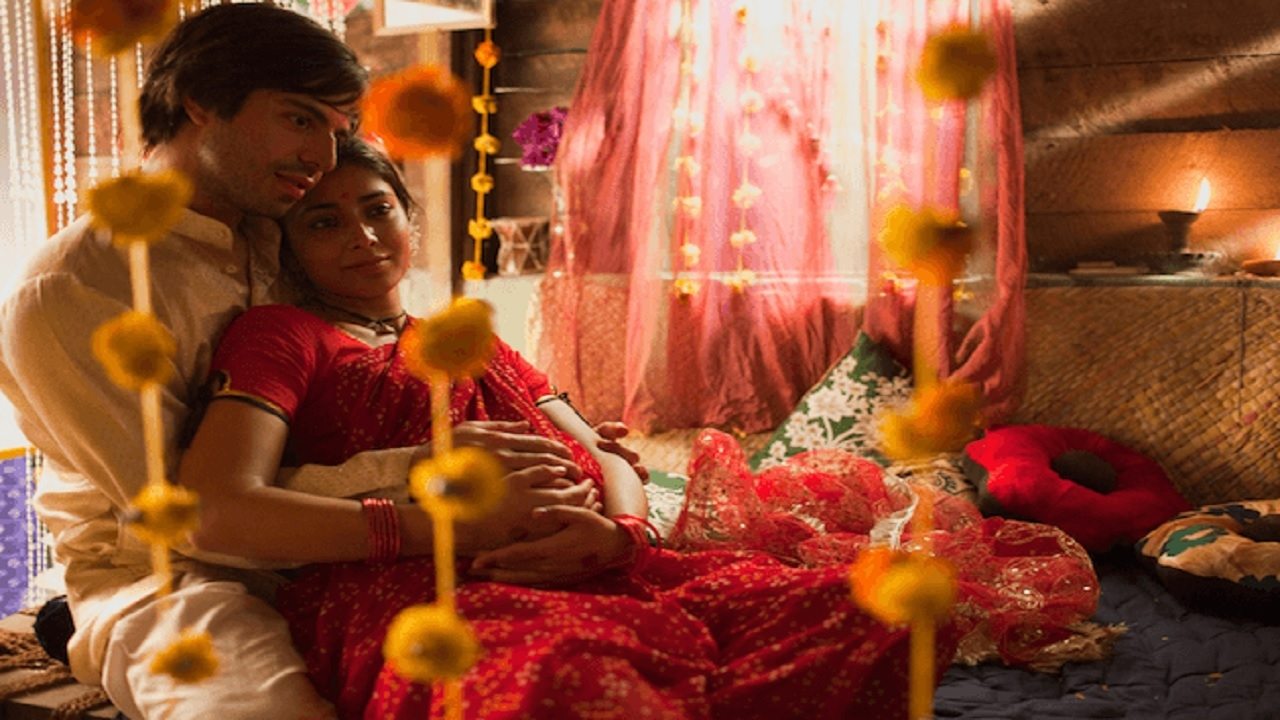
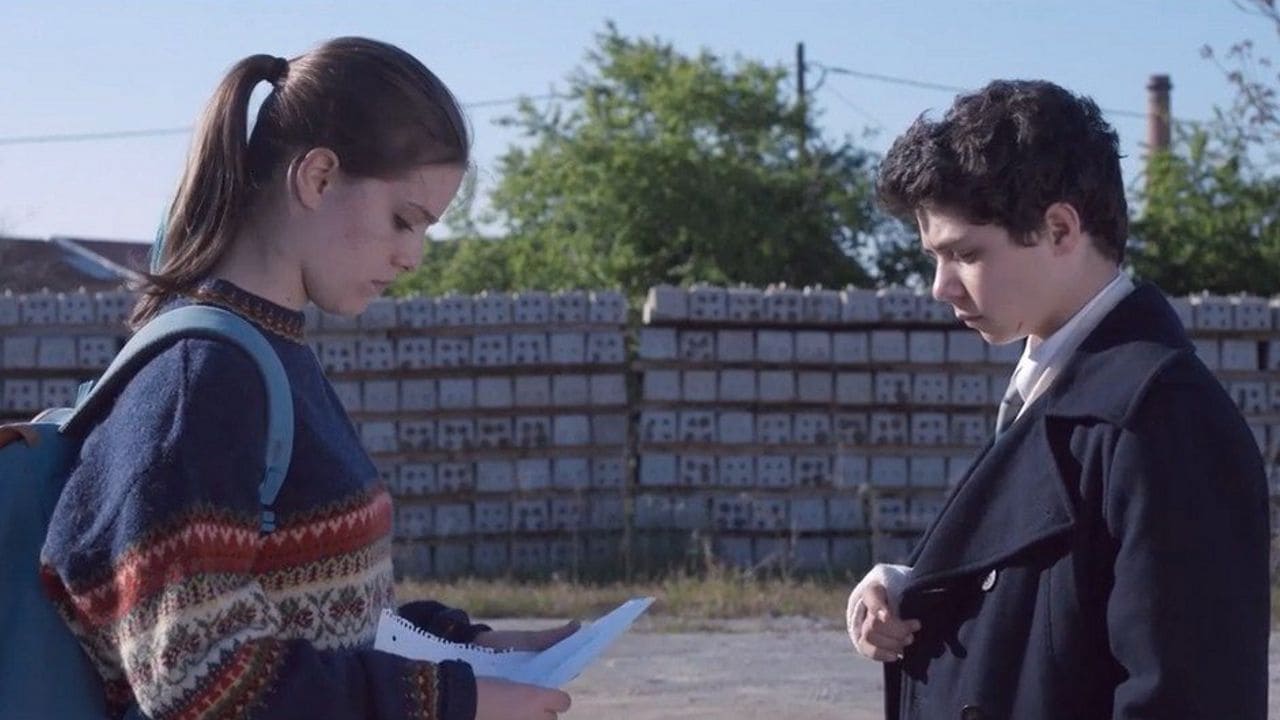
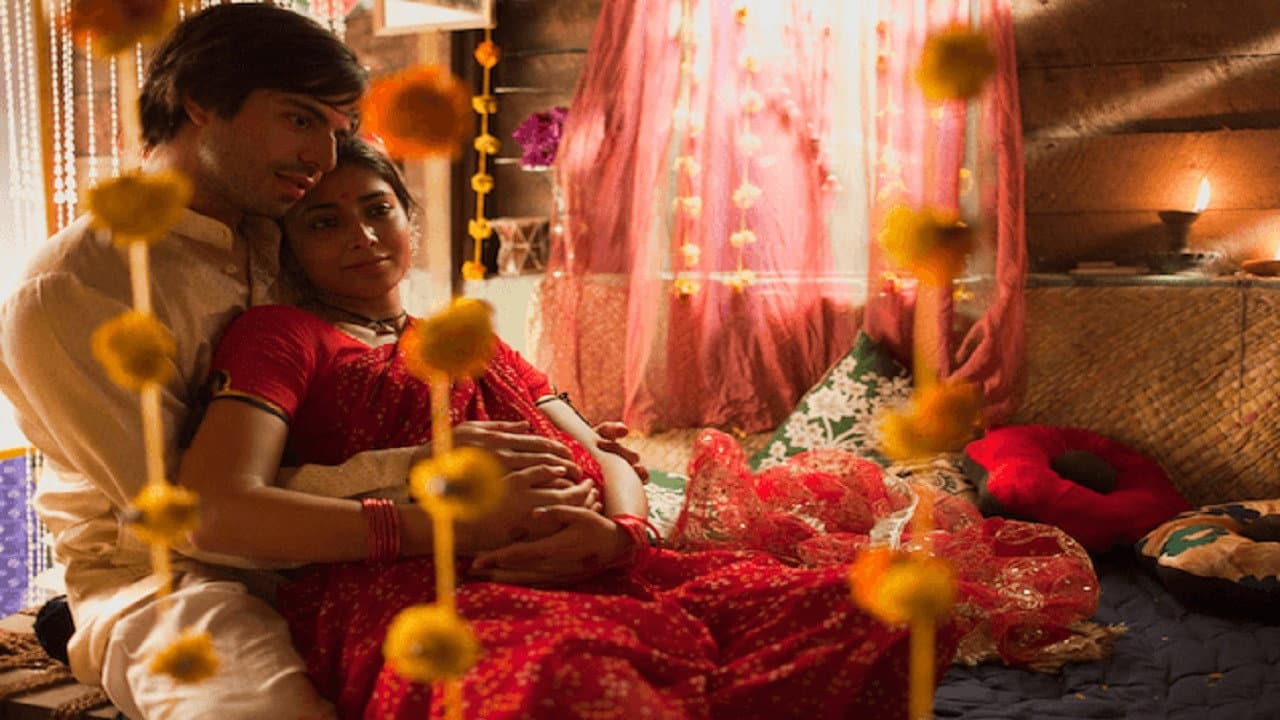
Midnight's Children tells the story of two children born within moments of each other on August 15, 1947—the precise instant India gained independence from British rule. These aren't ordinary births; they're intertwined with a nation's birth, and that synchronicity becomes the film's beating heart. What unfolds is a sweeping narrative that follows these characters as they grow up in a country that's nothing like the one their parents knew, grappling with the gap between the India of their parents' generation and the chaotic, hopeful nation taking shape around them. The film explores how personal identity and national identity become inseparable when you're born into such a pivotal historical moment. It's a story about belonging, displacement, and the strange magic that sometimes feels like it's written into your very existence.
Behind the Making of Midnight's Children
Adapting Salman Rushdie's 1981 novel—itself a landmark work of magical realism and postcolonial literature—was never going to be a straightforward undertaking. Deepa Mehta directed the film from a screenplay penned by Rushdie himself, which meant the author had a direct hand in translating his own sprawling, 600-page narrative to screen. Production began in February 2011 in Colombo, Sri Lanka, and wrapped by May of that year. Mehta kept the shoot deliberately secretive, a precaution driven by legitimate concerns about potential protests from Islamic fundamentalist groups—a reality that underscores just how politically charged Rushdie's work remains, even decades after publication.
The ensemble cast is genuinely impressive. Satya Bhabha, Shriya Saran, and Siddharth carry much of the narrative weight, supported by veteran Indian actors including Anupam Kher, Shabana Azmi, Kulbhushan Kharbanda, and Seema Biswas. Darsheel Safary, then known for his work in Taare Zameen Par, rounds out a cast that spans both Indian and international cinema. The film's budget and production scale reflect the ambition of the source material—this isn't a small indie adaptation, but a full-throated attempt to capture Rushdie's maximalist vision. That said, the film's box office performance was modest, and critical reception proved divided, with an IMDb rating of 5.4/10 suggesting that audiences and critics didn't always agree on whether Mehta's choices served the novel's complexity or flattened it.
What Makes Midnight's Children Stand Out as Adaptation
Here's the thing about adapting magical realism to film: the very techniques that make Rushdie's prose sing—digressions, metafictional asides, the narrator breaking the fourth wall—don't always translate cleanly to visual storytelling. What's striking is how Mehta leans into the visual spectacle of post-independence India rather than fighting against the medium's constraints. The performances, particularly from the younger cast members, carry an earnestness that grounds the more fantastical elements. There's a real effort to capture the disorientation of growing up in a newly independent nation—the euphoria and the chaos existing side by side, sometimes in the same frame.
What doesn't always work—and critics were quick to note this—is the film's runtime of 148 minutes, which somehow feels both too long and too rushed. You're watching a director trying to honor a densely layered novel while also making something that functions as cinema, not just a visual footnote to the text. That tension is visible. The film's strength lies in its commitment to India itself as a character: the streets of Mumbai, the texture of the partition era, the sensory overload of a nation in flux. It won't satisfy purists who wanted Rushdie's digressions intact, and it won't satisfy those seeking a straightforward historical drama. It's caught between two worlds—much like its protagonists, actually.
Where to Stream Midnight's Children Online
Midnight's Children is currently available on major OTT platforms, making it accessible to audiences worldwide without requiring a theatrical hunt. The film's streaming availability means you can experience Mehta's adaptation on your own time, which is perhaps fitting for a work that demands patience and attention. Movie OTT tracks current streaming availability across all major services, so you can check which platform has it in your region right now. Rather than guessing which service carries it, the Movie OTT widget at the top of this page shows you exactly where to watch—no subscription surprises, no dead links. Since streaming catalogs shift monthly, that widget is your best bet for up-to-date information.
Frequently asked questions
Q: Is Midnight's Children based on a true story?
Technically yes and no. While the film is set against the real historical backdrop of India's independence in 1947, the characters and their magical abilities are fictional creations from Salman Rushdie's novel. The novel blends magical realism with historical events—so it's grounded in real history but filtered through an imagined, fantastical lens.
Q: Who directed Midnight's Children?
Deepa Mehta directed the film, working from a screenplay written by Salman Rushdie himself. Mehta is known for her bold, visually ambitious films, and she brought that sensibility to this adaptation of one of postcolonial literature's most celebrated novels.
Q: Do I need to read the novel before watching Midnight's Children?
Not necessarily, though reading Rushdie's book will deepen your appreciation of what Mehta is attempting. The film works as a standalone drama, but the novel's digressions and metafictional playfulness add layers that a 148-minute film simply can't capture.
Q: How long is Midnight's Children?
The film runs 148 minutes—just under two and a half hours. That's a significant commitment, but it's necessary given the scope of the story and the number of characters and historical events the narrative covers.
Q: What's the IMDb rating for Midnight's Children?
The film holds a 5.4/10 rating on IMDb, reflecting mixed audience reception. Critical reviews were similarly divided, with some praising Mehta's visual approach and others finding the adaptation too sprawling or unfaithful to the source material's spirit.
Final Thoughts on Midnight's Children
Midnight's Children is a film that swings for the fences. It doesn't always connect, but the ambition alone deserves respect. If you're drawn to postcolonial narratives, Indian cinema, or the challenge of seeing how literary works translate to screen, this is worth your time. It's the kind of film that sticks with you not because it's perfect, but because it's genuinely trying to do something difficult—to capture the magic and mess of a nation being born while following characters caught in that same moment of becoming. Not every viewer will connect with it, and that's okay.