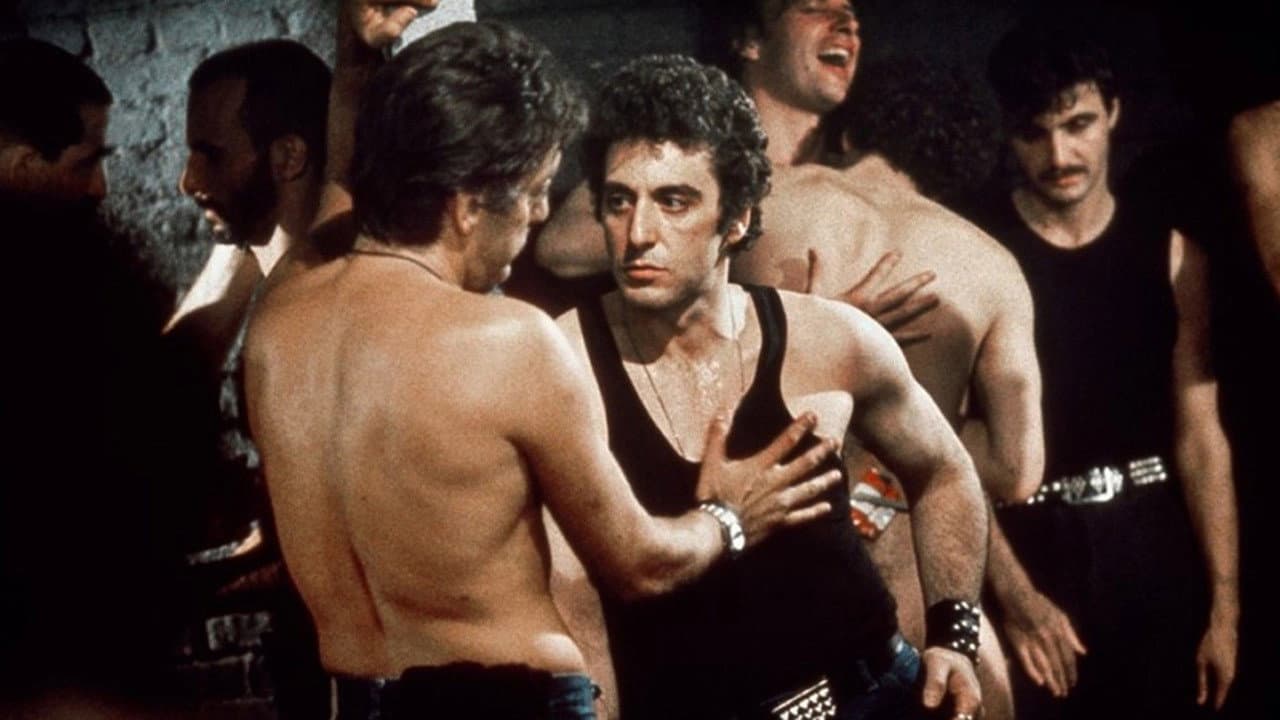
Mineshaft: The Cruising Murders — A Documentary That Won't Let a Real Murder Stay Forgotten
2026 | Documentary | 85 minutes | Directed by Jeffrey Schwarz
Here's what you need to know upfront: Mineshaft: The Cruising Murders is a 2026 documentary that examines how William Friedkin's 1980 thriller Cruising borrowed real tragedy — specifically the murder of Variety film critic Addison Verrill — without ever fully acknowledging the debt. The film premiered at Frameline50 in San Francisco and screened at the 2026 Tribeca Festival, and it's currently tracking through festival windows with no wide theatrical release announced yet.
It's not a comfortable watch. But it's essential if you care about how cinema can cannibalize true suffering.
What the documentary actually does differently from typical true crime
Most true crime docs reach for the same toolkit: ominous drone shots, re-enactments with shadowy actors, a narrator who whispers about "the dark underbelly." Mineshaft refuses all of that.
Director Jeffrey Schwarz keeps the camera on human cost instead — the men who died in 1970s New York leather bars, the community that was surveilled and stigmatized, the reporter whose name most people can't place even though his murder became the seed of a major studio film. The film's power comes from insisting on specificity: Addison Verrill wasn't just "a murder victim." He was a film critic, a gay man, a person with a name and a career.
What strikes me is how deliberately Schwarz sidesteps sensationalism. He's doing something genuinely difficult — treating the leather bar world of 1970s New York as a real community with its own culture and politics, not as a lurid backdrop for violence. The 85-minute runtime doesn't overstay its welcome, and the editing moves between archival footage, interviews, and period documentation without losing the thread.
There's a central moral question the film keeps returning to: when does a filmmaker's inspiration become a debt owed to the real people behind the story? Mineshaft doesn't answer that neatly. But it asks with real force.
How the 1980 protests and the making of Cruising connect to these murders
Friedkin's Cruising didn't arrive in a vacuum. The film drew inspiration from actual serial killings targeting gay men in New York during the 1970s — and specifically from the brutal murder of Addison Verrill. When Friedkin began shooting Cruising in New York in 1980, the LGBTQ+ community exploded.
The protests were massive. Fierce. They became a landmark moment in queer activist history — the kind of direct action that shaped how Hollywood would (or wouldn't) listen to marginalized communities for decades after. Mineshaft treats those protests with the seriousness they deserve, not as a footnote to the film's reception but as a crucial response to what was actually at stake.
I keep thinking about the contradiction here: Friedkin drew inspiration from real murders of real gay men, made a film that the LGBTQ+ community protested as exploitative and harmful, and the protests themselves became absorbed into the Cruising legend. The documentary excavates that tangle. It doesn't let anyone off easy — not Friedkin, not the studios, not the culture that allowed fiction to cannibalize tragedy without acknowledgment.
Where to actually watch this and what to expect from the distribution window
Right now, Mineshaft: The Cruising Murders sits in festival-only territory. No wide theatrical release. No streaming deal officially announced as of this writing. That could change after Tribeca — major distributors are watching — but there's no confirmed date yet.
Movie OTT tracks streaming availability across platforms in real time, so if you bookmark the page, you'll get an alert the moment a deal is confirmed. These festival documentaries sometimes land on specialty platforms like MUBI or Criterion before appearing elsewhere. Sometimes they premiere on a general service like Netflix or Apple TV+. The where-to-watch widget on Movie OTT updates as soon as distribution is confirmed, so checking there beats refreshing IMDb every week.
If you're in the San Francisco area, Frameline50 has already screened it. If you're near New York, Tribeca's early June screenings are your best bet before the wider window opens.
Here's the thing: This isn't the kind of documentary that gets lost in the shuffle. The Frameline Completion Fund backing signals serious institutional support (they fund LGBTQ+ documentaries and narrative projects at the stage when most stall). That matters. It means the filmmakers had resources to do the work properly, and it means the film is positioned as preservation, not exploitation.
If you watched Cruising and always felt something was missing
You're not wrong. Mineshaft is the missing context.
The 1980 Cruising exists in its own bubble — a contested film that defenders call brave and critics called irresponsible. This documentary doesn't settle that argument. Instead, it does something harder: it insists that Addison Verrill, the men murdered in those bars, and the community that protested Cruising's release aren't supporting players in a film history story. They're the actual story.
If you're drawn to the intersection of true crime, queer history, and documentary craft that treats subjects as people rather than plot devices, you'll find Mineshaft essential. It's the kind of film that sticks with you after the credits roll — not because it's sensational, but because it refuses to let you forget what got absorbed into the machinery of Hollywood storytelling.
Key facts to know before diving in
- Runtime: 85 minutes — tight and focused, no padding.
- Director: Jeffrey Schwarz (Automat Pictures), known for queer cultural history documentaries.
- Backing: Frameline Completion Fund support.
- Premiered: Frameline50 (San Francisco International LGBTQ+ Film Festival), paired with a screening of Cruising itself.
- Also screened: 2026 Tribeca Festival, Spotlight Documentary section.
- Availability: Festival windows only (as of now). Check Movie OTT's where-to-watch tracker for updates.
- Rating on aggregators: No consensus score yet — it's too early in the festival circuit.
What to watch next if Mineshaft lands with you
The documentary itself recommends pairing with the original Cruising (1980) if you can find it. Watch them back-to-back if possible — the programming at Frameline50 paired them deliberately, creating a confrontational but necessary evening. You see the film first, then you see the reckoning.
Beyond that, if you're interested in queer documentary history, Schwarz's other work is worth tracking. Movie OTT's documentary guides catalog films at the intersection of true crime and LGBTQ+ cinema if you want to build a deeper watch list.
The doc doesn't require that you've seen Cruising. But having seen it — or at least knowing what it's about — deepens the impact. The two films speak to each other in ways you won't fully grasp if you only watch the documentary alone.
Bottom line: Mineshaft: The Cruising Murders is a necessary documentary about how real tragedy gets absorbed into fiction, and how that borrowing — that theft, really — stays unacknowledged. It's not comfortable. It's not designed to be. But if you care about documentary craft, queer history, or how cinema uses real suffering, it belongs on your watchlist the moment it becomes available.