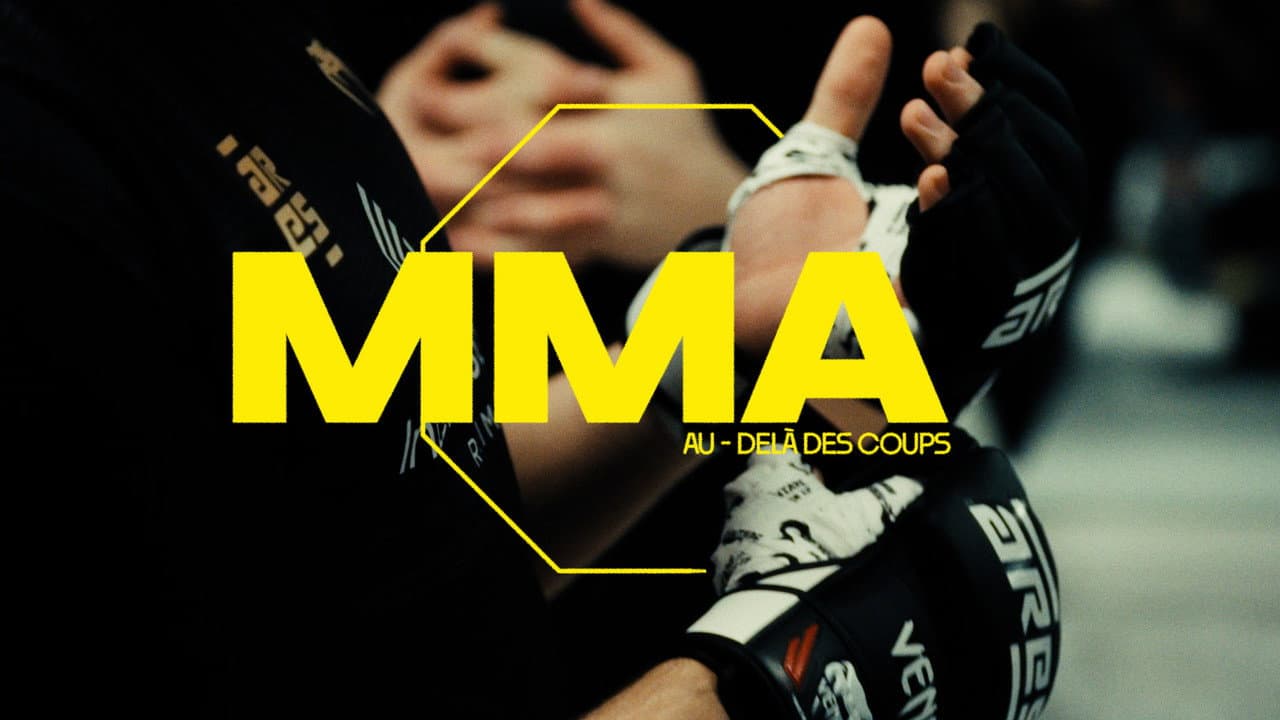
MMA, au-delà des coups: The Documentary That Asks What Comes After Legalization
MMA, au-delà des coups premiered on france.tv on June 10, 2026, and it's not what you'd expect from a sports documentary. This 55-to-60-minute film doesn't fetishize the knockout. Instead, it asks harder questions: Why did France ban mixed martial arts for decades, then suddenly legalize it in 2020? Who profits? Who gets to tell the story? And what does it mean when the UFC holds a gala at the White House?
For a country that only legalized MMA six years ago, that's a compressed, urgent timeline — and this documentary knows it.
What makes this different from typical fight documentaries
Most MMA documentaries are highlight reels dressed up as storytelling. Slow-motion knockouts. Pump-up music. Fighter mythology. This isn't that.
What's striking is the focus on how the sport gets sold and controlled, not just how it's fought. Directed by Simon Maisonobe and written by Selim Derkaoui, the film treats legalization as the beginning of a negotiation, not a victory lap. It's interested in the politics underneath — the media economy, the national identity questions, the infrastructure that had to be built from almost nothing.
That angle matters. For years, French MMA clubs operated in legal grey zones. Fighters trained without formal competitive structures. The government had to decide whether a sport associated with American spectacle belonged in a country with its own combat traditions. When they said yes in 2020, it wasn't simple.
The production team clearly understands this. Produced by Temps Noir in collaboration with France Télévisions and La Sueur — a French combat-sports media outlet founded by people who actually care about the sport — the documentary has insider access that pure journalism might not unlock. That partnership shows. This isn't a hit job. It's not a puff piece either.
The people who make this documentary worth watching
The interview roster is genuinely impressive for a one-hour film.
Ciryl Gane appears — the former UFC heavyweight interim champion and probably the most technically gifted French fighter of his generation. Nassourdine Imavov is here too, a middleweight prospect whose recent UFC run has made him one of Europe's most talked-about fighters. Then there's Baki, Lucie Bertaud, Nora Cornolle, and GregMMA — a deliberately diverse lineup that spans weight classes, genders, and career stages.
That last detail matters. Bertaud and Cornolle represent the women's side of French MMA, a perspective combat sports media routinely sidelines. GregMMA appears as a media figure, not an active competitor — signaling that the film is interested in how MMA is talked about and sold, not just practiced. The founders of La Sueur also testify, grounding the media economy thread in real voices instead of abstract analysis.
I keep thinking about the documentary's framing of a UFC gala at the White House on June 14. That's not a neutral venue. It's a choice that says something about how MMA's promoters now see their own cultural standing — and Maisonobe doesn't let that image pass without interrogation.
Where to watch and what you're actually getting
Available now: france.tv (free to French viewers via France Télévisions) and Canal+ (for Canal+ subscribers).
If you're outside France or want to verify current availability in your region, Movie OTT's where-to-watch tracker updates in real time. It's genuinely useful for checking which platforms carry the film right now — especially helpful if you're in a French-speaking region outside France.
Runtime: 55–60 minutes. Single sitting. Tight.
Not rated. No formal critical consensus yet — it's simply too new to have accumulated reviews or awards recognition.
Who should actually watch this
If you follow Ciryl Gane or Nassourdine Imavov, you'll find context here that press conferences don't give you. If you're curious about how a sport goes from banned to mainstream in six years, or why the UFC thought the White House was the right backdrop for a sporting event, this is genuinely interesting viewing.
But here's the thing: you don't need to be an MMA fan. The documentary works equally well for people who've never watched a single fight. It's a story about power, legality, and how nations decide what kinds of violence they'll permit and celebrate. That's bigger than sports.
The pacing never drags. The interviews don't feel padded. It makes its point and gets out.
Want something similar? Try Movie OTT's sports documentary section — they've got the full range of what's currently streaming, and this one earns its place among the more thoughtful entries in the genre.