The Story of Momo and Her Battle Against Time
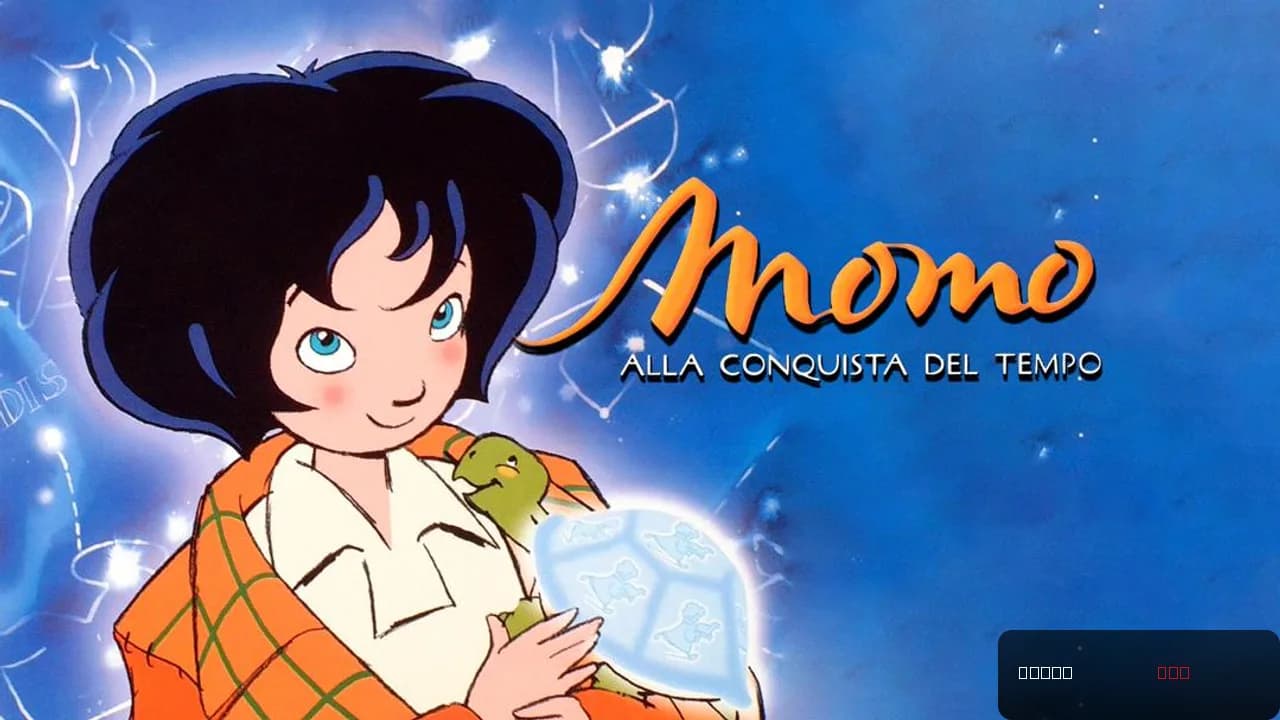
Momo tells the story of a young girl with no past and no name — just "Momo," a creature of mystery who arrives in a sprawling Italian city and befriends the street children and ordinary people living there. What makes her special isn't immediately obvious; it's her gift for listening, for being present in a way that transforms the lives of those around her. But Momo's world is threatened by something far darker than poverty or loneliness: the Grey Men, shadowy figures who steal time itself from unsuspecting citizens, leaving them hollow and obsessed with productivity at the expense of joy. Momo must uncover the truth about who she really is and why she's been given the power to stand against these creatures before the entire city falls under their spell. It's a race against the clock — literally.
Director Enzo D'Alò brings this story to life through animation that captures both the whimsy and the underlying menace of Michael Ende's source material. The film doesn't shy away from the darker elements of the narrative, even as it maintains a visual style accessible to younger viewers. There's a real sense of stakes here, a genuine tension between the cozy, intimate moments Momo shares with her friends and the creeping dread of the Grey Men's influence spreading through the city.
Behind the Making of Momo: Production, Cast, and Creative Vision
Momo emerged as an Italian-German co-production in 2001, a period when European animation was beginning to explore more ambitious storytelling beyond the dominant American studios. Enzo D'Alò, the director, had already built a reputation for bringing literary classics to the screen through animation — a craft that demands both technical precision and a deep understanding of tone and character. The film's 77-minute runtime is lean and purposeful, never dragging despite the complexity of Ende's original narrative.
The voice cast features some of Italy's finest actors: Giancarlo Giannini, a legend of Italian cinema known for his work in everything from political thrillers to family dramas, lends gravitas to the film. Diego Abatantuono and Sergio Rubini bring texture to the supporting roles, while Erica Necci voices Momo herself — a performance that had to balance innocence with quiet strength. The ensemble approach meant that Movie OTT viewers are hearing authentic Italian performances, not dubbed-over dialogue that can sometimes flatten character nuance. Neri Marcorè, Riccardo Rossi, and Giulio Renzi-Ricci round out a cast that clearly understood the weight of adapting such beloved source material.
While Momo didn't become a box-office juggernaut in the way that Pixar or DreamWorks films have, it found an audience among families and animation enthusiasts who appreciated its willingness to engage with themes of consumerism, time, and what it means to truly live. European animated films often operate in a different commercial ecosystem than their American counterparts, and Momo reflects that reality — a smaller production with larger ambitions.
Why Momo's Themes Still Matter: Animation That Trusts Its Audience
What's striking about Momo is how little it condescends to its audience. The film takes seriously the idea that children and adults can sit together and grapple with questions about mortality, greed, and the cost of modern life. The Grey Men aren't just cartoon villains; they're a visual metaphor for something real — the way societies can become obsessed with efficiency at the expense of human connection. When Momo sits with her friends, listening to them, that's not filler. That's the entire point.
The performances carry genuine emotional weight. Giannini's voice work conveys the weariness of adults caught in the Grey Men's trap, while Necci's Momo speaks with a kind of calm certainty that's rare in children's animation. There's no winking at the camera, no pop-culture references designed to make parents laugh at something kids won't get. Instead, there's a straightforward commitment to the story's emotional truth. The animation itself — while not cutting-edge by 2001 standards — serves the narrative rather than overwhelming it. Character designs are expressive without being cutesy, backgrounds are detailed enough to feel lived-in, and the pacing gives scenes room to breathe.
I keep coming back to the sequences where Momo simply listens to people. In a medium often driven by action and spectacle, these quiet moments become radical. They're also what makes the film's later action sequences matter — because we've genuinely come to care about these characters and what they're fighting for. The thing nobody mentions is that Ende's original novella was published in 1973, during an oil crisis and a period of genuine anxiety about time, progress, and what we were willing to sacrifice for it. Momo captures that same anxious energy, making it feel contemporary even decades later.
Where to Stream Momo Online
Momo is currently available on Prime Video, making it accessible to anyone with an Amazon Prime subscription. Movie OTT tracks current streaming availability across multiple platforms, and you can check the "Where to Watch" widget at the top of this page for real-time confirmation of where the film is streaming in your region. Prime Video's library of international animated films has grown significantly, and Momo sits alongside other European and international titles that might otherwise be hard to find. The 77-minute runtime makes it an easy fit for a weekend viewing, whether you're introducing it to a new generation or revisiting it yourself.
Frequently Asked Questions
Q: Is Momo based on a book?
Yes. Momo is adapted from Michael Ende's 1973 novella of the same name, which is also the author of The NeverEnding Story. Ende's original work explores similar themes about imagination, time, and the cost of modern life.
Q: Who directed Momo?
Enzo D'Alò directed the 2001 animated adaptation. D'Alò is an Italian director known for bringing literary classics to the screen through animation.
Q: What's the runtime of Momo?
The film is 77 minutes long, making it a concise but complete adaptation of Ende's story that doesn't feel rushed despite its brevity.
Q: Is Momo appropriate for children?
Momo is rated as a family film, though it does contain some darker thematic elements about time-stealing creatures and existential threats. It's best suited for children around age 7 and up, depending on sensitivity to suspenseful moments.
Q: Where can I watch Momo right now?
Momo is currently streaming on Prime Video. Check the Where to Watch widget at the top of this page for the most up-to-date availability information in your region.
Final Thoughts on Momo
Momo doesn't have the name recognition of Studio Ghibli or the marketing muscle of major American studios, but that's partly what makes it worth seeking out. It's a film that trusts its audience, that believes in the power of listening and presence in a world increasingly obsessed with productivity. The 2001 adaptation captures Ende's original vision while bringing its own visual personality to the story. If you're looking for something that goes beyond typical animated fare — something with genuine emotional stakes and thematic depth — Momo deserves your time. It's a quiet gem that rewards attention.