








The Story of Money Train: Two Cops, One Impossible Heist
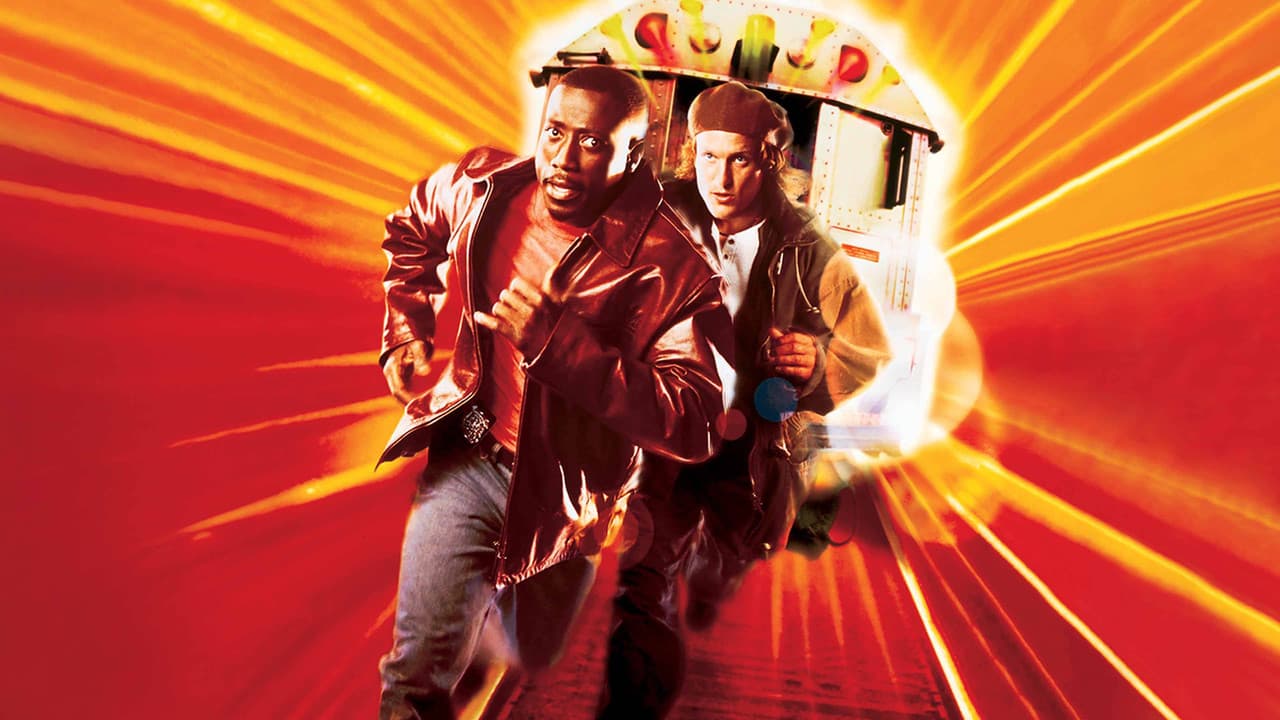
Money Train (1995) opens on the New York City subway system—a world of transit cops, underground tunnels, and the kind of institutional corruption that makes a man desperate. Wesley Snipes plays John Bookman, a straight-arrow transit police officer trying to keep his head down and do the job right. His foster brother Charlie Cole (Woody Harrelson) is the opposite: charming, reckless, funny, and drowning in debt to the kind of people you don't want to owe money to. When Charlie's debts spiral out of control, he hatches a plan that seems insane but also, weirdly, possible—steal the money train, the armored subway car that collects fares from across the city. John finds himself caught between his duty to the law and his loyalty to the only family he's got, setting up a conflict that's less about whether they'll pull off the heist and more about what it costs them when they try.
Behind the Making of Money Train: Production, Cast, and Ambition
Money Train arrived in 1995 as a Columbia Pictures production from Peters Entertainment, directed by Joseph Ruben and written by Doug Richardson and David Loughery. The pairing of Snipes and Harrelson—two actors with genuine chemistry and comedic timing—was supposed to be the film's anchor. Jennifer Lopez appears as a love interest (her early film role), alongside character actors Robert Blake and Chris Cooper. The film clocked in at 110 minutes, aiming for that sweet spot between action spectacle and buddy-cop comedy. Variety reported that the studio had high hopes for the project as a summer release, banking on the Snipes-Harrelson dynamic to carry it. However, Money Train stumbled at the box office and faced a critical drubbing upon release. The film's tone—juggling heist thrills, romantic subplots, a serial-killer subplot involving Blake's character, and comedy beats—confused audiences and critics alike. It wasn't quite dark enough to be a crime drama, not funny enough to be a pure comedy, and not coherent enough to satisfy action fans looking for a straightforward heist story. Despite its initial commercial and critical failure, Money Train has never disappeared entirely; it's the kind of film that finds new viewers on streaming platforms and cable reruns, people discovering it without the weight of 1995's expectations hanging over it.
What Makes Money Train Stand Out: The Chemistry That Carries It
What's striking is that beneath the messy plotting and tonal whiplash, there's something genuinely watchable happening between Snipes and Harrelson. Their dynamic—the responsible older brother constantly exasperated by the younger one's schemes, the younger one's infectious charm wearing down the older one's resistance—feels lived-in and real. The movie doesn't always know what it wants to be, but when it lets these two just talk, joke, and navigate their impossible situation, you see why the script got greenlit in the first place. Harrelson, especially, brings a manic energy that's hard to look away from; he's committed to the bit, whatever the bit is supposed to be. Snipes plays the straight man with enough warmth that you believe he'd actually go along with this insane plan out of love rather than just plot necessity. The film's biggest problem—and I keep coming back to this—is that it can't decide whether it's a love story, a cop thriller, a heist picture, or a dark character study. So it tries to be all of them, and in doing so, none of them land with real impact. That said, the core relationship survives the chaos. It's why the film has developed a cult following over the years; people rent it or catch it on streaming, expecting disaster, and instead find two charismatic actors doing their best to make sense of a script that's working against them.
Where to Stream Money Train Online
If you're curious to see what all the fuss is about, Money Train is currently available on major OTT services. Movie OTT tracks real-time streaming availability across platforms, so you can see exactly where it's playing right now without hunting through five different apps. The film pops up regularly on services that carry 1990s action and comedy titles, making it relatively easy to find. Whether you want to revisit it after all these years or discover it for the first time, the Where-to-Watch widget at the top of this page will show you every platform currently streaming it. No guessing games—just click and go.
Frequently asked questions
Q: Who directed Money Train?
Joseph Ruben directed Money Train from a screenplay by Doug Richardson and David Loughery. Ruben's background was in thriller and suspense filmmaking, which might explain why the film keeps trying to inject darker elements into what was supposed to be a lighter buddy-cop story.
Q: Is Money Train based on a true story?
No, Money Train is entirely fictional. The screenplay was an original work created specifically for this film, not adapted from real events or existing source material.
Q: What's the runtime of Money Train?
The film runs 110 minutes. That's actually a pretty standard length for an action-comedy, though some critics felt the story could've been tighter—or weirder, depending on who you ask.
Q: Why did Money Train fail at the box office?
The film's identity crisis didn't help. Audiences weren't sure what they were getting into, and critics panned it for trying to do too much at once. The marketing also didn't quite nail the tone, so people's expectations didn't match what the movie actually delivered.
Q: Where can I watch Money Train right now?
Money Train is available on several major OTT platforms. Check the Where-to-Watch section above or visit Movie OTT to see the current list of services streaming it in your region.
Final Thoughts on Money Train: Who Should Actually Watch It
Money Train isn't a masterpiece. It's not even a particularly good film by most critical standards. But it's interesting—messy and ambitious in a way that 1990s action cinema sometimes was, before everything got focus-grouped to death. If you're into Wesley Snipes and Woody Harrelson, or you're curious about Jennifer Lopez's early film work, or you just want to see what happens when a studio gives filmmakers too much creative freedom and not enough editorial oversight, it's worth a watch. Treat it as a time capsule of mid-90s Hollywood ambition, not as a thriller you're supposed to take seriously. The film knows what it's trying to do, even if it doesn't always succeed—and honestly, that's more than you can say for a lot of sequels and reboots.