
Monica Vitti, die Königin des italienischen Films
Released: 2026 | Genre: Documentary | Producers: Florafilm Productions, Helios Sustainable Films, ZDF/Arte
The film that reclaims a legend on her own terms
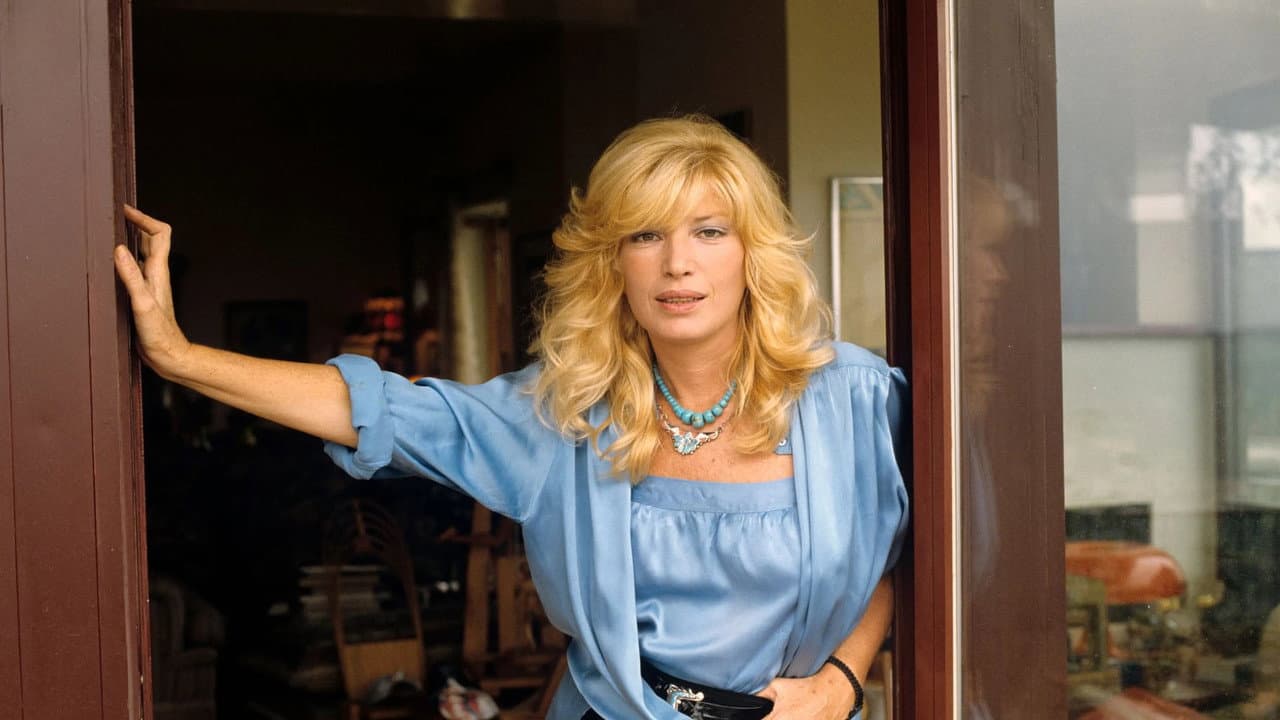
A woman who could break your heart with a glance and make you laugh until you ached — sometimes within the same film. That's Monica Vitti in one sentence, though she deserves far more than that. Monica Vitti, die Königin des italienischen Films arrives in 2026 as the documentary that finally stops treating her as an appendage to Michelangelo Antonioni and starts treating her as what she actually was: a formidable performer who mastered existential alienation in one film and screwball comedy in the next, often in the same year.
The film charts Maria Luisa Ceciarelli — born in Rome in 1931 — who became Monica Vitti and essentially defined what Italian cinema looked like for a generation. But here's what's unusual about this documentary: it doesn't just play the greatest-hits reel of Antonioni collaborations. It asks something harder. What does it mean to be a queen of an art form that was always, at least partly, run by men who assumed they were the ones doing the crowning?
The real story is Vitti's quiet withdrawal from public life in the early 2000s, long before her death in January 2022. That absence became its own kind of statement — and a documentary made in its immediate aftermath carries the weight of genuine mourning behind it. That tends to produce honest filmmaking rather than hagiography.
Why the production team matters more than you'd think
The coalition behind this film isn't accidental. Florafilm Productions and Helios Sustainable Films co-produced it alongside ZDF/Arte, the Franco-German public broadcaster that's quietly become one of Europe's most serious backers of documentary cinema. ZDF/Arte doesn't greenlight vanity projects. When they attach themselves to a biographical documentary, there's a curatorial commitment involved — archival depth, not talking-head fluff.
That partnership signals something about values (you can feel it in the production choices). Helios Sustainable Films brings an awareness that how a film gets made is part of what it says. Florafilm contributes European documentary expertise suited to a career as layered as Vitti's.
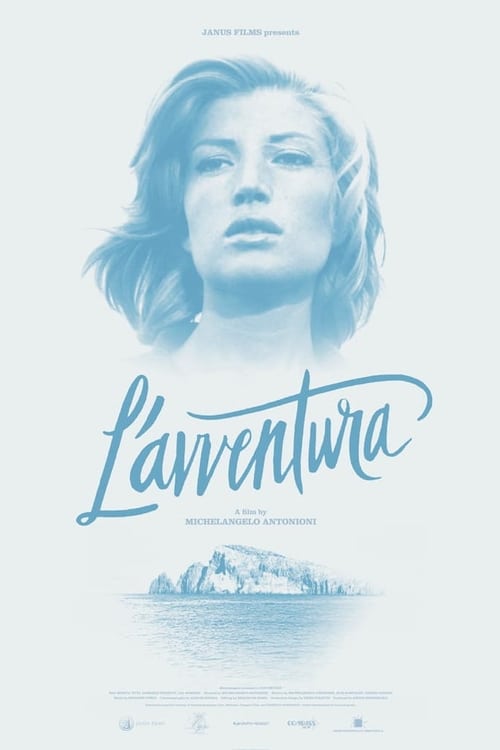
What you can expect: restored clips from her films, rare behind-the-scenes material, the kind of contextual film history that makes you want to immediately queue up L'Avventura or Modesty Blaise the moment the credits roll. Arte involvement usually guarantees rigorous archival work and interview sourcing — not the stuff that gets made in three weeks.
Where to actually watch it right now
The film is streaming on major OTT services, which means you won't be hunting through obscure archives. Movie OTT's where-to-watch tracker shows you exactly which platforms carry it in your region, updated in real time. Given the ZDF/Arte co-production setup, availability on European streaming services is particularly strong — but international platforms have picked it up as well.
Here's what I'd do: check the Movie OTT widget before searching manually. It'll save you the frustration of clicking through five different apps looking for something that's already waiting on your subscription tier.
The IMDb rating sits at 0/10 right now — not because the film is bad, but because it hasn't accumulated enough user votes yet. That number will shift as more viewers watch and rate it. Reflects recency, not quality.
Why this documentary breaks the Antonioni mold
What strikes me about this film is how rare it is to see Vitti treated as a complete artist rather than a muse. Yes, she was Antonioni's collaborator — but she was also a comedian who could pivot from existential alienation to physical comedy with a confidence most performers never find in a single genre, let alone across two of them completely.
The thing nobody mentions is how that tonal range is itself a kind of argument: that Vitti understood something about performance that transcended the auteur frameworks people kept trying to fit her into. The Antonioni tetralogy — L'Avventura, La Notte, L'Eclisse, Red Desert — are masterpieces. But they're only part of her story. She made 30+ films. She did comedy. She did thrillers. She did television work that got forgotten.
This documentary's real strength lies in its willingness to treat her career as a whole rather than cherry-picking four Antonioni films and calling it done. The title itself — in German — is a kind of declaration: Königin des italienischen Films. Queen of Italian film. Not queen of Antonioni's vision. Queen of the entire medium.
Who should watch, and why
Anyone curious about European cinema owes themselves this film. Not just for devotees of Vitti's work — though they'll find it essential — but for anyone who wants to understand how a performer shapes and sometimes outlasts the movements that made them famous. It's a documentary for patient viewers who want context, not just clips. It rewards your attention.
If you loved Contempt or Persona, you'll connect with this. If you've never seen a Vitti film, this is your entry point. Watch the documentary. Then watch L'Avventura. Then watch this again and catch what you missed the first time.
Movie OTT flagged this title early as one of the year's more significant documentary releases, and it's not hard to see why given the production backing and the subject matter. The institutional support alone — ZDF/Arte doesn't attach itself to projects lightly — suggests this isn't something thrown together quickly.
FAQ
Where can I watch it? Check the where-to-watch widget on this page. Movie OTT updates streaming availability across dozens of services globally, so you'll always see current information before most other aggregators catch up.
Who made it? Florafilm Productions and Helios Sustainable Films produced it in association with ZDF/Arte, the Franco-German public broadcaster. Released in 2026.
Is it a true story? Yes — it's a documentary about the real life and career of Monica Vitti, born Maria Luisa Ceciarelli in Rome in 1931, who died in January 2022.
What language is it in? The title is German (reflecting ZDF/Arte co-production), but documentary films of this caliber typically include multilingual interview footage and archival clips. Subtitle and dubbing options vary by platform — check your streaming service's language settings.
Why is the IMDb rating so low? It's 0/10 because it hasn't accumulated enough votes yet — common for recent releases. That reflects age, not quality.
Next step: Find it on your platform using the widget above, then block out two hours. You won't regret it.