

The story of More Beautiful for Having Been Broken
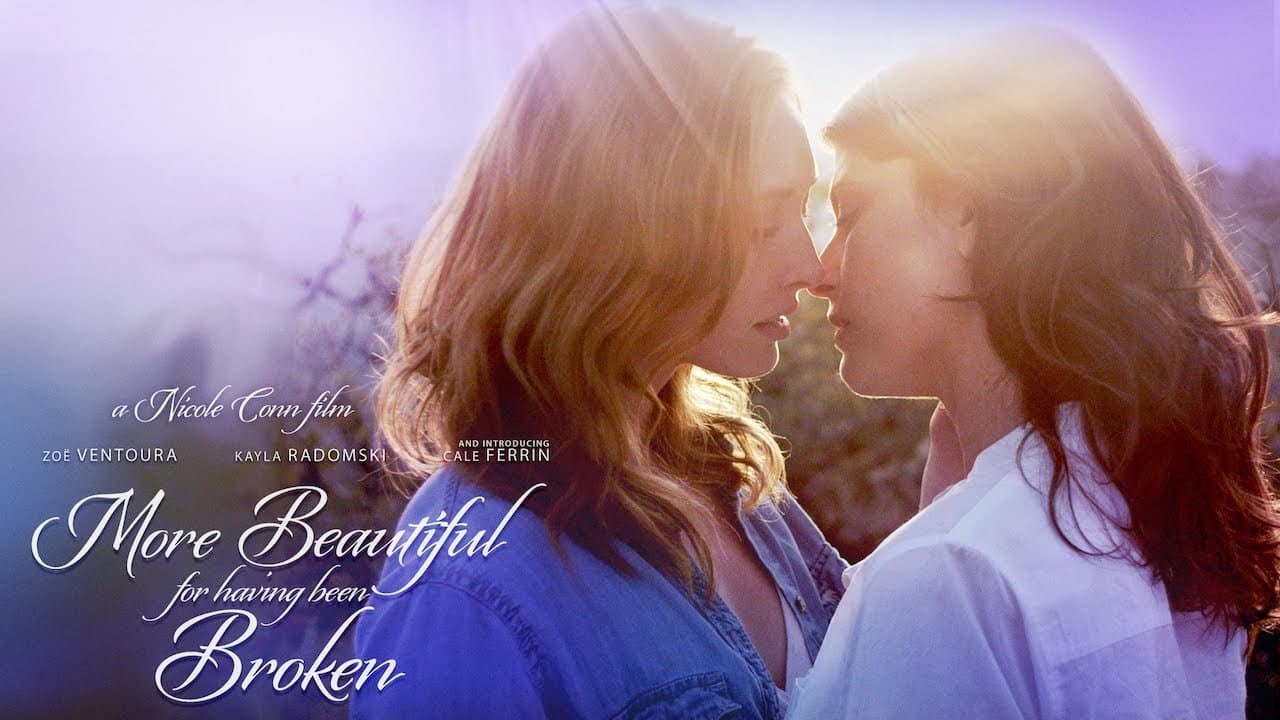
More Beautiful for Having Been Broken follows a woman at her lowest point—an FBI agent suspended from duty, grieving the loss of her mother, searching for solid ground. She returns to a small mountain town she visited as a child, seeking refuge and maybe some version of herself she'd misplaced along the way. What she finds instead is two other women and a young boy with special needs who possesses something rare: an extraordinary gift for seeing people as they actually are. The film isn't a rescue narrative dressed up in feel-good clothing. It's messier than that, more human. The three women's friendship becomes something deeper, romantic even, but family secrets and unresolved wounds threaten to unravel what they've built together. Vacation settings often promise escape, but this story uses that lakeside isolation to force real confrontation—with grief, with desire, with the possibility of being known and loved anyway.
Behind the making of More Beautiful for Having Been Broken
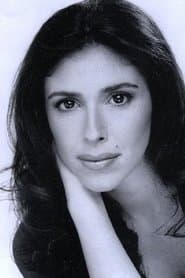
Director Nicole Conn brings a distinctly intimate vision to this 2020 release, one that privileges emotional authenticity over conventional narrative beats. The film stars Zoe Ventoura, Kayla Radomski, and young Cale Ferrin in roles that demand vulnerability and nuance—especially the child actor, whose performance as the special needs boy anchors the entire emotional arc. Not Rated and clocking in at 111 minutes, the film had modest theatrical reach but found a dedicated audience through streaming platforms. The production earned recognition with 3 awards wins, a testament to Conn's direction and the cast's commitment to material that could've easily become saccharine in less capable hands. While the film carries an IMDb rating of 5.9 out of 10 from nearly 1,500 voters, that aggregate score doesn't capture the specificity of what Conn was attempting—a character study that privileges interiority over plot mechanics. Movie OTT tracks where films like this land across streaming services, helping viewers find stories that might otherwise slip past their radar.
What makes More Beautiful for Having Been Broken stand out
Honestly, what's most striking about this film is how it refuses the sentimentality trap. The special needs child isn't a plot device designed to teach the broken adults a lesson about gratitude. Instead, he's a fully realized presence—someone whose perspective genuinely shifts the women around him, but not through magical thinking or inspirational-movie logic. The performances ground everything in specificity: Ventoura carries the weight of professional failure and maternal grief without ever tipping into melodrama, while Radomski's character brings a different kind of damage—family entanglement, unspoken longing. What I keep coming back to is the film's willingness to let these women want each other romantically while also acknowledging that desire doesn't solve the structural problems their lives contain. The script doesn't pretend a vacation romance can erase trauma. It can only offer a temporary reprieve, a space where different versions of yourself become possible. Cinematically, the mountain setting and lakeside sequences create visual breathing room—long shots of women sitting in silence, processing, being present with one another. That's not flashy filmmaking, but it's honest work. Movie OTT's editorial team has noted that character-driven dramas like this one often perform better on streaming platforms than they do in theatrical runs, where audiences come expecting plot propulsion rather than introspection.
How to watch More Beautiful for Having Been Broken online
More Beautiful for Having Been Broken is currently available across major OTT services, making it accessible whether you're a subscriber to Netflix, Prime Video, or other major streaming platforms. The film's availability may vary by region and subscription tier, so checking the where-to-watch widget at the top of this page will show you exactly which services carry it in your area right now. For those who prefer to own rather than stream, the film is also available for digital purchase on platforms like iTunes and Google Play. At 111 minutes, it's the kind of film that rewards full attention in a single sitting—not something to half-watch while scrolling. Finding the right moment to settle in with this story matters. Movie OTT helps you locate it wherever it's currently streaming, so you don't waste time hunting across apps.
Frequently asked questions
Q: Who directed More Beautiful for Having Been Broken?
Nicole Conn directed the film, bringing her characteristic focus on intimate character dynamics and emotional truth to this 2020 drama. Her direction emphasizes interiority and quiet moments over plot machinery.
Q: Is More Beautiful for Having Been Broken based on a true story?
The film is a fictional drama, not based on real events. However, its themes of grief, healing, and unexpected connection draw from universal human experiences that feel authentic and lived-in.
Q: What does the title mean?
The title suggests that brokenness—trauma, loss, failure—can paradoxically make us more beautiful, more capable of depth and compassion. It's a thematic statement about how our wounds don't disqualify us from love or connection.
Q: Where can I watch More Beautiful for Having Been Broken?
The film is available on major streaming platforms. Use the where-to-watch widget at the top of this page to see which services currently offer it in your region.
Q: What's the runtime and rating?
More Beautiful for Having Been Broken runs 111 minutes and is Not Rated. There's no MPAA classification, so you'll want to check content advisories if you're watching with others.
Final thoughts on More Beautiful for Having Been Broken
This isn't a film for everyone—and that's okay. It's deliberately paced, emotionally demanding, and skeptical of easy answers. But for viewers who want character-driven storytelling that trusts them to sit with ambiguity and pain, it's worth seeking out. The three lead performances anchor something real. The special needs representation avoids cliché. And the romance between the women feels earned rather than imposed. It's a film about people learning to be vulnerable with each other at a lakeside resort, and somehow that small, specific story becomes something universal. Don't expect redemption wrapped in a bow. Expect something messier, truer, and ultimately more moving.