


The story of Mortal Kombat's unlikely hero
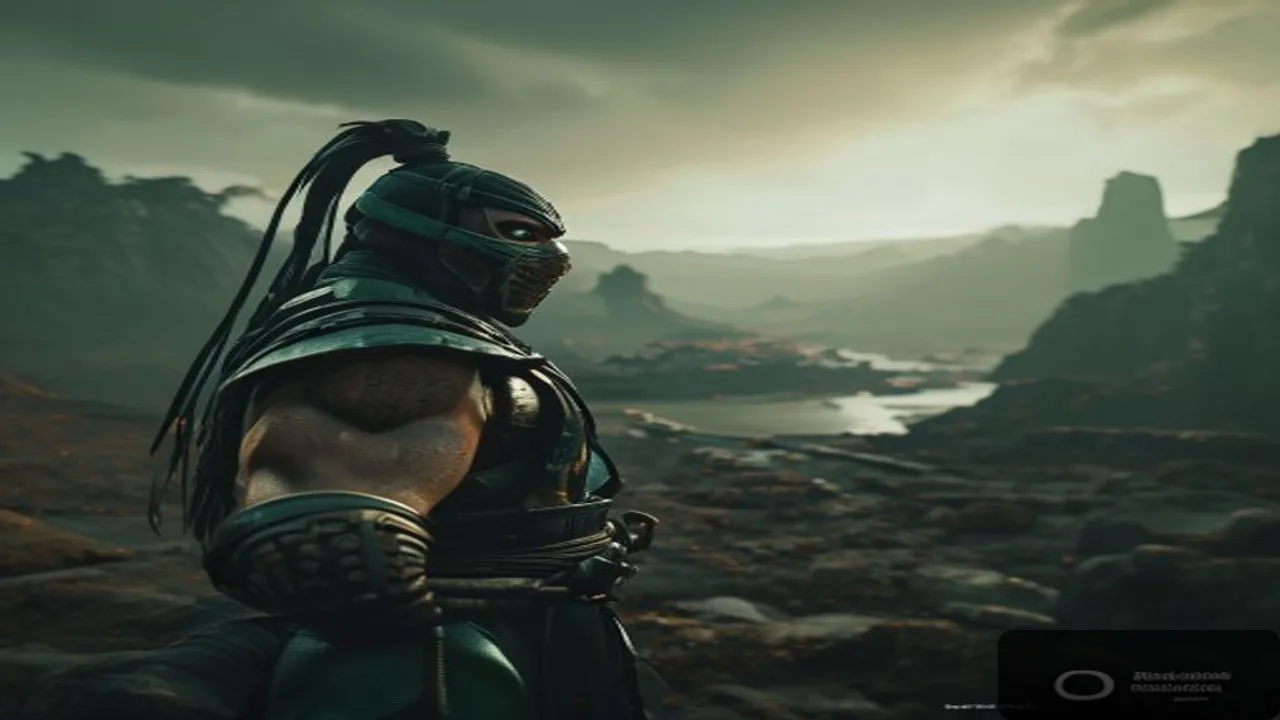
Mortal Kombat opens with Cole Young, a washed-up mixed martial arts fighter living in the margins of the combat sports world. He's not the obvious choice for a hero—no legendary tournament pedigree, no mystical birthright that he's aware of. That changes when he's hunted by Sub-Zero, an assassin from another dimension, and suddenly Cole's mundane life collides with a truth he never knew existed. Unaware of his own heritage and the mark that makes him a target, he's forced to seek out Earth's greatest fighting champions. What unfolds is a high-stakes battle for the survival of Earthrealm itself, where ancient martial arts traditions meet supernatural forces and the stakes couldn't be higher. The premise works because it grounds the fantastical tournament concept in a relatable entry point—a guy just trying to understand why his life is falling apart.
How Mortal Kombat came together as a modern reboot
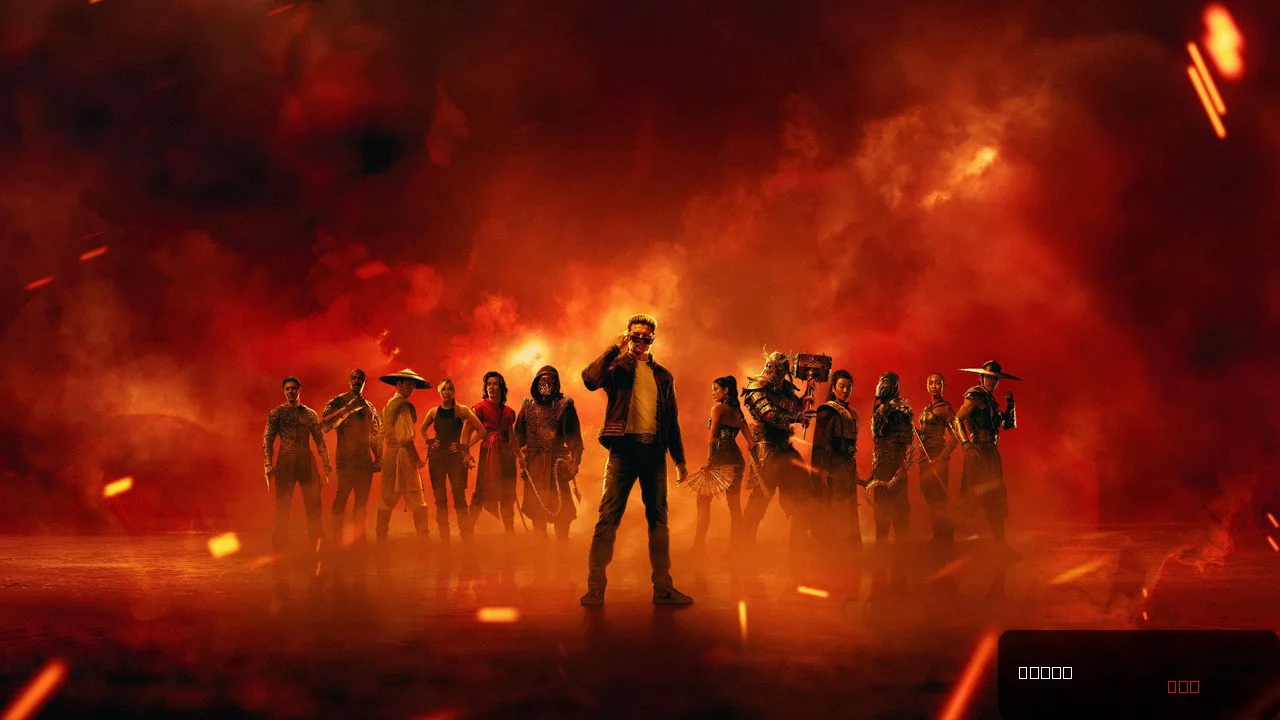
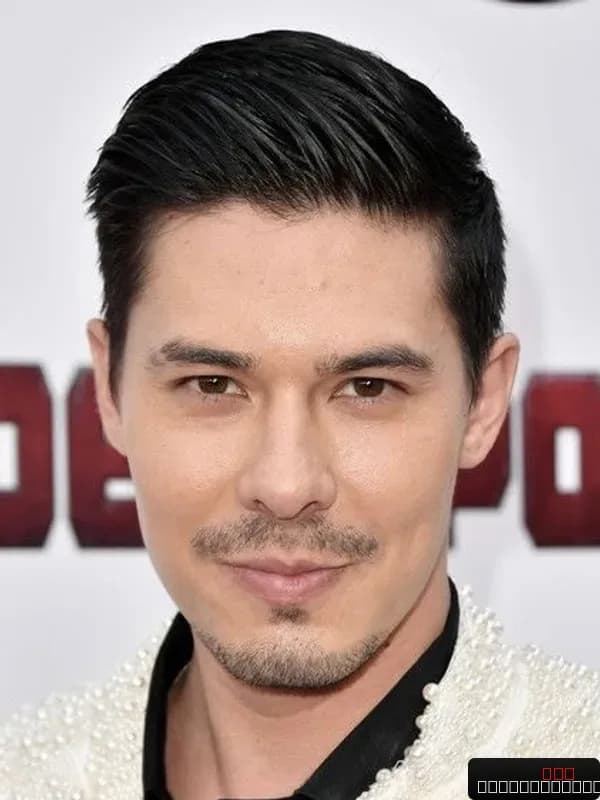
Director Simon McQuoid helmed this reboot from a screenplay by Greg Russo and Dave Callaham, marking the third installment in the Mortal Kombat film franchise but the first to truly embrace the source material's violent, dark tone. The film was produced by Atomic Monster, Broken Road Productions, and New Line Cinema—a pedigree that suggested ambition, though the production faced real constraints. Shot during the pandemic with a limited budget relative to the scale of the world-building required, McQuoid had to make every frame count. The ensemble cast includes Lewis Tan as Cole, alongside Jessica McNamee, Josh Lawson, Tadanobu Asano, Mehcad Brooks, Ludi Lin, Chin Han, Max Huang, Joe Taslim, and Hiroyuki Sanada—a mix of action veterans and established character actors who understood the assignment. The film earned an R rating, a critical distinction that separated it from the neutered PG-13 attempts of the late '90s. Movie OTT tracks how modern action reboots are distributed across streaming platforms, and Mortal Kombat's availability reflects its broad appeal to both theatrical and streaming audiences.
Why Mortal Kombat resonates with longtime fans
What's striking is how McQuoid solved the franchise's central problem: too many characters, not enough time. Rather than trying to give every fighter equal screen time, the film commits to Cole's journey while letting the roster around him breathe in smaller moments. The action sequences don't cut away from impact—there's weight to every strike, every throw, every brutal finishing move that nods to the games without feeling like fan service. The thing nobody mentions is that the film actually understands what made the games compelling: the clash of martial arts styles, the mythology beneath the fighting, the idea that warriors from different worlds are forced into conflict by forces beyond their control. Hiroyuki Sanada's presence as Scorpion carries genuine gravitas, and the quieter character moments—where fighters discuss their motivations and fears—give the spectacle emotional anchoring. Critics and fans alike have noted that this feels like the first time a Mortal Kombat film treated the source material with respect rather than irony. The IMDb rating of 7.0 reflects a solid consensus: this isn't a masterpiece, but it's the best adaptation of such a legendary universe that we've gotten so far.
Where to stream Mortal Kombat right now
You can find Mortal Kombat on major OTT services—the platform availability is listed in the "Where to Watch" widget at the top of this page, which updates in real time as licensing agreements shift. The film's 110-minute runtime makes it ideal for a weekend viewing session, and the R rating means you're getting the full, uncut experience without compromise. Whether you're streaming it on a primary service or catching it where it's currently available, don't expect edited-for-broadcast versions. That's part of what makes this reboot work: it commits to the material, and the platforms carrying it respect that commitment.
Frequently asked questions
Q: Is Mortal Kombat (2021) a sequel or a reboot?
It's a reboot—the third Mortal Kombat film overall, but the first to completely reimagine the franchise rather than continue an existing storyline. It's designed as a fresh entry point while honoring the games' mythology.
Q: Who directed Mortal Kombat?
Simon McQuoid directed the film from a screenplay by Greg Russo and Dave Callaham. It's McQuoid's feature directorial debut, and he brought a clear vision for how to adapt the material seriously.
Q: Is Mortal Kombat based on a true story?
No—it's based on the video-game series created by Ed Boon and John Tobias. The tournament, the realms, and the characters all originate from the games, not from real events.
Q: What's the runtime of Mortal Kombat?
The film runs 110 minutes, which gives it enough time to develop the story and characters without feeling bloated or rushed.
Q: Does Mortal Kombat have post-credits scenes?
Yes—there's a scene after the credits that sets up potential sequels, so stay through the end if you want to see where the franchise might head next.
Final thoughts on Mortal Kombat
Mortal Kombat isn't trying to be Shakespeare. It's trying to be a visceral, entertaining action film rooted in a beloved game franchise—and it succeeds. The 2021 reboot respects its source material in ways previous adaptations didn't, delivers on spectacle without sacrificing character, and proves that video-game movies don't have to be cynical cash grabs. If you're a longtime fan frustrated by decades of watered-down attempts, or if you're just looking for solid action with real stakes, this one's worth your time. Stream it where it's available through Movie OTT's platform tracker.