
The Story of Mortal Kombat's Interdimensional Tournament
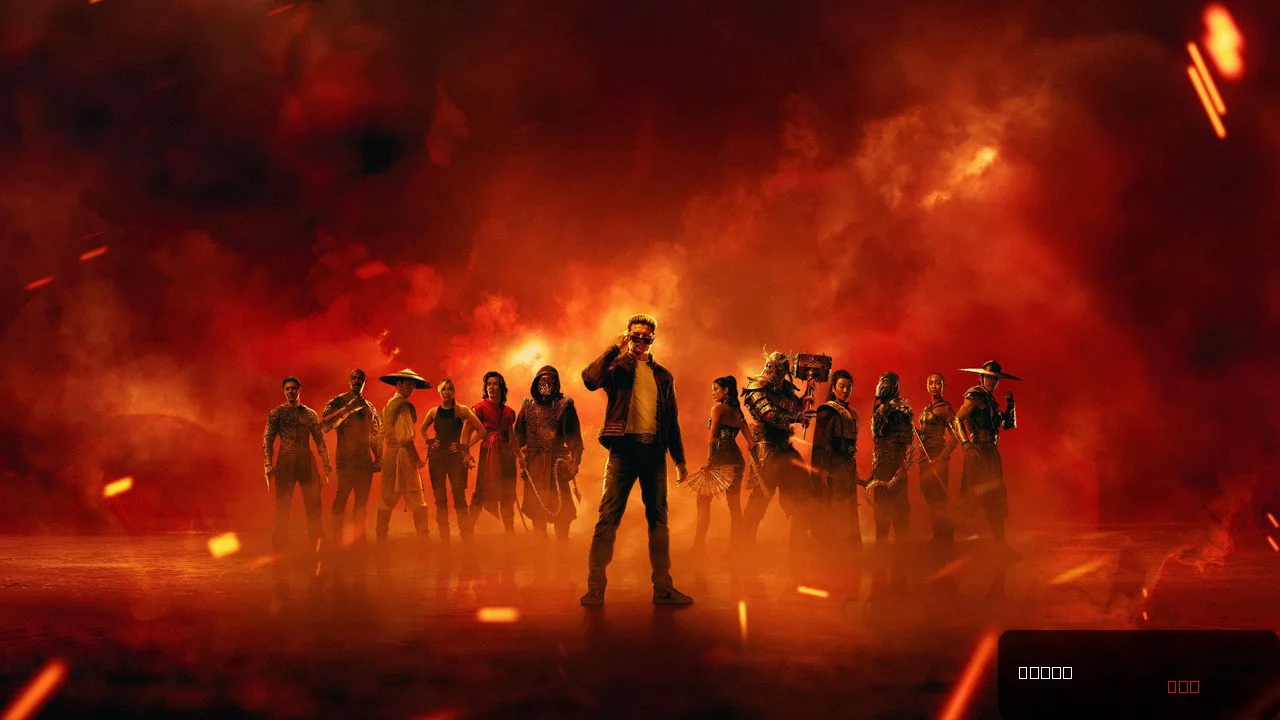
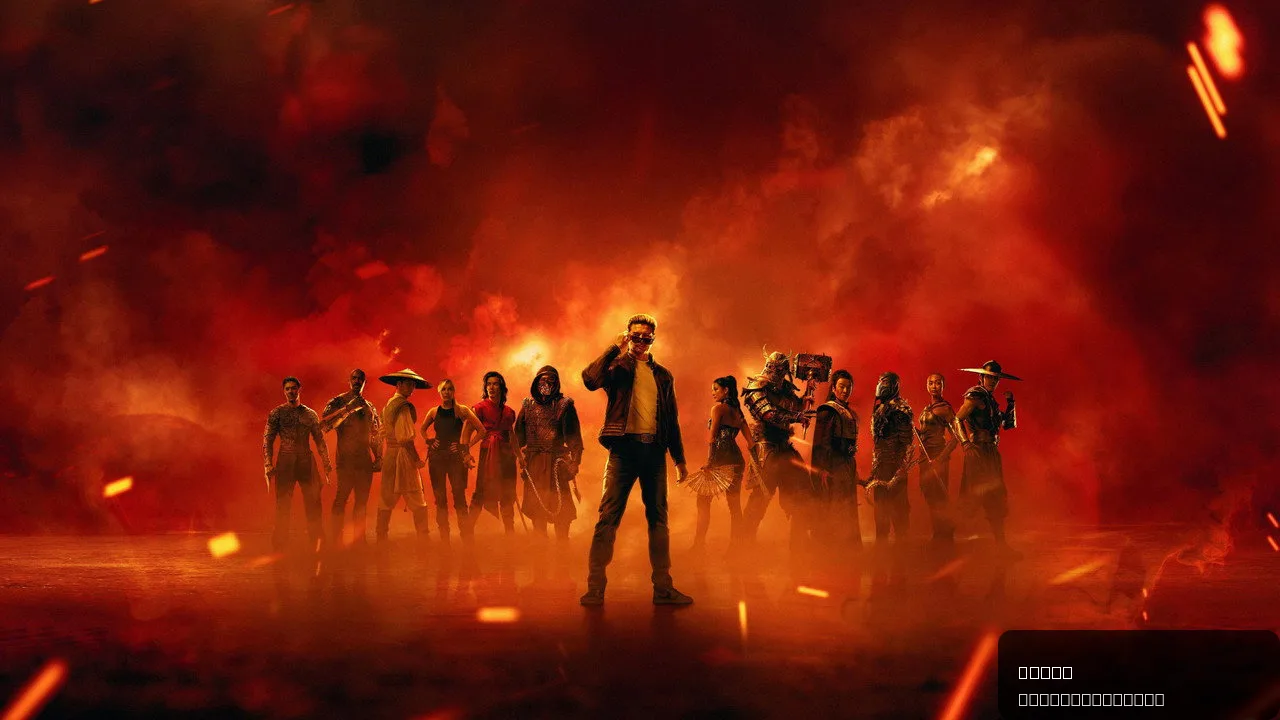
When Mortal Kombat hit theaters in 1995, it arrived at a cultural crossroads. The video game franchise—created by Ed Boon and John Tobias—had become simultaneously beloved and controversial, a flashpoint in debates about video game violence that'd haunted arcades and living rooms throughout the early '90s. The film follows a trio of warriors recruited by the mystical Rayden to participate in an otherworldly tournament. Their task: prevent the sorcerer Shang Tsung and his malevolent forces from achieving their tenth consecutive victory over Earthrealm, which would grant them dominion over the planet itself. It's a high-stakes premise wrapped in martial arts spectacle, grounded enough to feel like actual jeopardy but fantastical enough to justify the wire work and supernatural elements that define the source material.
Behind the Making of Mortal Kombat and Its Box Office Success
Director Paul W.S. Anderson faced a challenge that'd already tripped up the Street Fighter live-action adaptation just years earlier—how do you translate a video game's kinetic, often cartoonish energy into cinema without losing either authenticity or mainstream appeal? The MPAA's PG-13 rating meant stripping away much of the game's notorious gore and fatalities, a decision that angered purists but opened the film to a broader audience. Anderson assembled a cast with genuine martial arts credibility: Robin Shou brought legitimate fighting chops, while Cary-Hiroyuki Tagawa delivered menace as Shang Tsung. Christopher Lambert, fresh from cult credibility in Highlander and Greystoke, lent gravitas to Rayden, the film's mystical guide. The supporting cast—Linden Ashby, Bridgette Wilson-Sampras, and Talisa Soto—rounded out a ensemble that took the material seriously without winking at the audience. At 92 minutes, the film doesn't overstay its welcome, moving briskly through character introductions and tournament setup. The production leaned heavily on practical effects and martial choreography rather than the CGI that was still finding its footing in mid-'90s cinema. New Line Cinema's gamble paid off commercially, making it one of the year's surprise hits and proving that video game adaptations could work if handled with the right mix of respect and spectacle.
What Makes Mortal Kombat Stand Out Among Video Game Adaptations
Here's what's striking: Mortal Kombat works because it doesn't apologize for its source material. Too many game-to-film adaptations treat their origins like a guilty secret, something to be embarrassed about or radically reimagined. Anderson instead embraces the tournament structure, the character archetypes, and the underlying mythology—the idea of realms in conflict, of champions chosen to fight for existential stakes. The performances anchor everything. Tagawa's Shang Tsung isn't just a villain; he's a predatory force of nature, a man who feeds on souls with an almost aristocratic cruelty. When he transforms into different fighters mid-combat, it's genuinely unsettling, a visual effect that still holds up because it's grounded in an actor's commitment to menace. Shou's Johnny Cage—the action movie star thrust into real danger—provides the audience surrogate, the skeptic who has to believe in the impossible. The fight choreography, while occasionally hampered by '90s editing rhythms, captures the spirit of the game's one-on-one combat without the gratuitous fatalities. What's less talked about is how the film manages tone. It could've been campy or self-serious; instead, it occupies this middle ground where the absurdity of the premise is treated with complete sincerity. That's harder to pull off than it sounds. Critics at the time were split—the IMDb rating of 5.8 reflects a film that divided opinion, with some dismissing it as a cash grab and others recognizing it as a legitimately entertaining piece of blockbuster craftsmanship that understood its audience.
Where to Stream Mortal Kombat Online
If you're looking to revisit this '90s martial arts landmark or experience it for the first time, Mortal Kombat is currently available on Netflix. The streaming landscape shifts constantly—platforms add and drop titles based on licensing agreements—so Movie OTT tracks current availability across services to help you find exactly where your favorite films are streaming right now. The "Where to Watch" widget at the top of this page shows you all the platforms currently carrying Mortal Kombat, updated in real time. Netflix's library has become a go-to destination for action films from this era, making it convenient to queue up not just Anderson's adaptation but the sequel and the 2021 reboot that followed. At 92 minutes, it's the kind of film that fits perfectly into an evening of streaming, lean enough to keep momentum but substantial enough to feel like a complete experience.
Frequently Asked Questions
Q: Is Mortal Kombat based on a true story?
No, Mortal Kombat is a fictional action film adapted from the video game franchise. The tournament concept and character mythology are entirely created by the filmmakers and game designers, though the film does draw on martial arts traditions and tournament storytelling conventions that exist in real cinema.
Q: Who directed Mortal Kombat?
Paul W.S. Anderson directed the 1995 film. He's known for his work on action and science fiction films, bringing a visual style that emphasizes practical effects and clear action choreography.
Q: How long is the Mortal Kombat movie?
The film runs 92 minutes, making it a relatively brisk action film that moves quickly through setup and tournament matches without excessive runtime for character development.
Q: Is Mortal Kombat rated PG-13?
Yes, the 1995 film received a PG-13 rating, which meant significant toning down of the video game's famous violence and fatalities to reach a mainstream audience. This was a deliberate creative choice that broadened its appeal but disappointed some fans expecting the game's goriness.
Q: Who are the main characters in Mortal Kombat?
The film centers on three warriors—Johnny Cage, Liu Kang, and Sonya Blade—recruited by the mystical Rayden to compete in the tournament. They face off against Shang Tsung and his champions, with the fate of Earthrealm hanging in the balance.
Final Thoughts on Mortal Kombat's Enduring Appeal
Twenty-nine years later, Mortal Kombat remains a fascinating artifact. It's not a perfect film—the plot is thin, some effects haven't aged flawlessly, and the PG-13 constraint clearly frustrated the creative team. But it succeeds where it matters most: delivering genuine entertainment, respecting its source material, and proving that video game adaptations don't have to be embarrassments. It's a film that knew exactly what it was trying to do and executed that vision with competence and style. Whether you're a longtime fan or approaching it fresh, there's something to appreciate in Anderson's commitment to the material and the cast's willingness to play it straight. That's why it still holds up as a streaming option worth your time.