The Story of MOTHER: Survival in the Shadows
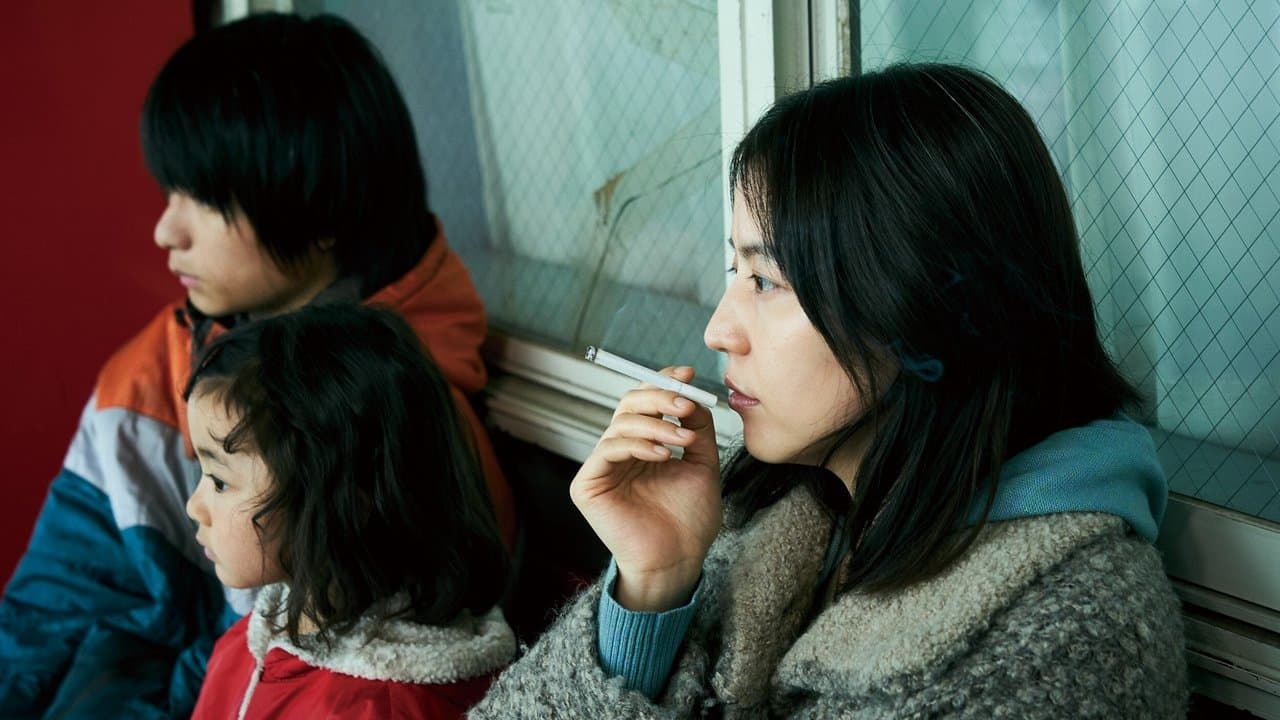
Shuhei is drowning. Not in water, but in the kind of slow-motion catastrophe that happens when a child becomes the adult in the room. His mother Akiko cycles through bad men and worse decisions, her drinking the only constant in a household held together by a boy's willingness to sacrifice everything. Instead of school, Shuhei runs errands to his disapproving grandparents, begging for money. Instead of childhood, he's raising his half-sister—the one person who depends on him, the rock that keeps him anchored to something that might look like purpose. MOTHER (2020) doesn't look away from this reality. It's a 127-minute descent into poverty, domestic violence, and the quiet desperation of a family fracturing under the weight of addiction and neglect. The tagline says it all: "She was the world to him." That world is burning.
Production, Awards, and the Making of MOTHER
This isn't a film that emerged from nowhere. MOTHER was produced by a coalition of major Japanese production companies—STAR SANDS, Happinet, KADOKAWA, and others—with backing from The Asahi Shimbun, one of Japan's most respected newspapers, signaling from the outset that this was serious, socially conscious cinema. The film won six awards and earned two nominations at festivals, recognition that reflected both its craft and its willingness to tackle a subject most filmmakers sidestep. The runtime of 127 minutes allows the story to breathe, to settle into the uncomfortable rhythms of daily survival rather than rushing toward catharsis. With an IMDb rating of 6.8/10 across 3,475 votes, the film sits in that interesting middle ground—not universally beloved, but clearly striking a nerve with viewers who recognize the specificity of its pain. The cast brings a lived-in quality to their roles; there's no glamour here, no softening of the material for audience comfort. What you're watching is a story rooted in actual events, adapted with the kind of restraint that makes the horror of it all the more palpable.
Why MOTHER Cuts So Deep
What's striking about MOTHER is how it refuses the comfort of easy answers. This isn't a film about redemption or the triumph of the human spirit—though there are moments of grace, they arrive quietly, almost shamefully, as if the film itself is embarrassed to offer them. The performances anchor everything. Shuhei's actor carries the weight of a child who's learned to think like a provider, to negotiate with adults, to swallow his own needs. His mother isn't played as a villain but as a woman trapped in her own cycle of dysfunction, which somehow makes it worse—you can see the mechanism of her damage, and you can't do anything to stop it. What I keep coming back to is the film's refusal to blame any single person. The social worker appears in the margins, understaffed and underfunded. The grandparents are sympathetic but powerless. The system that's supposed to catch falling children has holes you could drive a truck through. That's the real horror: not individual cruelty, but collective indifference. The film captures something that documentaries about child welfare struggle to convey—the texture of daily survival, the small humiliations, the way poverty doesn't just take your money but your time, your dignity, your belief that things can change.
Where to Stream MOTHER Online
MOTHER is available on major OTT platforms, and Movie OTT tracks real-time streaming availability so you can find exactly where it's playing right now in your region. The "Where to Watch" widget at the top of this page will show you all current options. Given the film's intensity and subject matter, watching it at home—where you can pause, breathe, sit with what you're seeing—might actually be preferable to a theater setting. This isn't entertainment in the traditional sense. It's a confrontation.
Frequently Asked Questions
Q: Is MOTHER based on a true story?
Yes. The film is adapted from real events involving child neglect and poverty in Japan, which gives it an added weight of authenticity. The specificity of the details—the errands, the half-sister, the grandparents—all trace back to documented cases of child welfare failures.
Q: Who directed MOTHER and what's their background?
While the production credits show major Japanese studios involved, the direction carries the hallmark of filmmakers committed to social realism. The film's unflinching approach suggests a director uninterested in softening the material for palatability.
Q: What are the main themes in MOTHER?
Child abuse, neglect, poverty, domestic violence, and systemic failure are woven throughout. The film also examines unemployment, single motherhood, and family dysfunction—not as abstract concepts but as lived experiences that shape a child's every day.
Q: How long is MOTHER and what's the runtime?
The film runs 127 minutes, giving it enough space to develop its characters and situations without rushing. That length is deliberate; it mirrors the slow accumulation of trauma and small moments of connection that define Shuhei's life.
Q: Where can I find MOTHER on streaming services?
Check the Where to Watch widget on this page for current availability. Streaming rights shift by region and season, so Movie OTT keeps the information updated across all major platforms.
Final Thoughts on MOTHER
MOTHER isn't a film you'll feel good about watching. That's not a criticism—it's the point. It's a film that demands you sit with discomfort, that refuses the narrative shortcuts we use to make suffering palatable. If you're looking for something that will challenge you, that will make you think differently about poverty and child welfare and the invisible failures happening in plain sight, this is it. It won't leave you untouched.