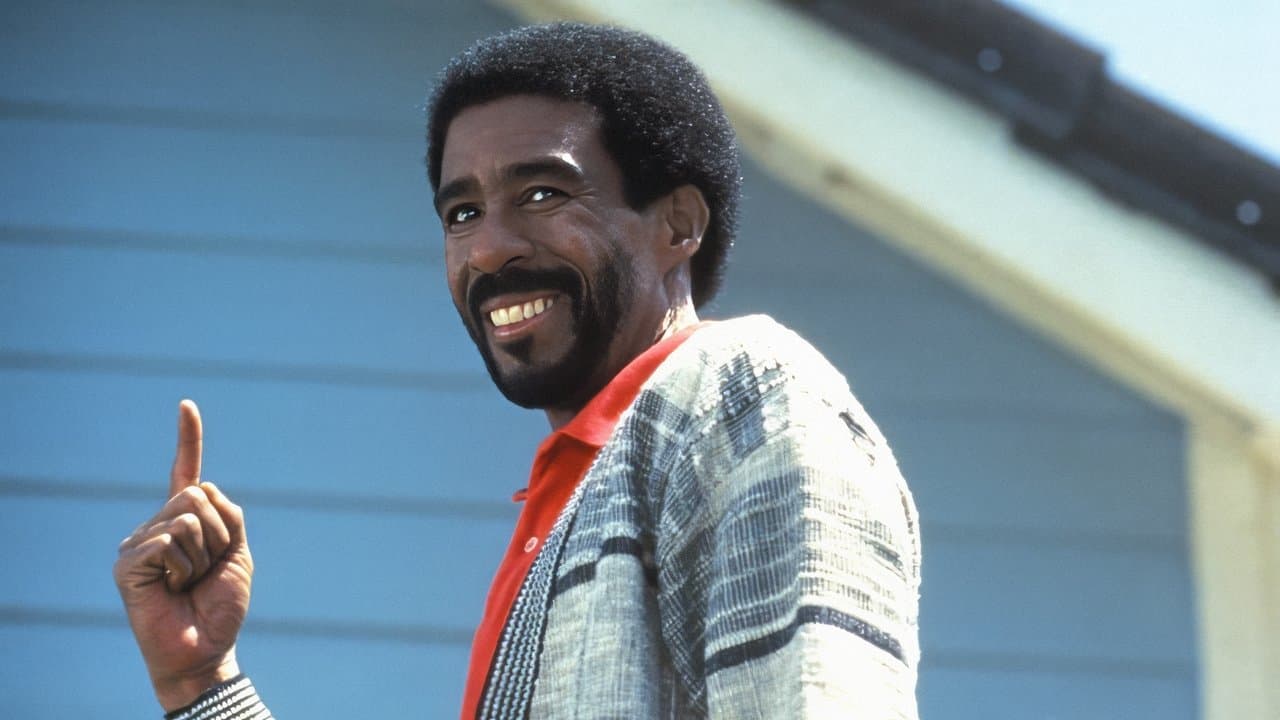









What Moving is really about
When Arlo gets the call about a promotion to Idaho, it sounds like the opportunity of a lifetime. A fresh start, a better position, the kind of break that doesn't come around twice. But what he doesn't realize—what the film's tagline promises with a wink—is that the "M-word" carries its own particular brand of chaos. Moving isn't a story about arriving somewhere new; it's about everything that falls apart on the way there. The 89-minute film follows one family's collision with the logistics, the mishaps, and the unexpected complications that come with uprooting your entire life, and it does so with the kind of broad comedy sensibility that was popular in late-1980s studio filmmaking.
Behind the making of Moving
Produced by Warner Bros. Pictures and released in 1988, Moving arrived during a specific moment in Hollywood comedy—when family-oriented sitcom humor was starting to feel dated in theaters, yet studios kept greenlit them anyway. The film brought Richard Pryor into the lead role, a choice that seemed on paper to guarantee at least some box-office draw. Pryor was still a major name, though his film career had begun to plateau after the peak of his stand-up and earlier comedy vehicles in the early 1980s. The supporting cast and crew assembled around him were solid enough for what was pitched as a straightforward, accessible comedy, though the film struggled to gain traction either critically or commercially. It carries a 5.583 rating on IMDb—not catastrophic, but low enough to signal that audiences and critics alike found it forgettable. The film runs a lean 89 minutes, suggesting the studio knew what it had and didn't want to overstay its welcome.
Why Moving hasn't aged into cult status
What's striking is how Moving represents a particular kind of filmmaking failure—not because it's incompetent, but because it's generic in a way that doesn't even have the charm of earnest mediocrity. The premise itself isn't bad: family comedies about relocation can work (they've worked before and since). But the execution here feels like it's checking boxes rather than finding real humor in the situation. There's a flatness to the proceedings, a sense that the filmmakers knew the beats they needed to hit—the moving truck mishaps, the culture clash between city and rural Idaho, the family learning to bond through adversity—and simply executed them without much spark. What's particularly tough for Pryor fans is that the film serves as a sobering reminder of just how brief his window of major theatrical success actually was. He really did deserve better material, and watching this one feels less like discovering a hidden gem and more like stumbling onto evidence of a career in transition. The performances are serviceable, but nobody's bringing anything unexpected to the table.
Where to stream Moving online
If you're curious enough to track down Moving, you won't have to hunt too hard—it's available on major OTT services. Check the "Where to Watch" widget at the top of this page to see which platforms currently have it in their catalog. Streaming availability shifts regularly, so Movie OTT keeps tabs on where it's streaming right now rather than relying on outdated guides. Since it's not a title that's going to disappear from circulation anytime soon, you'll likely find it available somewhere if you decide to give it a shot. Movie OTT tracks current streaming availability across major platforms, so you can see exactly which service has it without wasting time searching.
Frequently asked questions
Q: Who directed Moving?
Moving was directed by Alan Metter, a TV and film director whose career spanned sitcoms and theatrical releases. He wasn't known for particularly distinctive or memorable work, which is somewhat evident in the film's straightforward, by-the-book approach to its premise.
Q: Is Moving based on a true story?
No, Moving is an original screenplay written specifically as a comedy vehicle. It's not adapted from a book, true event, or existing property—just a studio pitch about what happens when a family relocates.
Q: What's the runtime of Moving?
The film clocks in at 89 minutes, which is relatively short even by late-1980s standards, suggesting the studio had limited faith in stretching the premise much further.
Q: Why is Moving so hard to find in cultural memory?
Moving didn't make much of an impression at the box office or with critics, and it hasn't aged into the kind of cult status that sometimes rescues forgotten comedies. It's simply too forgettable to be bad in an interesting way.
Q: Is Moving appropriate for families?
Yes—it's rated as a family comedy and doesn't contain explicit content. Though whether families will actually find it entertaining is another question entirely.
Final thoughts on Moving
Moving is the kind of film that exists in that strange middle ground: not terrible enough to be memorable for the wrong reasons, not good enough to justify seeking it out. If you're a Richard Pryor completist or someone who's genuinely curious about late-1980s family comedies, it's not unwatchable. But it's also not a film that's going to surprise you or make you understand why it was made in the first place. Sometimes a movie's obscurity tells you everything you need to know.