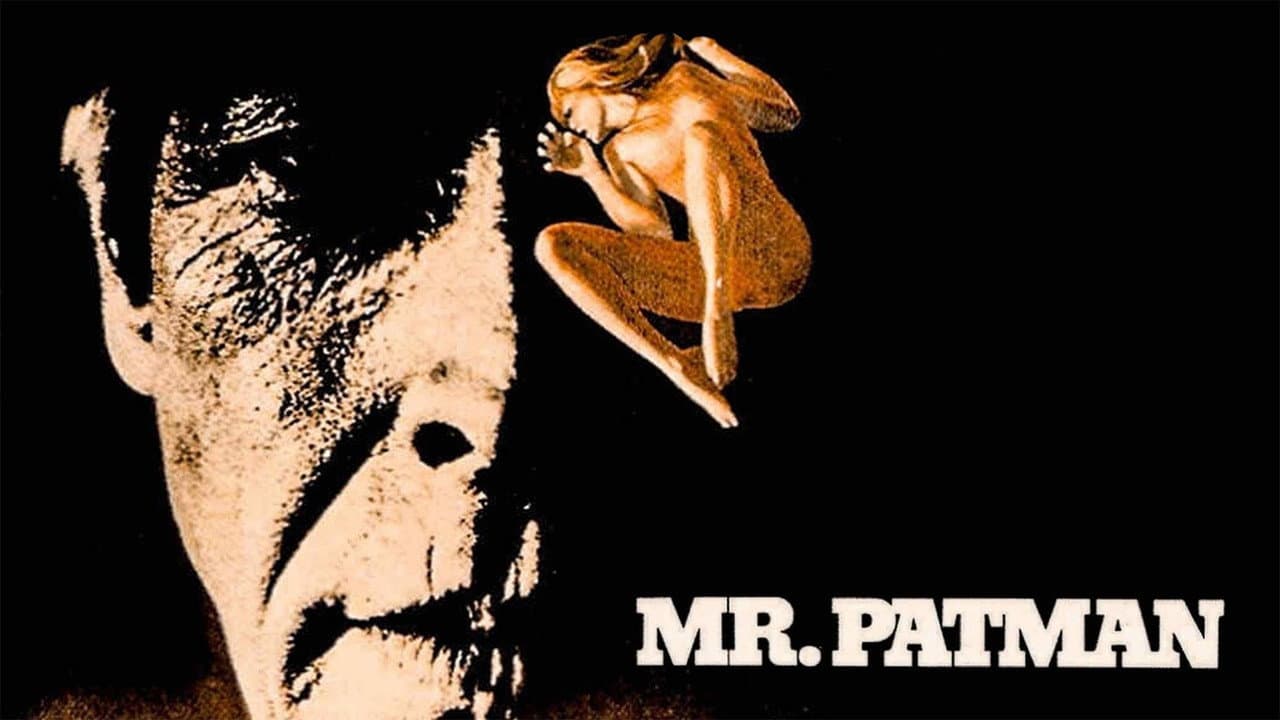








The story of Mr. Patman and its descent into paranoia
Mr. Patman follows an Irish night-shift orderly navigating the corridors of a Canadian mental ward—a setting that becomes less a place of healing and more a pressure cooker of psychological unease. The film's central conceit is deceptively simple: a man doing his job, watching over patients, managing the graveyard shift. But as the narrative unfolds, the boundaries between observer and observed, caretaker and inmate, begin to dissolve. Women, patients, and his own mounting paranoia surround him, each interaction a potential threat or conspiracy. What starts as routine work becomes a descent into the protagonist's fractured mental state, where we're never quite sure what's real and what's a product of his deteriorating mind. The tagline—"The other side of sanity"—captures this perfectly: we're watching someone slip toward the very condition he's meant to contain in others.
Behind the making of Mr. Patman and its production journey
Mr. Patman emerged in 1981, a year when psychological thrillers were gaining traction in independent and lower-budget cinema. The film clocks in at 97 minutes, a lean runtime that keeps the pressure mounting without overstaying its welcome. With an IMDb rating of 4.667/10, the film has never found mainstream critical consensus—it's the kind of title that tends to divide viewers rather than unite them. The production itself reflects the scrappy, ambitious spirit of early-80s genre filmmaking, when studios were still willing to fund unsettling, ambiguous stories without the need for tidy resolutions or reassuring narrative arcs. The cast and crew brought a commitment to exploring uncomfortable psychological territory, even if the final product didn't land universally with audiences or critics. What's striking is that despite its modest reception, Mr. Patman has persisted in the cultural margins, appearing on streaming platforms and finding new viewers decades later—a testament to the enduring appeal of genuinely unsettling cinema.
What makes Mr. Patman stand out as a paranoid psychological study
The real power of Mr. Patman lies not in plot mechanics but in atmosphere and the slow erosion of the protagonist's credibility. As viewers, we're trapped in his perspective—we see what he sees, hear what he hears, and gradually we begin to question whether his fears are justified or entirely constructed. That's the film's central trick, and it's remarkably effective when it lands. The orderly's interactions with the patients and staff create an environment of constant low-level dread; every conversation could be innocent or loaded with hidden meaning. The setting itself—a psychiatric hospital at night—is inherently claustrophobic and unsettling, a place where the rules of the outside world don't quite apply. What nobody mentions is how the film uses gender as part of its psychological architecture; the women in the ward and around the protagonist become both objects of desire and sources of paranoia, a dynamic that reflects the protagonist's fractured psyche. The performances, whatever their limitations, commit fully to this sense of creeping unease. It's not a film that tries to comfort you or provide easy answers. Instead, it asks you to sit with discomfort and ambiguity—which, for certain viewers, is exactly what makes it memorable.
Where to stream Mr. Patman online
Finding Mr. Patman requires a bit of hunting, but the film is available on major OTT services—check the "Where to Watch" widget at the top of this page to see current streaming availability in your region. Movie OTT tracks these platforms in real time, so you'll always know where to catch it without clicking through a dozen subscription services. The film's presence on streaming is a reminder that even cult oddities and commercially underperforming titles from the 80s have found second lives in the digital era. Whether you're subscribing to a major platform or exploring a smaller service, Mr. Patman is worth adding to your watchlist if you're in the mood for something genuinely disquieting and unresolved.
Frequently asked questions
Q: Is Mr. Patman based on a true story?
There's no evidence that Mr. Patman draws from a specific real-world incident. The film appears to be an original psychological thriller concept, though its exploration of institutional paranoia and the fragility of sanity taps into genuine anxieties about psychiatric care in the 1980s.
Q: What's the runtime of Mr. Patman?
The film runs 97 minutes, a tight length that keeps the psychological pressure mounting without unnecessary padding or relief.
Q: Who directed Mr. Patman?
While the directorial vision shapes the film's paranoid atmosphere and visual approach to the mental ward setting, the specific creative choices that define Mr. Patman's unsettling tone reflect a deliberate commitment to psychological discomfort over conventional thriller beats.
Q: Why does Mr. Patman have such a low IMDb rating?
With a 4.667/10 rating, Mr. Patman hasn't resonated with mainstream audiences—many viewers likely found it too slow, too ambiguous, or too bleak. That said, low ratings don't necessarily reflect quality; they often reflect a mismatch between audience expectations and what a film actually delivers. On Movie OTT, we've found that films like this often attract passionate defenders who appreciate their refusal to compromise on tone.
Q: Is Mr. Patman a good film for horror or thriller fans?
It depends on your tolerance for ambiguity and psychological unease. If you prefer jump scares and clear-cut villainy, this isn't your film. But if you're drawn to slow-burn paranoia and the kind of dread that lingers after the credits roll, Mr. Patman might be exactly what you're looking for.
Final thoughts on Mr. Patman
Mr. Patman isn't a film everyone will love—frankly, it's not a film most people will love. But that's partly what makes it worth watching. In an era of polished streaming content designed to offend no one, there's something refreshing about a 1981 thriller that commits fully to its own queasy, paranoid vision. It's a film that trusts you to sit with discomfort, to question what you're seeing, and to leave the theater (or your couch) without neat answers. If you're hunting for something genuinely unsettling and don't mind a low IMDb score, Mr. Patman deserves your attention.