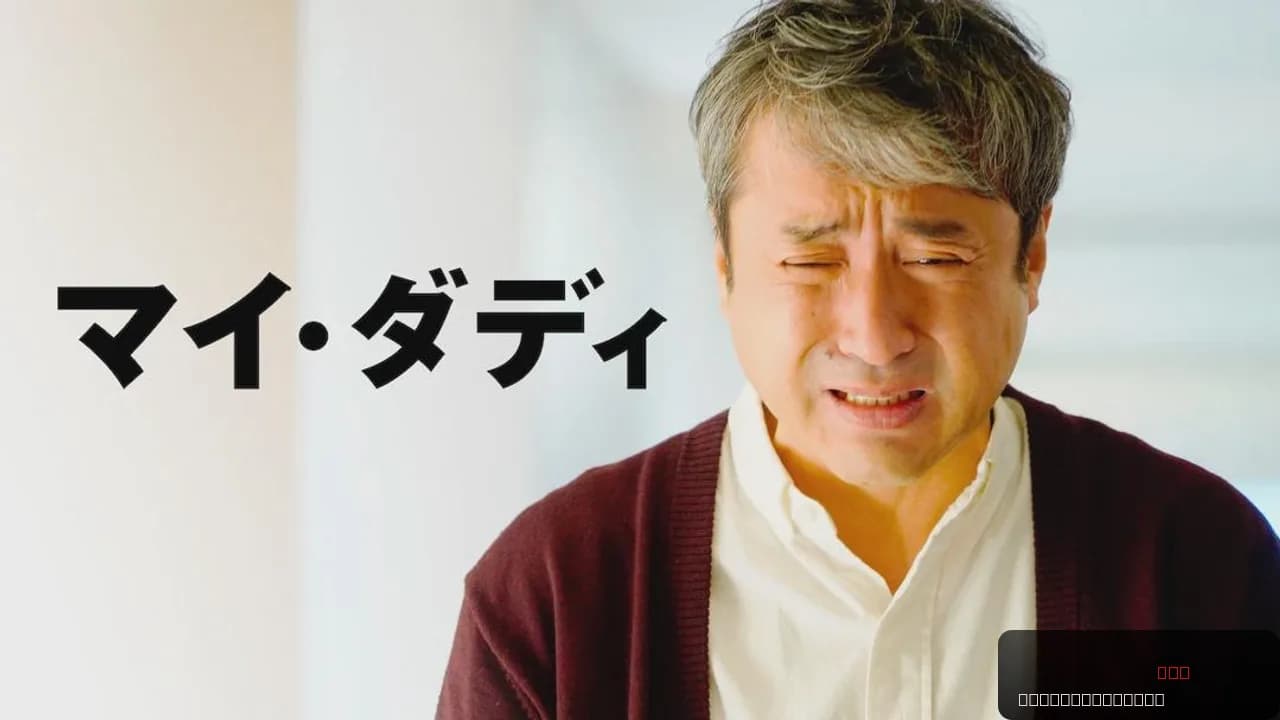
The story of My Daddy and what it means to be a parent
My Daddy is a 2021 Japanese drama that centers on one man's journey through fatherhood under the most harrowing circumstances imaginable. The film follows a single father as he grapples with raising his daughter while she battles leukemia—a disease that forces him to confront not just her mortality, but his own ability to protect the people he loves. It's a quiet, character-driven story that doesn't rely on melodrama or manipulation to get at something raw about what it means to be responsible for another person's life. Instead, it sits with the everyday moments: the hospital visits, the conversations that don't quite happen, the ways love expresses itself through small acts of care. The narrative doesn't shy away from the reality of terminal illness, but it also doesn't wallow in it, finding instead a kind of dignity in how ordinary people face extraordinary pain.
Behind the making of My Daddy and its cast ensemble
Director Junichi Kanai brought My Daddy to the screen with a cast that includes Tsuyoshi Muro, Katsuya Maiguma, Asami Usuda, Munenori Nagano, Shun Oguri, Ken Mitsuishi, and Kenta Tokui—a lineup of Japanese actors known for their work in television and film dramas. The film runs 115 minutes, giving Kanai enough room to build atmosphere and let scenes breathe rather than rushing toward emotional beats. While My Daddy didn't generate significant international box-office buzz, it found an audience within Japan's domestic market, where stories about family illness and parental sacrifice have long resonated with viewers. The production itself is relatively modest—no big studio machinery behind it—which actually works in its favor, allowing for a more intimate, observational filmmaking style. Shun Oguri, one of Japan's recognizable character actors, anchors the ensemble with a performance that's deliberately restrained, refusing to make the father's pain performative. What's striking is how the film trusts its audience to read what's happening beneath the surface, a choice that demands more from viewers but rewards that attention.
What makes My Daddy stand out among family dramas
The film's power lies not in big dramatic confrontations but in the spaces between them. When you're watching a parent manage a child's terminal illness, there's no room for grand gestures—just the accumulation of small decisions, quiet moments of doubt, and the way love shows up in practical things like medication schedules and hospital waiting rooms. I keep coming back to how the film refuses to sentimentalize its subject matter. It would be easy to make this into something melodramatic, full of tearful reconciliations and profound last words, but Kanai's direction keeps pulling away from that impulse. The performances—particularly Muro's work as the father—operate in a register of suppressed emotion that feels more honest than catharsis ever could. There's a scene early on where he's simply sitting in a hospital corridor, and his face carries the weight of everything he's trying to hold together, and you understand in that moment why this story matters. The thematic core—how illness fractures families, how single parents carry an impossible burden, how death reshapes everything—is handled with the kind of restraint that actually makes it hit harder. It's not trying to manipulate you into feeling something; it's just showing you what's true and trusting you to feel it on your own.
Where to stream My Daddy online
My Daddy is currently available to watch on Prime Video, making it accessible to anyone with an Amazon subscription. If you're looking for a way to track where this film and other titles are streaming, Movie OTT aggregates current availability across multiple platforms—so you can see at a glance where your next watch is available. The film's presence on Prime Video means it's part of a larger catalog of international dramas, though it's easy to miss if you're not looking specifically for Japanese cinema. Since streaming catalogs change regularly, checking the Where to Watch widget at the top of this page will give you the most up-to-date information about availability in your region.
Frequently asked questions
Q: Who directed My Daddy?
Junichi Kanai directed My Daddy, bringing a restrained, observational style to this story of parental loss and illness. His approach emphasizes quiet moments over melodrama.
Q: What is My Daddy's runtime?
The film runs 115 minutes, which gives the narrative enough space to develop character and atmosphere without rushing emotional beats.
Q: Is My Daddy based on a true story?
While the film isn't explicitly marketed as based on true events, it draws from universal experiences of illness and single parenthood that resonate across cultures—themes that often feel autobiographical even when they're fictionalized.
Q: Where can I watch My Daddy?
My Daddy is currently streaming on Prime Video. Movie OTT tracks current streaming availability, so check the platform widget above for the most current information.
Q: What is the IMDb rating for My Daddy?
My Daddy has an IMDb rating of 4.3 out of 10 based on 28 votes, suggesting it's a divisive film—which often happens with quiet, character-driven dramas that don't appeal to everyone.
Final thoughts on My Daddy
My Daddy isn't a film for everyone. It's slow, it's sad, and it doesn't offer easy answers or redemptive arcs. But if you're looking for a drama that treats illness and parental love with honesty and restraint, it's worth seeking out. The performances are understated, the direction is assured, and the themes cut deep. This is cinema that trusts its audience to sit with discomfort and find meaning in the spaces between words. It's a reminder that sometimes the most powerful stories aren't the loudest ones.