The story of My Dear Miss Aldrich
My Dear Miss Aldrich opens on a premise that feels almost too modern for 1937: a young woman inherits a New York City newspaper and, instead of simply collecting dividends as a passive publisher, decides she wants to work as a reporter. The tagline—"BELIEVE IT OR NOT - HE WAS A WOMAN-HATER - SHE A MAN-HATER!"—telegraphs the central conflict immediately. The editor of her newly inherited paper refuses to hire female reporters. She's determined to prove herself. He's determined to keep her out. What unfolds is a battle of wills wrapped in romantic comedy trappings, all delivered with the snappy dialogue and physical humor audiences expected from studio-era films. At 74 minutes, it doesn't overstay its welcome—a brisk, efficient comedy-drama that knows exactly what it's doing.
Behind the making of My Dear Miss Aldrich
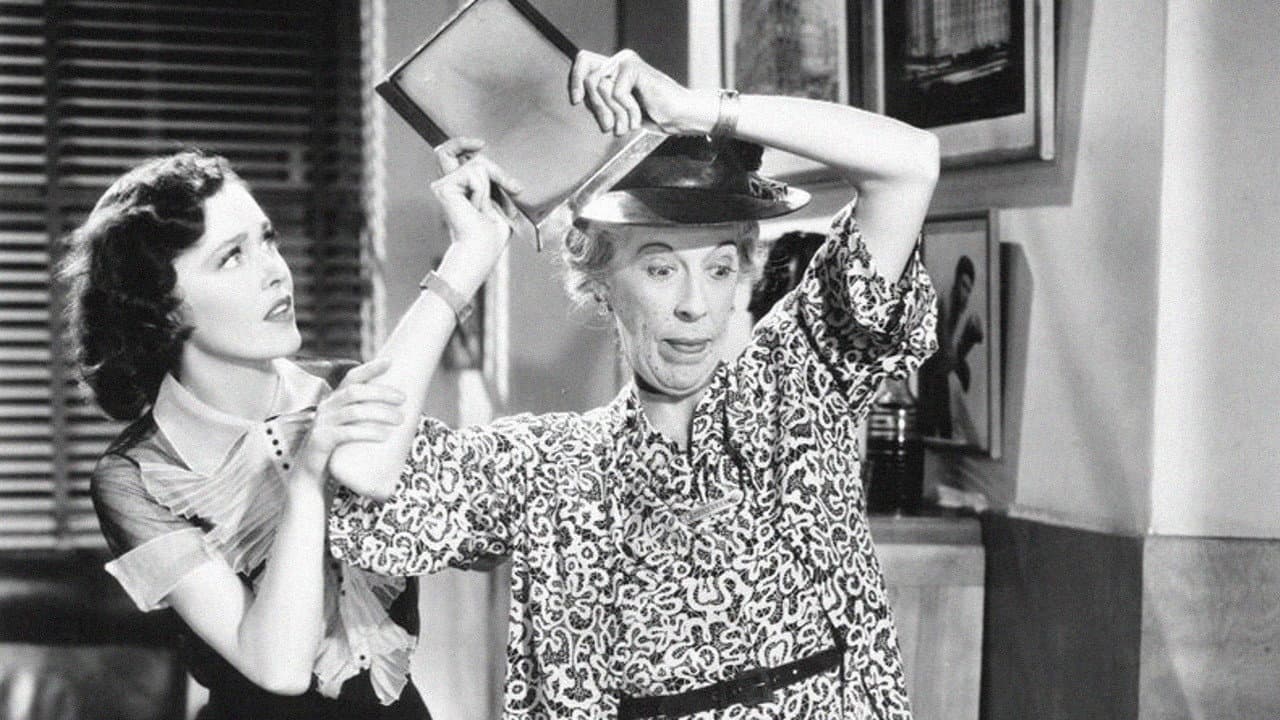
My Dear Miss Aldrich arrived during MGM's golden age, directed by George B. Seitz, a prolific studio hand who'd already made his name with the Thin Man series and other reliable crowd-pleasers. The film starred Maureen O'Sullivan, best known to modern audiences as Jane in the Tarzan pictures, alongside Walter Pidgeon, who'd go on to become a major leading man through the 1940s and 1950s. Rounding out the ensemble was Edna May Oliver, a character actress of remarkable comic timing whose presence alone could elevate a scene (she'd later become famous for her Miss Marple adaptations). The 1937 release came at a moment when Hollywood was still figuring out how to handle working women on screen—some films celebrated their independence, others mocked it, and many tried to have it both ways. My Dear Miss Aldrich lands somewhere in the middle, which is partly why it's endured as a curious artifact of its era. MGM's production values were always reliable; the cinematography and set design reflect the studio's commitment to making even modestly budgeted comedies look polished and professional. The film carries a 6.25 rating on IMDb, a respectable score for a comedy of this age that suggests it's held up reasonably well with viewers who stumble across it.
What makes My Dear Miss Aldrich stand out
What's striking about My Dear Miss Aldrich is how it manages to be both a product of its time and oddly progressive for 1937. The central conflict—a woman demanding to be taken seriously in a male-dominated workplace—doesn't feel quaint or dated, even if the execution is wrapped in romantic comedy conventions. O'Sullivan brings a genuine spark to the role; she's not playing a meek ingénue waiting to be won over, but rather a woman with agency and ambition who won't back down. Pidgeon, for his part, plays the editor as genuinely resistant but not cartoonishly villainous—there's a real ideological clash here, not just a misunderstanding that'll be cleared up by the second act. The thing nobody mentions is that the film actually engages with the question of whether women belong in the newsroom as a serious one, even if it ultimately resolves it through romance. That's not nothing for 1937. Edna May Oliver steals scenes with her dry delivery and impeccable comic timing, and the supporting cast keeps the pace brisk. The dialogue crackles in places—there's a real wit at work, the kind of smart banter that defined the best Hollywood comedies of the era. It's not groundbreaking cinema, but it's genuinely entertaining, which is exactly what it set out to be.
Where to stream My Dear Miss Aldrich online
Finding classic Hollywood films from the 1930s can be tricky, but My Dear Miss Aldrich is currently available on major OTT services—check the "Where to Watch" widget at the top of this page for the most up-to-date availability in your region. Movie OTT tracks current streaming availability across platforms, so you'll know exactly where to find it without having to hunt across multiple services. Since licensing for older films can shift, it's worth checking before you settle in, but the good news is that this MGM title has remained in relatively steady rotation on streaming platforms. If you're a fan of 1930s comedies or interested in how Hollywood portrayed working women during the studio era, it's worth the search.
Frequently asked questions
Q: Who directed My Dear Miss Aldrich?
George B. Seitz directed the film. He was a prolific MGM director known for his work on the Thin Man series and other studio comedies and dramas.
Q: What year was My Dear Miss Aldrich released?
The film was released in 1937 by Metro-Goldwyn-Mayer as a comedy-drama.
Q: Is My Dear Miss Aldrich based on a true story?
No, it's an original comedy-drama about a fictional young woman who inherits a newspaper. The plot is a studio creation designed to explore the clash between ambition and gender expectations in the newsroom.
Q: How long is My Dear Miss Aldrich?
The film runs 74 minutes, making it a brisk, efficiently paced comedy that doesn't linger on any single scene.
Q: Who stars in My Dear Miss Aldrich?
Maureen O'Sullivan leads the cast as the ambitious young woman, with Walter Pidgeon as the editor and Edna May Oliver in a memorable supporting role. All three deliver strong performances that anchor the film's central conflict.
Final thoughts on My Dear Miss Aldrich
My Dear Miss Aldrich isn't a masterpiece—it's a solid, entertaining piece of studio-era filmmaking that happens to ask interesting questions about gender and ambition while doing so. If you're drawn to 1930s comedy, curious about how Hollywood portrayed working women, or just looking for a well-crafted 74-minute diversion, it's worth your time. The performances are sharp, the pacing is tight, and there's genuine chemistry between the leads. It won't change your life, but it'll make you smile. That's what it was made to do, and it succeeds.