



The Story of Mystic River
Mystic River opens on a Boston street in 1975, where three working-class boys—Jimmy, Dave, and Sean—are playing together when a terrible moment changes everything. A child abduction that haunts the city tears their friendship apart, and for decades, they drift into separate lives. Then, in the present day, Jimmy's 19-year-old daughter is murdered, and the investigation pulls all three men back into each other's orbit. What unfolds isn't just a whodunit—it's a psychological reckoning with how childhood trauma warps us into adults we don't recognize, and how the desire for justice can blind us to the truth. The film's 137-minute runtime allows the story to breathe, to let tension simmer rather than boil over, which is exactly what makes it so effective.
Behind the Making of Mystic River
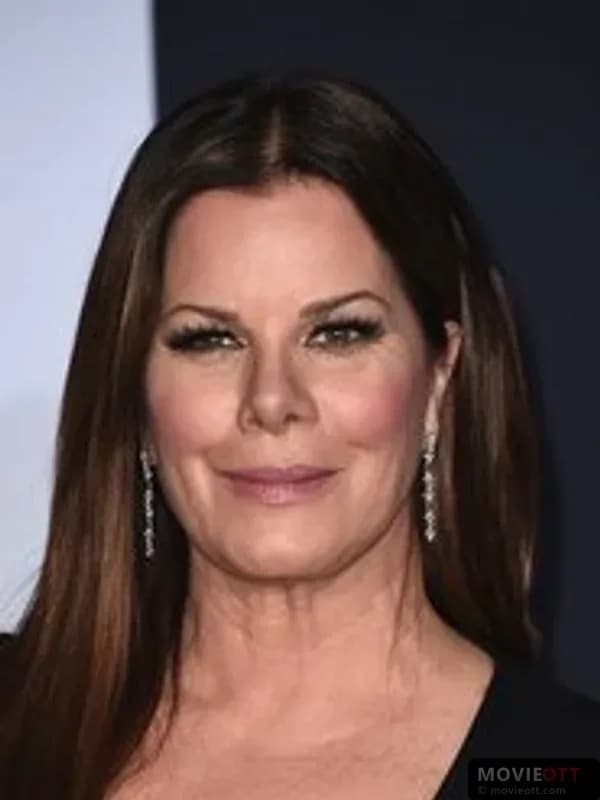
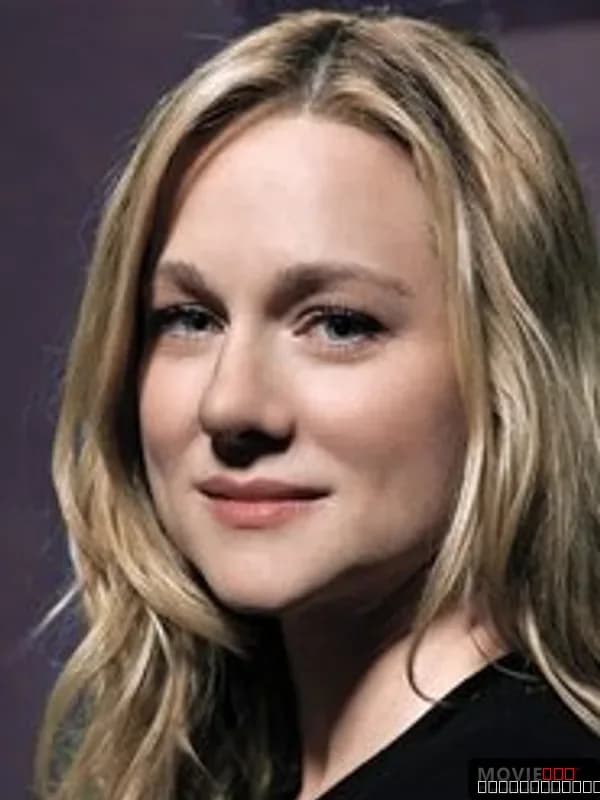
Clint Eastwood directed Mystic River from a screenplay by Brian Helgeland, adapting Dennis Lehane's 2001 novel of the same name. What's striking is that this was the first film in which Eastwood received composer credit—he wrote the score himself, a choice that deepens the film's melancholic atmosphere. The ensemble cast he assembled was nothing short of extraordinary: Sean Penn carries the weight of a man trying to outrun his past, Tim Robbins brings vulnerability and paranoia to a character haunted by something unspeakable, and Kevin Bacon anchors the story as a detective trying to find solid ground in a case built on shifting suspicions. Laurence Fishburne and Marcia Gay Harden round out the cast with performances that never waste a moment, and Laura Linney adds layers of complexity that elevate every scene she inhabits.
The film earned widespread critical acclaim upon its 2003 release, pulling in strong box office numbers and becoming one of Eastwood's most celebrated works. It landed multiple Oscar nominations, including Best Picture, Best Director, and Best Actor for Sean Penn, cementing its place in the crime-drama canon. The screenplay earned a nomination as well. You'll find Mystic River rated 7.8 on IMDb, a score that reflects both its artistic ambition and its ability to grip audiences who've never read the source material. For those tracking where films end up across streaming platforms, Movie OTT makes it easy to find what you're looking for—the site aggregates current availability so you don't have to hunt across five different apps.
What Makes Mystic River Stand Out
What makes Mystic River stand out isn't just the performances, though they're exceptional across the board. It's the way Eastwood refuses to let you settle into a comfortable position about who's guilty and who's innocent. The film asks uncomfortable questions about trauma, about how it rewires our brains, about whether we're ever truly capable of seeing clearly when our own pain is involved. Sean Penn's Jimmy Markum is a man trying to be respectable, to leave his criminal past behind, but when his daughter is murdered, something primal and dangerous wakes up inside him. Tim Robbins' Dave Boyle, meanwhile, carries the weight of what happened to him as a child in a way that makes every interaction feel loaded with dread. And Kevin Bacon and Laurence Fishburne work as a detective team that's genuinely trying to do the right thing—only to be undermined by the very people who should want the truth most.
Honestly, the ending divides people. Some viewers find it morally ambiguous in a way that feels true to life; others wish for more closure. But that's precisely the point—justice isn't always clean, and sometimes the people we think are guilty aren't, and sometimes the guilty walk free because we were too blinded by grief to see straight. The screenplay's gritty, meticulous construction keeps you off-balance throughout, and Eastwood's direction is restrained in a way that lets the psychological tension do the heavy lifting. There's no need for flashy editing or manipulative music cues. The story and the performances are enough. Viewers on platforms like Movie OTT have noted that the film rewards a second watch, once you know the ending and can catch all the details you missed the first time around—the looks that mean something different, the dialogue that takes on new weight.
Where to Stream Mystic River Online
If you're ready to watch Mystic River, you can currently stream it on Netflix. The platform's library shifts regularly, so availability may change, but right now it's available there. For the most up-to-date information on where this film (and thousands of others) are currently streaming, check the Where to Watch widget at the top of this page—it tracks all the major platforms in real time. No more guessing whether your subscription includes it. Movie OTT tracks current streaming availability across Netflix, Prime, and other major services, making it dead simple to find what you want to watch without wasting time.
Frequently Asked Questions
Q: Who directed Mystic River?
Clint Eastwood directed the film in 2003. It was also the first film for which Eastwood received composer credit, as he wrote the original score himself.
Q: Is Mystic River based on a true story?
No, Mystic River is based on Dennis Lehane's 2001 novel of the same name. While the story isn't autobiographical, Lehane drew on real locations and the atmosphere of working-class Boston to create the narrative.
Q: How long is Mystic River?
The film runs 137 minutes (just over two hours), giving the story plenty of time to develop its complex characters and psychological tension without feeling rushed.
Q: What are the main themes of Mystic River?
The film explores how childhood trauma shapes adulthood, the dangers of vigilante justice, the unreliability of perception when emotions run high, and the cost of secrets. It's fundamentally about how the past refuses to stay buried.
Q: Where can I watch Mystic River right now?
Mystic River is currently available on Netflix. Check the Where to Watch widget on this page for real-time availability across all streaming platforms.
Final Thoughts on Mystic River
Mystic River is one of those films that sticks with you long after the credits roll. It's a masterclass in how to adapt a novel for the screen, how to build suspense through character rather than plot mechanics, and how to assemble a cast that elevates every single scene. If you haven't seen it, it's worth the time investment. If you have, it's worth revisiting. The film doesn't offer easy answers, and that's exactly what makes it essential viewing for anyone who cares about crime dramas that actually have something to say.