

The Story of Napoleon: From Corsica to Saint Helena
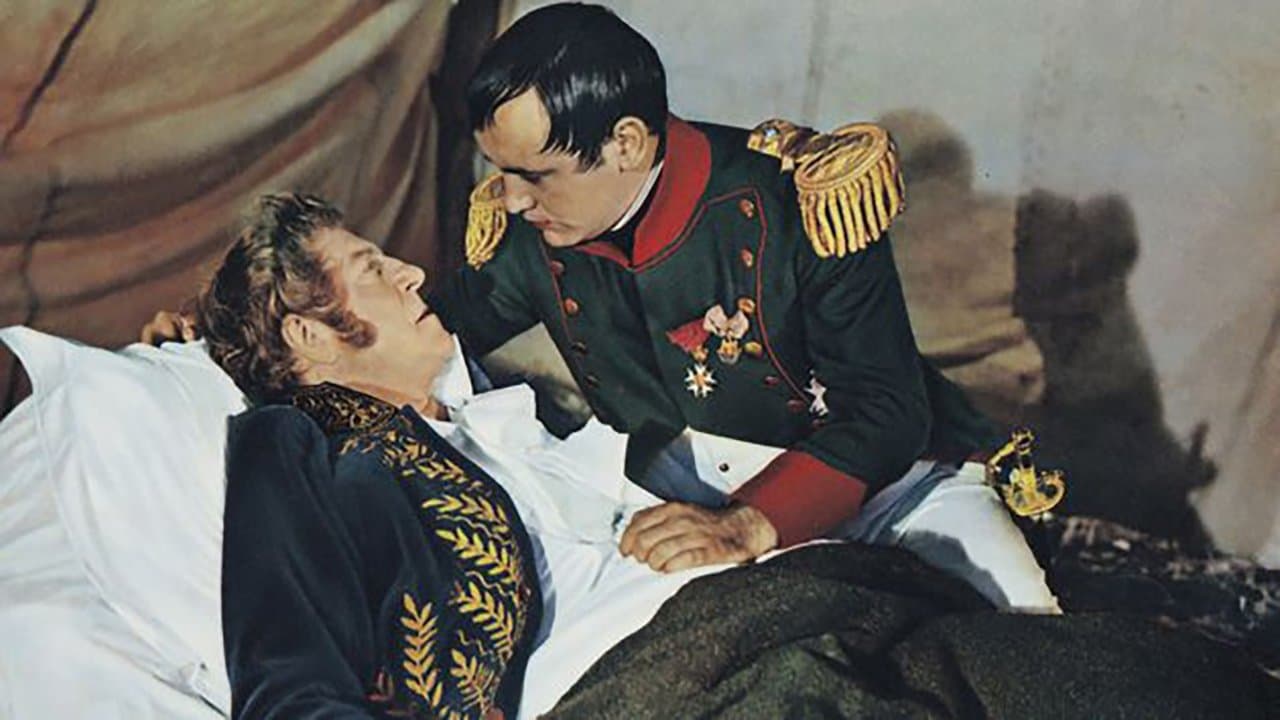
Napoleon isn't a biopic that tries to fit an empire into two hours. Instead, this 1955 French production commits to the full sweep—from his early years in Corsica through his rise as a military prodigy during the French Revolution, his reign as Emperor of France, and finally his exile on the remote island of Saint Helena. The film doesn't rush. With a runtime of 190 minutes, it's built for viewers willing to sit with history unfolding at its own pace. What's striking is how the filmmakers chose to tell this story not just through dialogue and performance, but through location itself, turning France's most storied palaces and battlefields into characters in their own right.
Behind the Making of Napoleon: Production, Locations, and Ambition
Made by a consortium of French and Italian production companies—Francinex, Courts et Longs Métrages, Filmsonor, and Rizzoli Film—Napoleon was a genuinely ambitious undertaking for mid-1950s European cinema. The filmmakers didn't settle for studio recreations or generic sets. Instead, they secured access to the Palace of Versailles, the royal estates of Malmaison and Fontainebleau, and actually filmed at historical battle sites including Austerlitz and Waterloo. That kind of location scouting and permission-securing was no small feat. The production values reflect this commitment—you can feel the weight of authentic spaces in nearly every frame. The runtime of nearly three and a quarter hours was, at the time, an unconventional choice for a dramatic feature, but the filmmakers were betting that audiences would stay for the full historical immersion. On release, the film found its audience among European cinephiles and history buffs, though it never achieved the mainstream breakout status of some contemporaries. The IMDb rating of 6.3/10 suggests a film that's respected more than it's universally beloved—the kind of picture that rewards patient viewing but doesn't necessarily grab every viewer equally.
What Makes Napoleon Stand Out: Scope, Authenticity, and Craftsmanship
The thing nobody mentions is how much restraint this film shows despite its enormous scope. You might expect a 1955 epic about one of history's most dramatic figures to lean into melodrama, but instead the film trusts its locations and the weight of actual history to carry the emotional load. The performances are measured rather than theatrical—actors aren't competing with the material; they're inhabiting it. The use of real palaces and battlefields creates something that feels genuinely grounded, even when the story ventures into the most fantastical moments of Napoleon's life. There's a scene early on where you can sense the young officer's ambition crackling beneath the surface, and that restraint makes it land harder than any amount of scenery-chewing could achieve. What's also compelling is how the film doesn't shy away from the contradictions—Napoleon as both military genius and despot, reformer and tyrant. The cinematography captures both the grandeur of Versailles and the isolation of Saint Helena with equal clarity, suggesting that neither triumph nor exile tells the whole story. I keep coming back to the fact that this film was made in the 1950s, when the Second World War was barely a decade past, and yet the filmmakers managed to examine Napoleonic ambition and its costs without falling into obvious propaganda or moral simplification.
Where to Stream Napoleon Online
Napoleon is currently available on major OTT services, and Movie OTT tracks real-time availability across platforms so you don't have to hunt through multiple apps. The specific services carrying this 1955 French production vary by region and change seasonally, so check the "Where to Watch" widget at the top of this page for the most current options in your area. Classic European cinema like this often rotates through specialty streaming catalogs and film-focused platforms alongside mainstream services. If you're serious about watching it, Movie OTT's aggregation tool will save you the frustration of subscribing to the wrong platform.
Frequently asked questions
Q: Is Napoleon (1955) based on a true story?
Yes—the film follows the actual historical life of Napoleon Bonaparte, from his birth in Corsica through his military campaigns, his reign as Emperor of France, and his final exile on Saint Helena. While dramatized, the major events and timeline are grounded in real history.
Q: Who directed Napoleon?
The 1955 Napoleon was directed by Sacha Guitry, a legendary French filmmaker and actor known for his theatrical sensibility and historical dramas. Guitry's background in French theater deeply influenced the film's pacing and approach to historical material.
Q: How long is Napoleon (1955)?
The film runs 190 minutes—just over three hours. That's a significant commitment, but it's intentional; the runtime allows the story to breathe and explore different phases of Napoleon's life without rushing.
Q: What locations were used in filming Napoleon?
The production filmed at some of France's most iconic historical sites, including the Palace of Versailles, Malmaison, Fontainebleau, and actual Napoleonic battle sites like Austerlitz and Waterloo. This location work gives the film an authenticity that studio sets couldn't replicate.
Q: Is Napoleon (1955) in color or black and white?
The film is in black and white, which was standard for most dramatic features in 1955. The monochrome cinematography actually enhances the historical feel and gives the film a timeless quality.
Final Thoughts on Napoleon
Napoleon isn't a film for everyone—it demands patience, historical interest, and a willingness to sit with a story that unfolds deliberately rather than breathlessly. But for viewers who show up ready to engage, it's a genuinely rewarding experience. The combination of authentic locations, measured performances, and real historical scope creates something that most modern biopics don't even attempt anymore. If you're looking for a classic European historical drama that treats its subject with both grandeur and nuance, this is worth your time.