

Inside the World of Network: A Blistering Media Satire
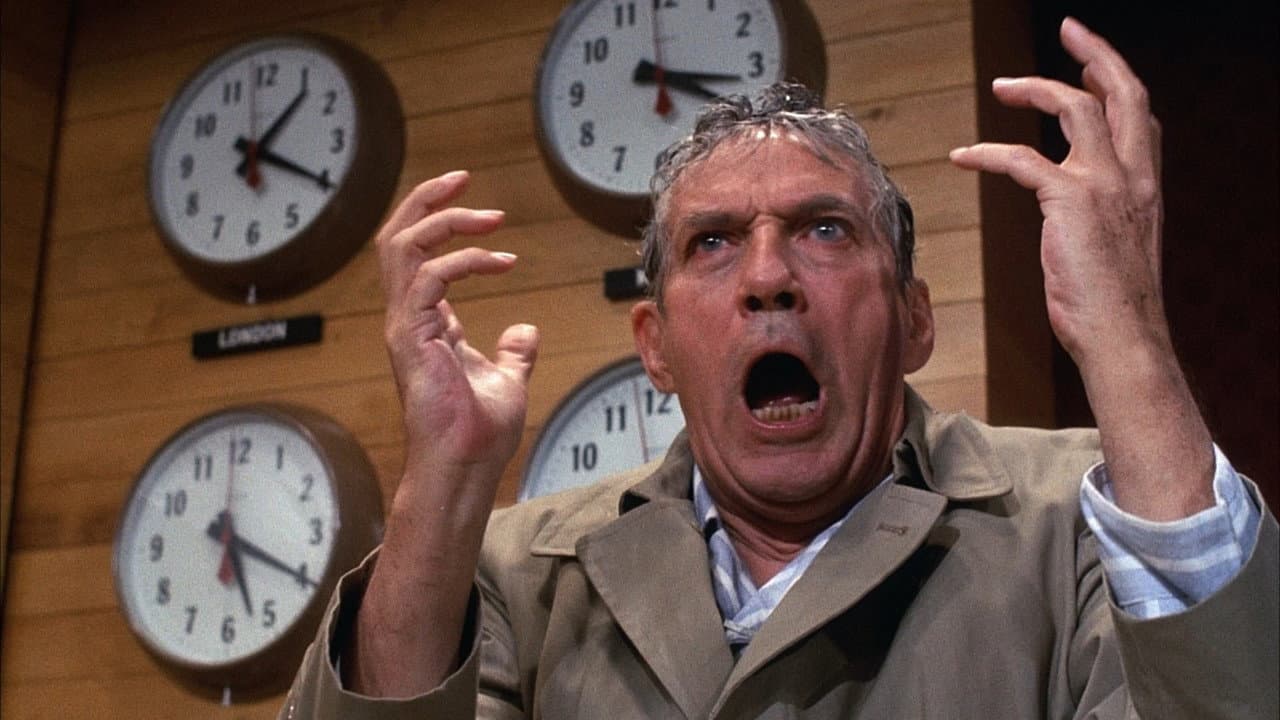
Sidney Lumet's 1976 masterpiece, Network, plunges viewers into the cutthroat world of television news, where ethics clash violently with ratings. The story begins with Howard Beale, a veteran anchorman, facing forced retirement after 25 years on the air. His age, the network's bosses decide, makes him obsolete. But Beale isn't going quietly. During his farewell broadcast, in a moment of raw, unhinged desperation, he announces to his stunned audience that he will kill himself live on national television. This shocking declaration sparks an unexpected frenzy, causing an unprecedented surge in viewership. Suddenly, the network executives, initially ready to dismiss Beale, see a lucrative opportunity in his unraveling sanity. His subsequent fanatical tirades, far from being a liability, become the cornerstone of a new, wildly popular, and deeply exploitative programming strategy, redefining what "news" can be.
The Craft Behind Network: A Lumet-Chayefsky Collaboration
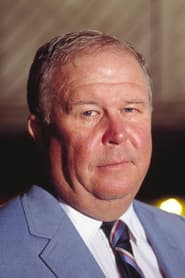
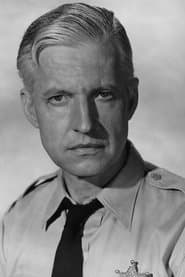
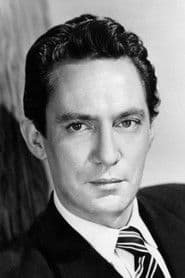
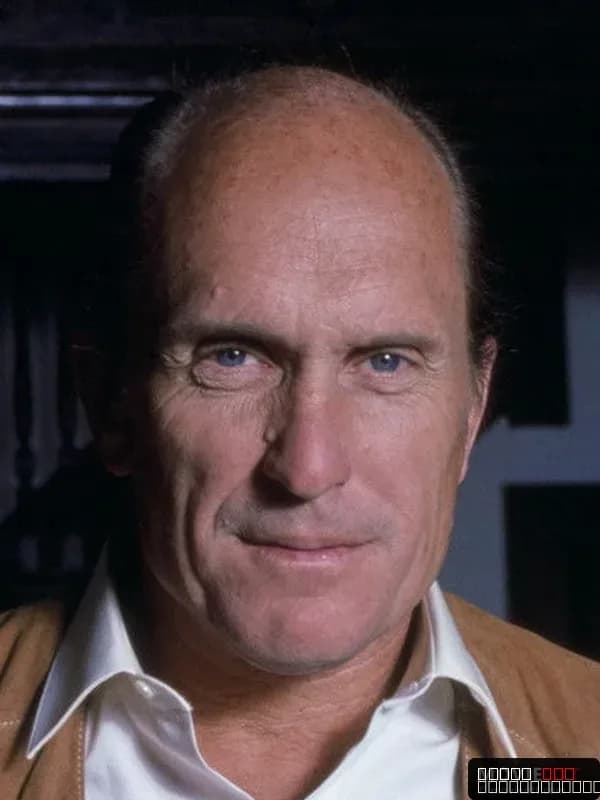
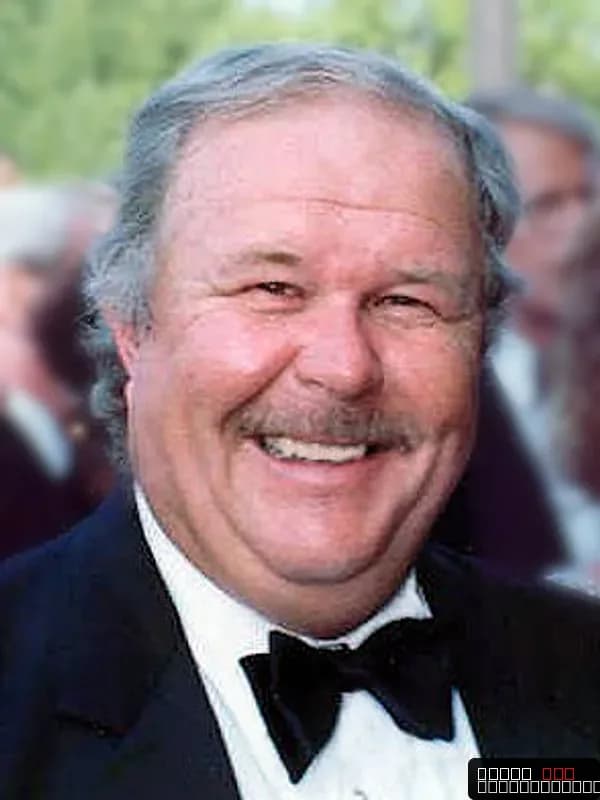
The brilliance of Network stems from the formidable partnership of director Sidney Lumet and screenwriter Paddy Chayefsky. Lumet, renowned for his incisive dramas like 12 Angry Men and Serpico, brought his signature taut direction and keen eye for social commentary to this project. Chayefsky, a master of television and film writing, penned a script so sharp and prescient that it remains a benchmark for satirical screenwriting. His dialogue — famously including Howard Beale’s iconic "I’m as mad as hell, and I’m not going to take it anymore!" — crackles with a raw, almost prophetic energy, making the film feel as relevant today as it was in 1976. This isn't just a film; it's a polemic. The film boasts an incredible ensemble cast, featuring powerhouse performances from Faye Dunaway, William Holden, Robert Duvall, Wesley Addy, Ned Beatty, and Beatrice Straight. Their collective talent truly anchors the film's often chaotic narrative, ensuring its emotional weight lands even amidst the satire. Metro-Goldwyn-Mayer and United Artists, the production houses behind this daring venture, clearly understood the potential for a groundbreaking, if controversial, piece of cinema. Clocking in at 122 minutes, Network is a lean, relentless experience that never wastes a moment. It's a testament to its enduring quality that over four decades later, it maintains a robust IMDb rating of 7.8/10, a clear indicator of its lasting impact on audiences and critics alike. Movie OTT consistently tracks how films like Network continue to draw new viewers, proving that truly great cinema transcends generations and remains vital for discussion.
Why Network Resonates: A Prophetic Look at Media Madness
What makes Network endure, even today, is its chilling prescience. Long before the age of reality TV and viral content, Paddy Chayefsky's script envisioned a media landscape where sensationalism trumped truth, and entertainment became indistinguishable from news. Viewers consistently highlight the film's almost uncomfortable relevance, often remarking on how it seems to have predicted the very fabric of our modern information ecosystem. One audience member on a popular film database, for example, called it "televisional corruption through satirical poetry," a sentiment many share. The film doesn’t just critique; it dissects the "primal forces" (as another reviewer put it) that drive viewership, showing how easily the public can be swayed by manufactured outrage and charismatic instability. Howard Beale's descent into a kind of messianic madness, culminating in his fervent plea for viewers to yell "I’m as mad as hell, and I’m not going to take it anymore!" out their windows, isn't just a memorable scene—it's a cultural touchstone. It captures a deep-seated frustration with institutions, a feeling that still echoes loudly. Honestly, the film feels less like a satire and more like a documentary from an alternate, very slightly future timeline. The performances are nothing short of legendary. Faye Dunaway as Diana Christensen, the ruthless programming executive, embodies the soulless ambition driving the network's descent, while Peter Finch as Howard Beale delivers a performance that's both pitiable and terrifying. His portrayal, in particular, is a masterclass in controlled chaos. As The New York Times famously stated upon its release, "Network is a brilliant, savage satire that hits home with terrifying accuracy." A dark mirror. This film isn't just about television; it's about the commodification of human emotion, a theme that continues to be profoundly unsettling.
How to Stream Network: Finding the Classic Online
For those eager to experience the enduring power of Network, you'll be pleased to know this seminal film is readily available across major OTT services. Its status as a cinematic classic means it often finds a home on platforms that curate highly acclaimed and historically significant titles. While specific availability can shift, we at Movie OTT work tirelessly to keep our listings current, ensuring you always know where to find your next watch. You can easily see all the platforms where Network is currently streaming by checking the "Where to Watch" widget displayed prominently at the top of this page. Whether you prefer to rent, buy, or subscribe to a service that includes it, finding Network online is usually a straightforward process, allowing you to immerse yourself in its prophetic vision of media whenever you're ready.
Frequently asked questions
Q: What is the plot of Network?
Network centers on veteran anchorman Howard Beale, who, after being forced into retirement due to his age, announces on live television that he will commit suicide during his final broadcast. This shocking declaration unexpectedly causes a massive spike in ratings, leading network executives to exploit his increasingly fanatical tirades for profit and unprecedented viewership.
Q: Who directed the film Network?
The acclaimed 1976 film Network was directed by Sidney Lumet, known for his powerful, character-driven dramas. Lumet's precise direction is a key reason why the film's satirical edge remains so sharp and impactful today.
Q: What is the official tagline for Network?
The official tagline for Network is "Television will never be the same." This tagline perfectly encapsulates the film's theme, hinting at the profound and unsettling changes it portrays within the media landscape.
Q: How long is Network?
Network has a runtime of 122 minutes. This makes it a concise yet incredibly impactful viewing experience, packing a powerful punch within its two-hour duration.
A Timeless Warning: Why You Should Watch Network
If you haven't seen Network, or even if it's been years, now's the time for a rewatch. This isn't just a film; it’s an urgent, prophetic commentary on the sensationalism and commercialization of news that feels ripped from today's headlines. It's for anyone who's ever questioned the motives behind what they see on screen or felt overwhelmed by the media circus. The performances are unforgettable, the dialogue razor-sharp, and its themes—the hunger for ratings, the blurring lines between news and entertainment, the public's appetite for outrage—are more relevant than ever. Don't miss this landmark piece of cinema. It's a vital, uncomfortable viewing experience that will leave you thinking long after the credits roll.