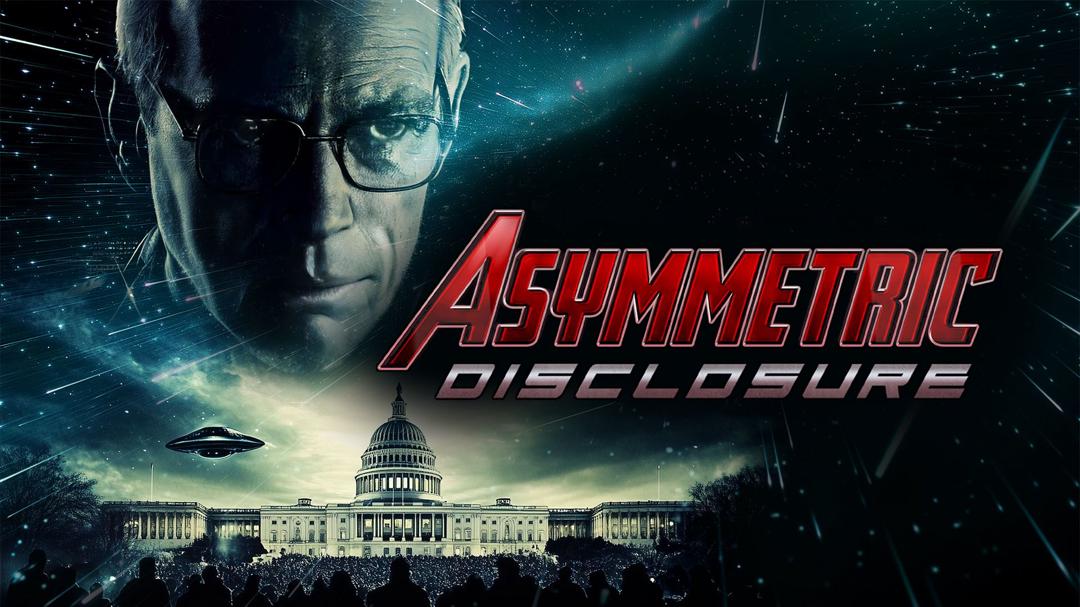
The Story of Nexus to Disclosure the Truth Is Classified
Nexus to Disclosure the Truth Is Classified operates as a window into a shadowy world most of us never see. The film follows a network of determined female journalists and activists who've made it their mission to uncover what they believe the government has long known about extraterrestrial contact. Rather than rely on conspiracy-theory rabbit holes, this documentary frames their investigation as serious journalistic work—women asking uncomfortable questions and demanding answers from institutions built on secrecy. The central premise is straightforward but provocative: there's a hidden truth about UFOs, and these researchers are willing to risk professional reputation and personal safety to expose it.
What makes the setup compelling is the focus on women leading this charge. It's a deliberate framing that shifts the typical UFO-disclosure narrative away from lone-wolf theorists toward organized, methodical inquiry. The filmmakers position their subjects not as fringe figures but as credible investigators operating within systems that actively work against transparency. Over its 101-minute runtime, the documentary builds a case—whether you find it convincing or not—that government agencies have systematically obscured evidence of phenomena they can't easily explain.
Behind the Making of Nexus to Disclosure the Truth Is Classified
Directors Blake Cousins and Brent Cousins bring a documentary sensibility to material that could easily veer into sensationalism. The pair crafted a film that prioritizes testimony and archival investigation, letting their subjects articulate their own findings rather than relying on breathless narration. This restraint is notable in a genre where dramatization often overwhelms substance.
The documentary arrived in 2025 without major festival accolades or mainstream awards recognition, which tells you something about how the industry regards UFO-disclosure content—it remains a niche space, treated with skepticism by gatekeepers. There's no MPAA rating listed, suggesting the film likely skipped theatrical release entirely and went straight to streaming platforms. That path isn't unusual for documentaries of this stripe, especially those tackling government accountability. What's striking is that the film found its way onto Prime Video, one of the largest streaming services globally, which means millions of viewers now have access to material that might've remained obscure a decade ago. Movie OTT tracks where titles like this land across the streaming ecosystem, making it easier to find documentaries that challenge mainstream narratives.
The production itself appears lean and focused—no celebrity talking heads, no Hollywood polish obscuring the subject matter. The Cousins seem committed to letting the investigation speak for itself, which is either admirable restraint or a limitation depending on your view of the material's credibility.
What Makes Nexus to Disclosure the Truth Is Classified Stand Out
Here's where opinions fracture. The documentary currently holds a 4.1/10 rating on IMDb, which immediately signals that audiences—or at least IMDb voters—found something to criticize. That's a low score, no question. But it's worth asking what that rating actually means. Is it a reflection of poor filmmaking, or does it reveal something about how audiences respond when documentaries challenge official narratives? The answer's probably both.
What's interesting is that the film doesn't shy away from its core argument. It commits fully to the premise that female investigators have uncovered genuine evidence of government UFO knowledge. Some viewers will find that commitment admirable; others will see it as confirmation bias dressed up as journalism. The documentary doesn't spend much time on counterarguments or skeptical voices—it's an advocacy piece more than a balanced inquiry, and that's a choice the filmmakers made deliberately.
I keep coming back to the fact that documentaries about institutional secrecy and cover-ups have become mainstream viewing. Whether you believe the specific claims in Nexus to Disclosure the Truth Is Classified, the broader conversation about government transparency and accountability resonates across the political spectrum. The film taps into genuine frustration with institutions that operate behind closed doors. Movie OTT's editorial team has noticed that UFO-disclosure content consistently draws viewers, even when critical reception is mixed—people are hungry for answers about what governments know and won't share.
The performances here aren't theatrical; they're testimonial. The women featured speak with conviction and specificity. Whether that conviction reflects actual evidence or elaborate narrative construction depends entirely on your epistemological stance toward the claims being made. That tension—between sincerity and skepticism—is what makes the documentary worth engaging with, even if you walk away unconvinced.
Where to Stream Nexus to Disclosure the Truth Is Classified Online
Nexus to Disclosure the Truth Is Classified is currently available on Prime Video, Amazon's streaming platform. That's your primary option for watching the film right now. The 101-minute runtime means it's a manageable evening commitment—long enough to develop its argument, short enough that attention spans won't waver. Prime Video subscribers can access it as part of their existing membership, which removes the friction of an additional paywall.
Check the Where to Watch widget at the top of this page for real-time availability across all platforms, since streaming rights shift constantly. If you're not currently subscribed to Prime Video, the film might be worth a trial month if UFO-disclosure documentaries align with your interests. Movie OTT's streaming tracker helps you find exactly which services carry titles like this one, saving you time hunting across multiple apps.
Frequently asked questions
Q: Who directed Nexus to Disclosure the Truth Is Classified?
Blake Cousins and Brent Cousins co-directed the film. The pair brought a documentary-focused approach to the material, prioritizing investigative substance over sensationalism.
Q: What is the runtime of Nexus to Disclosure the Truth Is Classified?
The documentary runs 101 minutes, making it a focused feature-length exploration of its subject matter without excessive padding.
Q: Is Nexus to Disclosure the Truth Is Classified based on a true story?
The film follows real female journalists and activists investigating government knowledge of UFO phenomena. Whether their findings constitute proven truth or compelling speculation depends on your assessment of the evidence they present.
Q: Where can I watch Nexus to Disclosure the Truth Is Classified?
The documentary is currently available on Prime Video. Check the Where to Watch widget on this page for up-to-date streaming availability.
Q: What's the IMDb rating for Nexus to Disclosure the Truth Is Classified?
The film holds a 4.1/10 rating on IMDb, indicating mixed audience reception. This low score reflects skepticism about either the filmmaking or the claims presented—or both.
Final Thoughts on Nexus to Disclosure the Truth Is Classified
Nexus to Disclosure the Truth Is Classified won't convince everyone. The IMDb score makes that clear. But dismissing it entirely misses what the film actually accomplishes: it puts a face and a voice to the argument that governments possess classified information about extraterrestrial phenomena. Whether you believe that argument is secondary to the fact that millions of people now have access to it on Prime Video. That democratization of information—even controversial information—matters. If you're curious about UFO disclosure, skeptical of government transparency, or interested in how documentary filmmaking frames contested claims, this is worth your time. Just don't expect definitive proof. Expect provocation.