
Unveiling the Chilling Tales of Night Gallery
Night Gallery, the 1969 telefilm that birthed a legendary series, invites viewers into a macabre art exhibition where each painting holds a terrifying story. This anthology pilot, originally aired on NBC on November 8, 1969, presents three distinct tales of the supernatural and the unsettlingly human. The first, "The Cemetery," plunges us into a dark inheritance, while "Eyes" crafts a desperate, sightless struggle against fate. Finally, "The Escape Route" explores a harrowing journey of a war criminal. Each segment, though distinct in its narrative, is bound by a pervasive sense of dread and the signature Rod Serling touch for twist endings and moral ambiguities. A chilling journey.
The Genesis of Night Gallery: A Star-Studded Backdoor Pilot
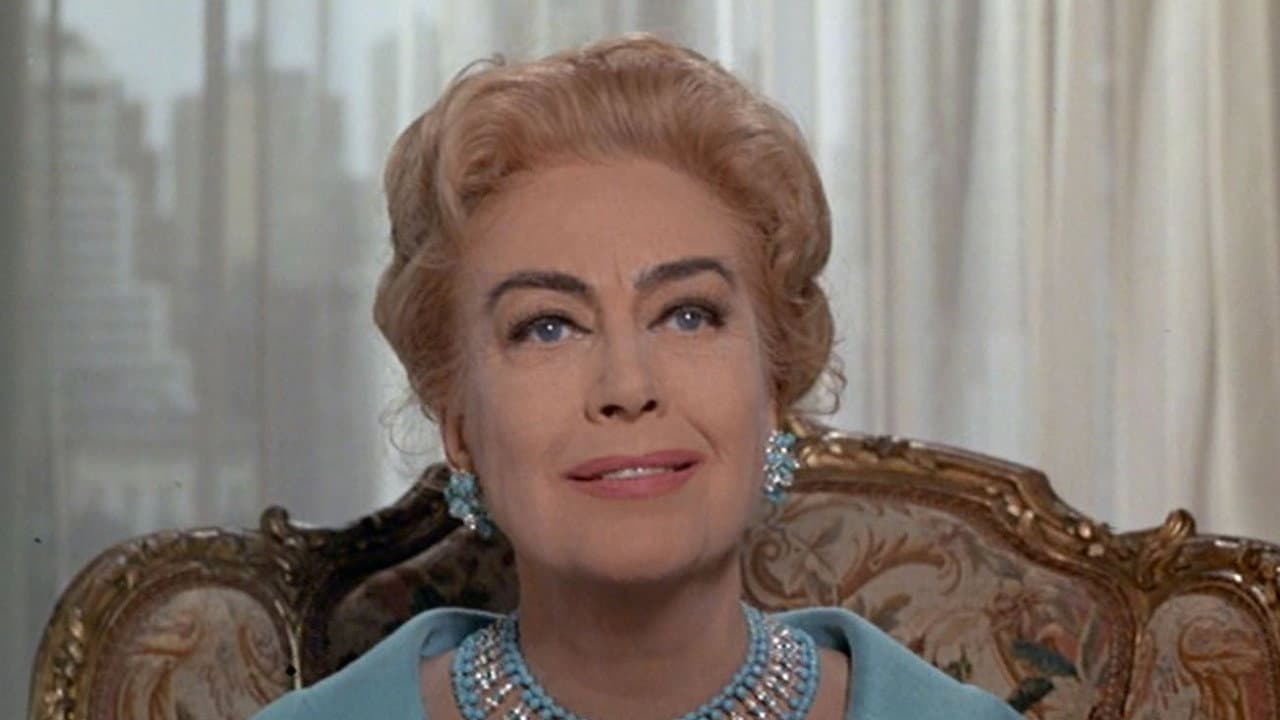
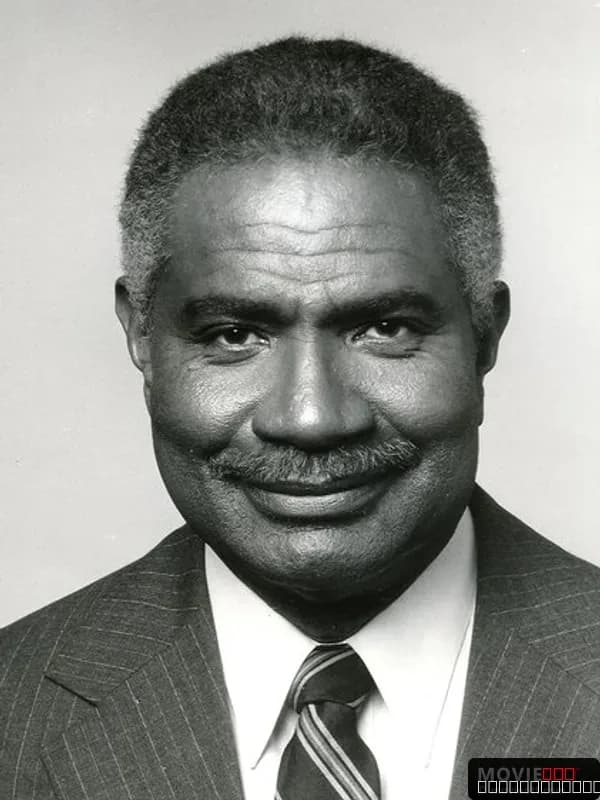
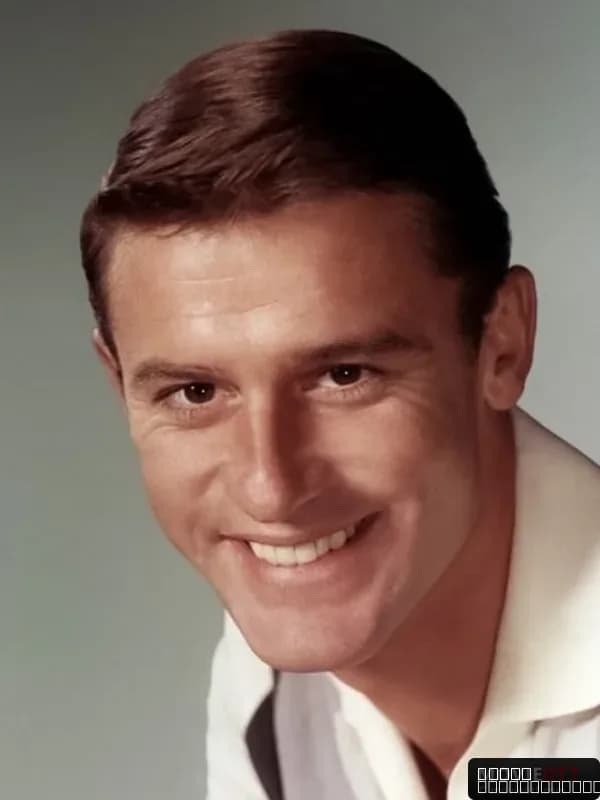
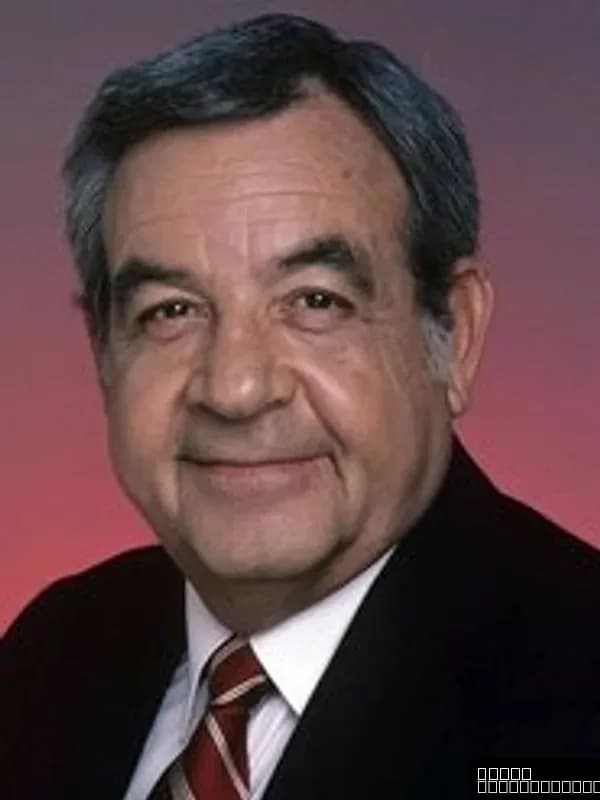
Produced by Universal Television, Night Gallery wasn't just a standalone horror film; it was a carefully crafted backdoor pilot for the television series that would premiere the following year, on December 16, 1970. The film's pedigree is undeniable, boasting a runtime of 98 minutes and a stellar cast that includes screen legend Joan Crawford, alongside Ossie Davis, Richard Kiley, Roddy McDowall, Barry Sullivan, and Tom Bosley. What's truly remarkable, though, is the directorial talent assembled, with Boris Sagal helming "The Cemetery," Barry Shear directing "The Escape Route," and Steven Spielberg's segment, "Eyes," often capturing the most attention as an incredibly early entry in his illustrious career. Rod Serling, the mastermind behind The Twilight Zone, not only hosted but also penned the script for this chilling trio of tales, earning him a well-deserved Edgar Award for Best TV Episode for his efforts. The film's ambition was clear: to bridge the gap between classic horror and a new era of televised terror. While box office figures aren't applicable for a TV movie, its IMDb rating of 6.5/10 suggests it was a solid, if not universally adored, entry into the genre, laying critical groundwork for the series to come.
Crafting Fear: Why Night Gallery Continues to Haunt
What makes Night Gallery endure isn't just its anthology format or its connection to Rod Serling; it's the precise execution of dread across its three disparate narratives. Serling’s writing, ever insightful, explores themes of greed, desperation, and the inescapable consequences of one's actions. Take "Eyes," for instance, where Joan Crawford delivers a truly compelling performance as a wealthy, blind woman who makes a Faustian bargain for a few hours of sight. Spielberg's direction here is remarkably assured for a young filmmaker — the oppressive darkness, the frantic ticking clock, the palpable tension of her fleeting vision (a truly impressive feat, honestly). Pure suspense. Critics at the time, even those who found the other segments less impactful, often singled out "Eyes" as a highlight. As one reviewer from the era reportedly observed, "Spielberg's segment is a chilling testament to the power of suggestion, a glimpse into a talent poised for greatness." The film doesn't rely on jump scares; instead, it builds an atmosphere. The very concept of the gallery, with Serling's somber introductions to each painting, creates a unique, unsettling frame for the stories. Honestly, it's Serling's presence and his knack for human frailty that truly anchors the film, elevating it beyond mere shock value. We're drawn into these characters' plights, even when they're morally compromised, because Serling understands the darkness within us all.
Discovering Night Gallery: Streaming Availability
For fans eager to experience Rod Serling's early foray into anthology horror, Night Gallery is currently available on major OTT services. This means you won't have to scour dusty video shelves to find this classic telefilm. Movie OTT, your ultimate guide to streaming, tracks its availability across various platforms, ensuring you can easily locate where to watch this piece of television history. You'll find the most up-to-date information on its streaming homes right here on this page, specifically in the "Where to Watch" widget located at the top. We're committed to helping you find your next great watch, and we've got you covered for Night Gallery. Whether you prefer to rent, buy, or subscribe, the options are out there to dive into these three strange tales. Just check the widget; it's that simple.
Frequently asked questions
Q: Who directed the segments of Night Gallery? A: The 1969 telefilm Night Gallery featured three distinct directors for its three tales. Boris Sagal directed "The Cemetery," Steven Spielberg helmed "Eyes," and Barry Shear was behind "The Escape Route."
Q: Is Night Gallery (1969) related to The Twilight Zone? A: While both Night Gallery and The Twilight Zone were created and hosted by Rod Serling, they are distinct anthology series. The 1969 film Night Gallery served as the backdoor pilot for the Night Gallery TV series, not a direct spin-off of The Twilight Zone.
Q: What is the runtime of the Night Gallery telefilm? A: The original 1969 Night Gallery telefilm has a runtime of 98 minutes. This allowed ample time to develop its three separate horror and thriller narratives.
Q: Did Night Gallery win any awards? A: Yes, Rod Serling won an Edgar Award for Best TV Episode for his writing on the Night Gallery pilot. This recognition highlights the quality of his script for the anthology film.
Final Thoughts on Rod Serling's Night Gallery
For anyone with an appreciation for classic horror, psychological thrillers, or the foundational work of cinematic legends, Night Gallery is an essential watch. It's a time capsule of 1960s television horror, offering a fascinating glimpse into Steven Spielberg's early career and showcasing Rod Serling's enduring genius for crafting suspenseful, morally complex narratives. Don't expect modern gore; this film excels in atmospheric tension and cerebral chills. It's perfect for a dark, quiet evening, especially if you enjoy thought-provoking stories that linger long after the credits roll. Movie OTT wholeheartedly recommends giving this foundational piece of supernatural television a look — it's a piece of history that still delivers.