The Story of Night of the Fox
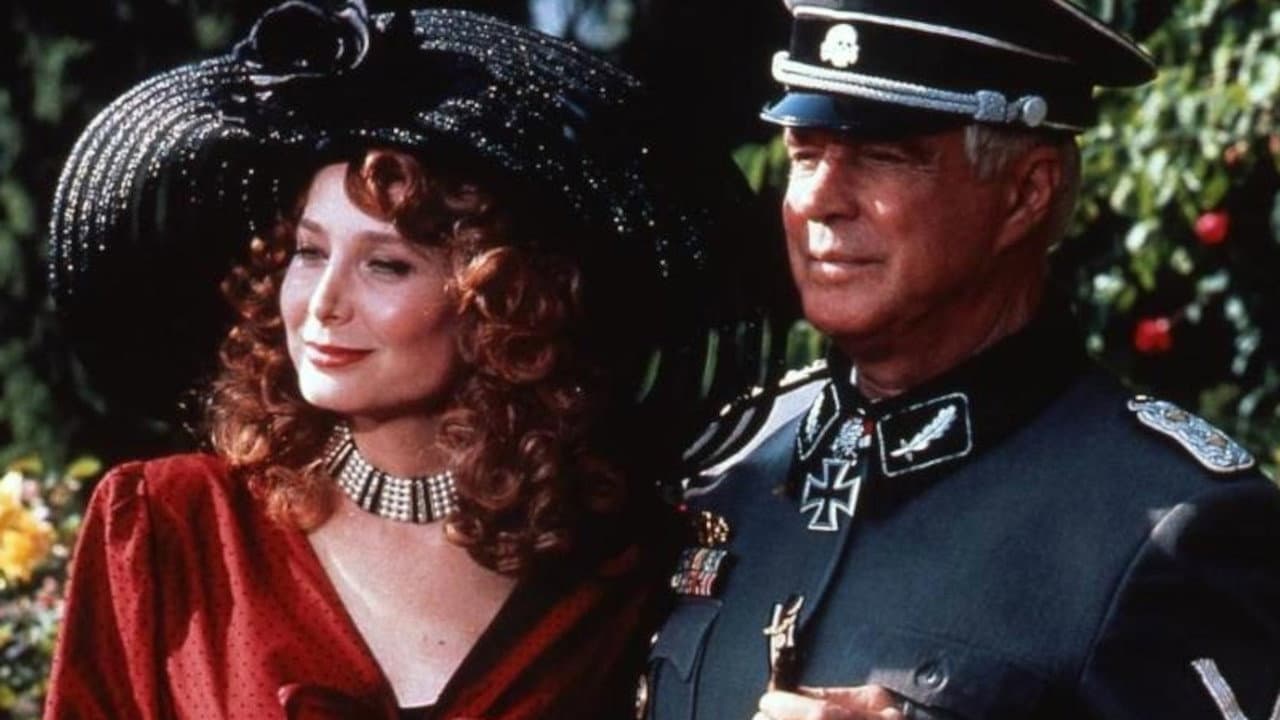
Night of the Fox opens on a premise as taut as a piano wire: a U.S. Army colonel with inside knowledge of the D-Day Invasion washes ashore behind enemy lines, and suddenly the entire operation hangs by a thread. Colonel Hugh Kelso isn't just any officer—he carries intelligence so sensitive that both the Allies and the Axis powers will stop at nothing to control him. The question isn't whether they'll come looking. It's whether the rescue team can reach him first. What unfolds is a cat-and-mouse game across occupied Europe, where every moment counts and trust is a luxury nobody can afford. The film follows special agents Harry Martineau and Sara Drayton as they assemble an unlikely team—including an Italian naval officer and a Jewish actor-turned-German paratrooper—to pull off what might be impossible.
Behind the Making of Night of the Fox
Night of the Fox arrived in 1990 as a European co-production, backed by GMT Productions, TF1, and Canal+, the kind of transatlantic funding arrangement that was becoming more common as cable networks began bankrolling prestige television and theatrical releases. The film clocks in at a substantial 188 minutes—over three hours of runtime that suggests ambition, the kind of length that demands viewers commit to the story rather than drift through it. George Peppard, already legendary for his work on The A-Team and Breakfast at Tiffany's, anchors the cast alongside Michael York, an actor with serious dramatic chops from Cabaret and The Three Musketeers. That pairing alone signals the film's intent: not a pulp action romp, but a thinking person's war picture. The production design and scope suggest a theatrical release treated with the care of a prestige war film, though the IMDb rating of 6.1 out of 10 indicates it found a more modest audience than its ambitions might have promised. Box office returns were quiet, and major awards recognition didn't materialize, but the film has accumulated a devoted following among war-movie enthusiasts who appreciate its willingness to spend time on character and moral ambiguity rather than rushing through set pieces.
What Makes Night of the Fox Stand Out
What's striking about Night of the Fox is how it refuses the easy heroics of most WWII thrillers. Here's a film that seems genuinely interested in the impossible choices these agents face—not just the tactical puzzle of a rescue, but the question of whether some secrets are worth dying for, and whether some people are worth saving at any cost. The performances anchor everything: Peppard brings a weathered gravitas to his role, while York navigates the moral complexity of a character caught between loyalties and survival. The inclusion of a Jewish paratrooper passing as German adds a layer of tragic irony that the film doesn't shy away from exploring. I keep coming back to how the movie treats its supporting cast—they're not cardboard obstacles or comic relief, but fully realized people with their own stakes in the mission. The pacing, admittedly, can feel slack to modern viewers accustomed to tighter editing; 188 minutes was a deliberate choice in 1990, a time when European television and cinema still believed audiences would sit with a story. The script, adapted from Frederick Forsyth's novel, maintains the author's trademark attention to procedural detail—the logistics of the rescue matter as much as the emotional beats, which gives the whole enterprise a documentary-like texture that lends credibility even when the plot veers toward the improbable.
How to Watch Night of the Fox Online
Night of the Fox is currently available across major OTT services, and the "Where to Watch" widget at the top of this page will show you exactly which platforms are carrying it in your region right now. Streaming availability shifts constantly, so that widget is your most reliable guide—but the good news is that a film of this pedigree and length tends to stick around on the services that pick it up. If you're browsing on Movie OTT, we track these shifts in real time, so you won't waste time searching only to find it's disappeared. The 188-minute runtime means you'll want to carve out a solid evening for this one; it's not a film that rewards distracted half-watching. Grab it when you see it available, because that's not always guaranteed for a 1990 European co-production that didn't become a household name.
Frequently asked questions
Q: Who directed Night of the Fox?
The film was directed by Charles Jarrott, a veteran television and film director known for historical dramas. Jarrott brought a measured, character-focused approach to Forsyth's source material, prioritizing tension and moral complexity over action spectacle.
Q: Is Night of the Fox based on a true story?
No, it's an adaptation of Frederick Forsyth's 1989 novel of the same name. Forsyth, famous for his meticulous research in thrillers like The Day of the Jackal, created a fictional narrative, though it's grounded in the real historical context of WWII and the D-Day planning.
Q: How long is Night of the Fox?
The film runs 188 minutes—just over three hours. That substantial runtime allows the story to breathe and develop its characters and plot twists without rushing, though it does require commitment from viewers.
Q: What's the twist in Night of the Fox?
We won't spoil it here, but the film's tagline—"It would be the greatest performance of their lives, or their last"—hints at a revelation that reframes what you've been watching. It's the kind of twist that makes you want to revisit earlier scenes.
Q: Where can I stream Night of the Fox right now?
Check the "Where to Watch" widget at the top of this page for current availability on your preferred streaming service. Availability varies by region and changes frequently, so that's your best real-time source.
Final Thoughts on Night of the Fox
Night of the Fox isn't a perfect film, and it won't appeal to everyone—especially viewers who prefer their war stories leaner and faster-paced. But if you're drawn to intelligent espionage thrillers that take their time, that trust their audience to follow procedural detail, and that care about moral shades of gray, this one's worth seeking out. The cast brings real weight to the material, and the European production values give it a different flavor than typical American war cinema. It's a film that rewards patience and attention, the kind that sticks with you long after the credits roll.