


The Story of No Choice: Nightmares That Won't Stop
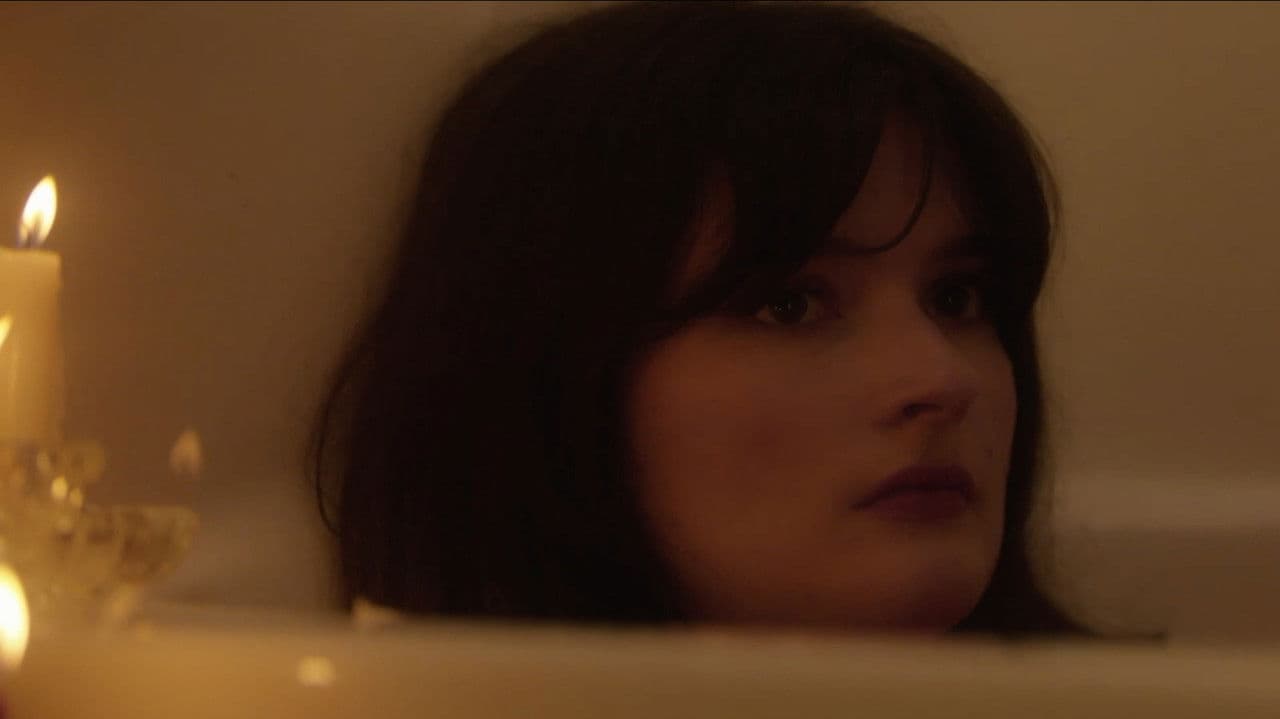
No Choice follows Amy, a young woman living in rural poverty who discovers she's unexpectedly pregnant—and then the nightmares begin. These aren't ordinary bad dreams. They're prophetic, visceral, and relentless, all carrying the same terrifying message: she will die if she can't get an abortion. What unfolds is a psychological horror that doesn't shy away from its subject matter. Instead, it weaponizes the nightmare itself as both a literal threat and a metaphor for the impossible choices women face when their bodies and circumstances collide.
The film's 95-minute runtime moves with purpose, refusing to waste time on exposition when dread is the real story. Amy becomes trapped between the horror of her dreams and the horror of her waking reality—a rural landscape where access to abortion care isn't a given, where poverty compounds every decision, and where a young woman's autonomy feels increasingly theoretical. It's a premise that could've been preachy or didactic, but instead, No Choice lets the nightmare logic do the talking.
Behind the Making of No Choice: A Directorial Debut That Takes Risks
No Choice marks the directorial debut of Nate Hilgartner, who also wrote the screenplay through his production company, Hilgartner Productions. For a first feature, it's remarkably assured—the kind of debut that doesn't feel like a director finding their footing but rather announcing their voice. Hilgartner's willingness to center the horror genre around reproductive autonomy, rather than supernatural spectacle or jump-scares, signals an artist interested in using genre conventions to explore real, lived anxieties.
Hannah Deale carries the film as Amy, delivering a performance that grounds the surreal nightmare sequences in genuine human vulnerability. The supporting cast works in service of the film's claustrophobic atmosphere—there's no room for scenery-chewing or false notes when your premise demands that audiences believe every threat. The production itself is lean and efficient, which works entirely in its favor; the indie sensibility means every dollar spent on atmosphere matters.
On the critical front, No Choice has earned a solid 7.5/10 on IMDb, suggesting the film has found an audience willing to engage with its provocative premise. Independent horror-dramas often struggle to find distribution, but this one's managed placement across major OTT services, a testament to both the film's quality and the appetite for stories that don't flinch from difficult subjects. The official tagline—"She can't wake up from this nightmare"—captures the film's central trap: the nightmare is the least of Amy's problems.
What Makes No Choice Stand Out: Performance and Unbearable Tension
What's striking about No Choice is how it refuses to separate the personal from the political. The film doesn't lecture; it doesn't pause to explain why access matters. Instead, it shows you a woman whose body has become a battleground, whose dreams have become a countdown timer, and whose survival depends on choices that shouldn't have to be this hard. That's the real horror here—not demons or ghosts, but systems and circumstances.
Hannah Deale's performance is the backbone of this. She's asked to convey terror, defiance, exhaustion, and desperation sometimes within the same scene. The nightmare sequences themselves—which I won't spoil—use visual language that feels earned rather than gratuitous. There's a specificity to the imagery that suggests Hilgartner understands how nightmares actually work: they take the real and twist it just enough to make it unbearable. The dream logic doesn't follow waking rules, and that disorientation is where the film finds its power.
What nobody mentions enough about films like this is the courage required from everyone involved—not just the director and lead actor, but the crew, the producers, the distributors willing to put this in front of audiences. Horror has always been a genre where you can explore the unspeakable (think of how The Exorcist tackled faith and doubt, or how Rosemary's Baby weaponized paranoia and bodily autonomy). No Choice continues that tradition, using nightmares and dread to ask questions that deserve asking. The film doesn't offer easy answers, and it doesn't pretend to. It just shows you Amy's impossible situation and trusts you to sit with the discomfort.
Where to Stream No Choice Online
No Choice is currently available across major OTT platforms, making it accessible whether you're a horror devotee or someone drawn to character-driven dramas that happen to use genre as their language. Movie OTT maintains a real-time tracker of where this title streams, so you can check current availability in your region without hunting across five different apps. Since streaming rights can shift, that widget at the top of this page is your most reliable source for where to watch right now. The film's indie pedigree means it's found homes on multiple services rather than being locked behind a single paywall—good news if you're already subscribed to the major players.
Frequently asked questions
Q: What is No Choice rated, and is it appropriate for all audiences?
No Choice is an unrated independent film with horror and drama elements that deal with mature themes including pregnancy, abortion, and psychological distress. It's intended for adult viewers who can engage with those subjects thoughtfully. Check the specific rating or content warnings on your streaming platform before watching.
Q: Who directed No Choice, and is this their first film?
Nate Hilgartner wrote and directed No Choice in his feature directorial debut. He also produced it through Hilgartner Productions, marking an impressive entry into filmmaking for someone willing to tackle such a provocative premise.
Q: Is No Choice based on a true story?
No Choice is a fictional work created by Nate Hilgartner, though it draws on real circumstances many women face—the intersection of poverty, reproductive access, and bodily autonomy. The horror elements are invented, but the underlying anxieties are rooted in lived reality.
Q: How long is No Choice?
The film runs 95 minutes, a lean runtime that keeps the tension tight and doesn't allow much breathing room. It's structured to move relentlessly toward its conclusion.
Q: What's the difference between No Choice and other pregnancy-themed horror films?
Most pregnancy horror films (like Rosemary's Baby) focus on external threats or paranoia about what's being done to the protagonist. No Choice inverts that—the threat isn't something being done to Amy, but rather the impossible position she's in because of what's already happened. The horror is systemic as much as it is psychological.
Final Thoughts on No Choice: Horror for the Here and Now
No Choice isn't comfortable viewing, and it's not meant to be. It's a film that uses the horror genre to ask urgent questions about bodily autonomy, access, and survival in a world where those things aren't guaranteed. Hannah Deale's performance anchors every moment, and Nate Hilgartner's directorial debut suggests a filmmaker unafraid to make audiences sit with dread and complexity. If you're looking for horror that matters—that does more than entertain, that actually says something—this one's worth your time. Stream it on one of the major platforms listed above, and prepare yourself for a nightmare you won't be able to shake.