

The Story of No Way Out
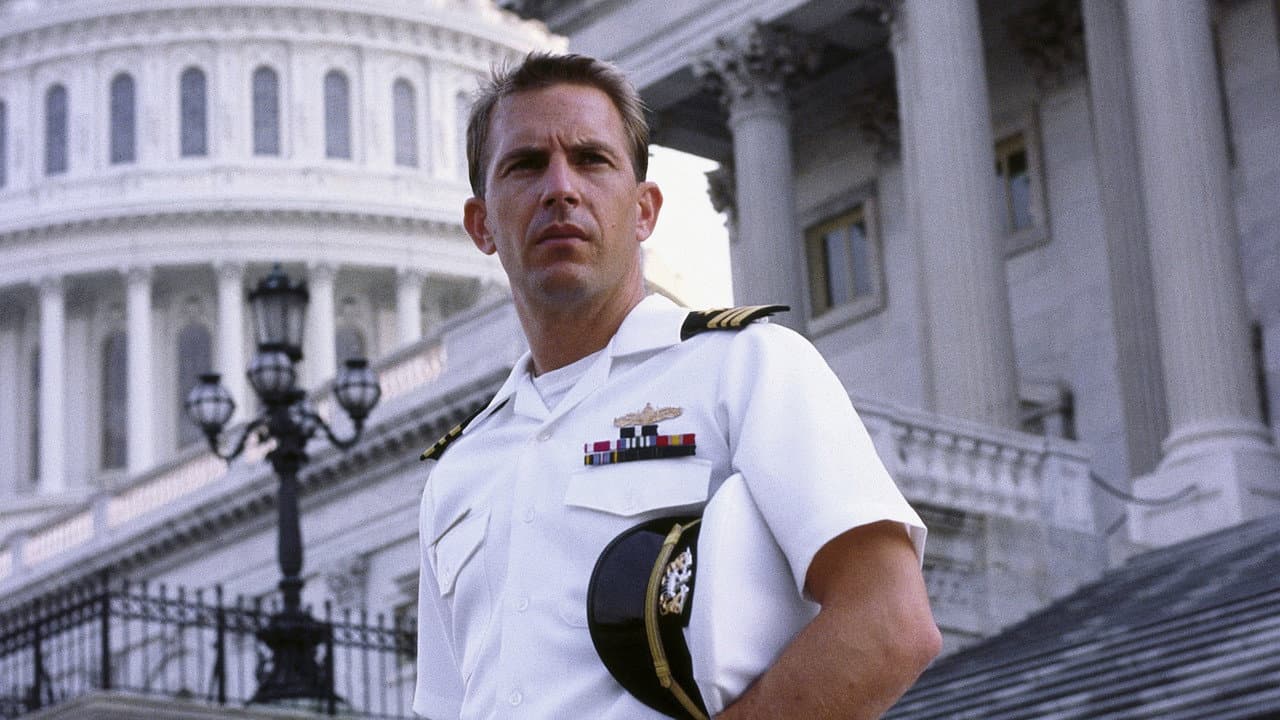
No Way Out drops you into the high-stakes world of 1980s Washington, D.C., where Navy Lieutenant Commander Tom Farrell moves through the Pentagon's corridors with quiet ambition. He meets Susan Atwell, a woman whose charm masks something darker — a dangerous moral flexibility that draws him in. Their affair burns bright but brief. Then comes the twist that unravels everything: Farrell discovers that his boss, Defense Secretary David Brice, has also been intimate with Susan. When she turns up dead, Farrell finds himself assigned to lead the very investigation that could expose him. What unfolds is a claustrophobic cat-and-mouse game where Farrell must catch a killer while keeping his own secrets buried — all while suspicion narrows around him like a noose.
Behind the Making of No Way Out
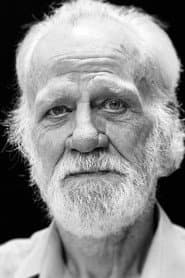
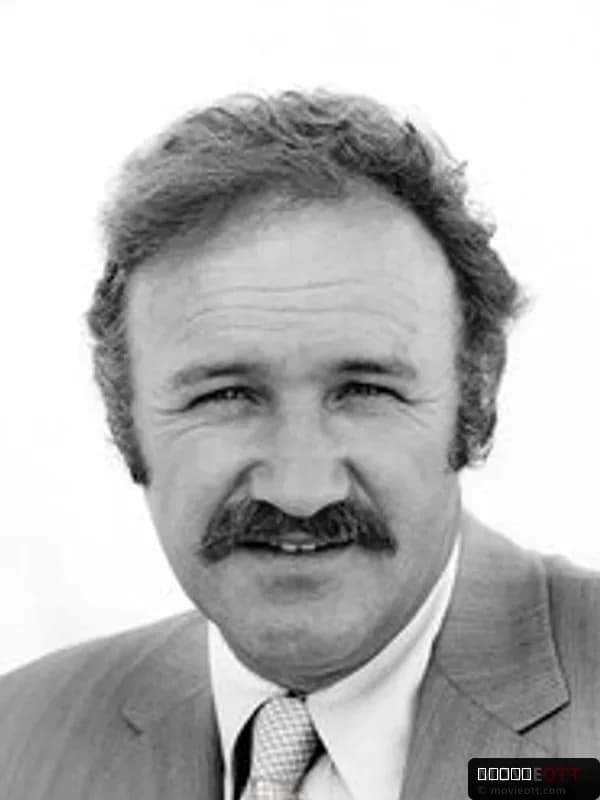
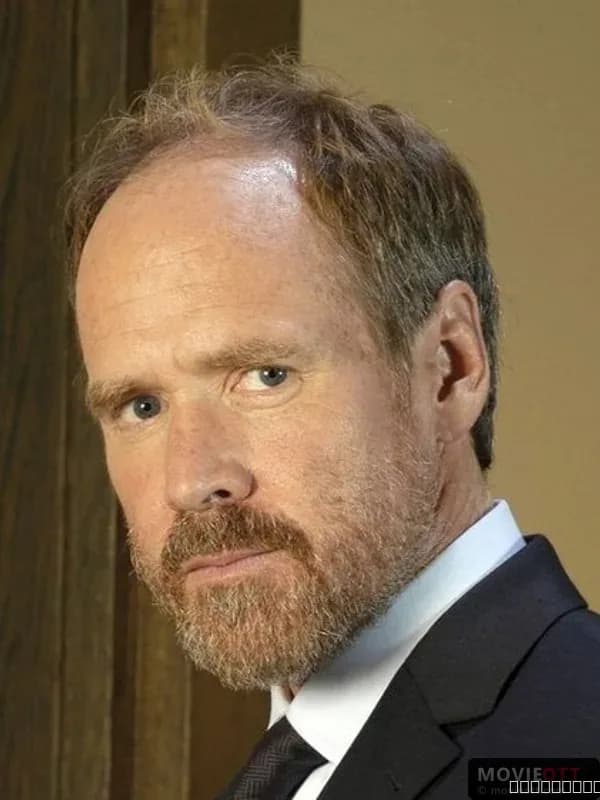
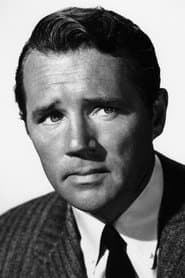
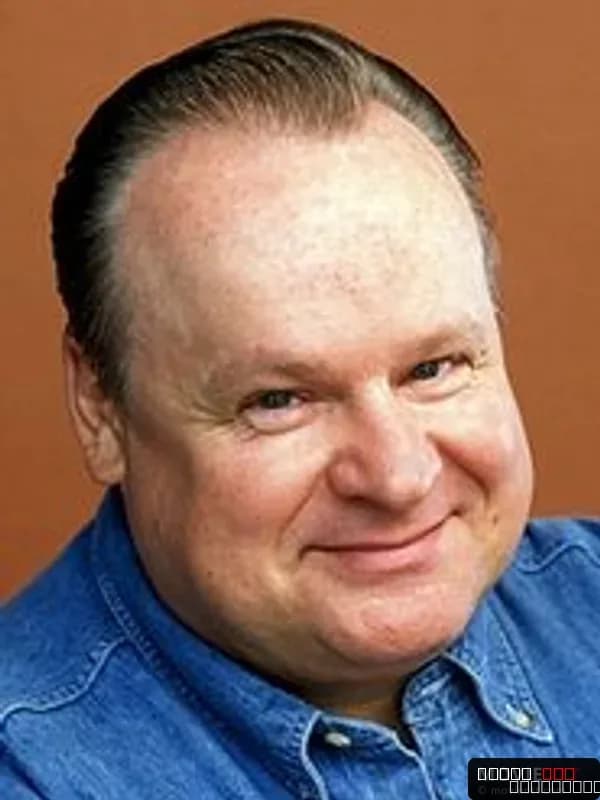
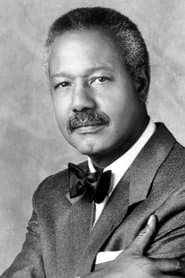
Director Roger Donaldson brought No Way Out to life as an adaptation of Kenneth Fearing's 1946 novel The Big Clock, a source material that had already been adapted twice before — most notably in the 1948 film of the same name. Screenwriter Robert Garland updated Fearing's story to the Reagan-era Pentagon, where the stakes felt fresher and more urgent. The cast assembled around Costner was formidable: Gene Hackman as the morally compromised Defense Secretary, Sean Young as the doomed Susan Atwell, and supporting turns from Will Patton, George Dzundza, Howard Duff, and Fred Thompson. Maurice Jarre composed the score while cinematographer John Alcott (who'd shot A Clockwork Orange) crafted the film's sleek, paranoid visual language. Orion Pictures released the film in 1987 to solid box-office returns — it wasn't a blockbuster, but it found its audience among thriller fans who appreciated its intelligence. The film earned a 6.9/10 on IMDb, a respectable score for a mid-budget political thriller that doesn't rely on action sequences or explosions.
What Makes No Way Out Stand Out
Honestly, what's striking is how the film manages tension through conversation and misdirection rather than spectacle. Costner gives one of his best early performances — he's not the hero here, not entirely. He's a man trying to outthink everyone in the room, and you watch the strain of that calculation wear on his face. Gene Hackman, meanwhile, plays Brice with the kind of coiled menace that comes from someone used to power; he doesn't need to raise his voice to terrify. The script's real genius is how it keeps you guessing. You don't know who's lying, who's guilty, or whether Farrell can actually pull off what he's attempting. That uncertainty — that sense that the investigation could veer in any direction — is what keeps you watching even when you think you've figured it out. There's a famous computer sequence near the end that, while dated by today's standards, still lands because the stakes are so clearly defined. The film doesn't waste time with romance scenes or character backstory; it trusts you to follow the logic of the plot and the psychology of men under pressure. I keep coming back to how it captures institutional paranoia — the way bureaucracy becomes a weapon, the way loyalty and self-preservation collide.
Where to Stream No Way Out Online
No Way Out is available across major OTT services, and you can check the Where to Watch widget at the top of this page to see exactly which platforms are currently carrying it in your region. If you're a subscriber to the major streaming services, there's a good chance you can find it without hunting too hard. Movie OTT tracks real-time availability across Netflix, Prime Video, and other platforms, so you'll know instantly where to catch it rather than bouncing between apps. The film's 114-minute runtime makes it a perfect evening watch — long enough to feel substantial, short enough that you won't be checking the clock.
Frequently Asked Questions
Q: Is No Way Out based on a true story?
No. It's adapted from Kenneth Fearing's 1946 novel The Big Clock, a work of fiction. That said, the film's Cold War paranoia and Pentagon politics were very much rooted in the anxieties of 1987 — the Reagan era when such institutional suspicion felt plausible.
Q: Who directed No Way Out?
Roger Donaldson directed the film. He'd go on to direct Cocktail and The World Is Not Enough, but No Way Out remains one of his tightest, most controlled thrillers.
Q: How long is No Way Out?
The film runs 114 minutes, making it a lean thriller that doesn't overstay its welcome. It's structured to move, and most viewers won't feel the runtime.
Q: What's the famous ending twist in No Way Out?
Without spoiling it entirely — there is a significant reveal in the final act that recontextualizes much of what came before. It's the kind of ending that makes you want to immediately rewatch the film with fresh eyes, which speaks to the screenplay's construction.
Q: Why was No Way Out remade or adapted so many times?
Kenneth Fearing's The Big Clock is a remarkably sturdy narrative framework — a man caught in a murder investigation where he's both hunter and hunted. The premise works in any era because institutional power structures and paranoia are timeless. The 1948 version emphasized noir conventions, the 1976 French version (Police Python 357) went its own way, and Donaldson's 1987 take updated it for the Cold War moment.
Final Thoughts on No Way Out
No Way Out isn't a film that screams for attention. It doesn't have the cultural footprint of a Top Gun or the critical canonization of a Platoon (both 1986 releases). But it's a smart, tightly wound thriller that respects your intelligence and doesn't apologize for its complexity. If you're looking for a film that captures the paranoia of institutional power — where everyone's got an angle and the truth is just another weapon — this is it. Whether you're discovering it for the first time or revisiting it, No Way Out delivers the kind of satisfaction that comes from a well-constructed plot and performances that understand the cost of ambition.