

Nostalgia for a Future That Could Not Be
Runtime: 61 minutes | Year: 2026 | Production: Flores de Verano, Casa Vermella, ESCINE | Current Rating: No IMDb score yet
The Setup: A World Without Love
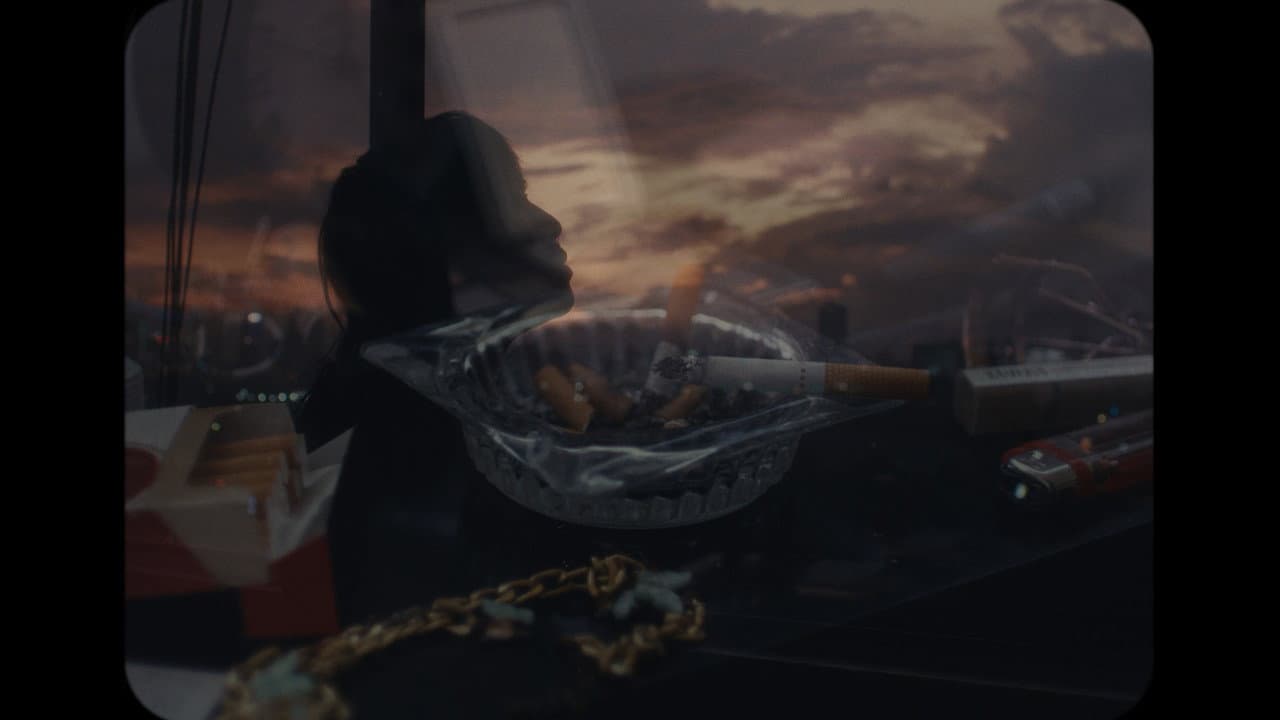
Here's the premise in its starkest form: humanity has forgotten how to love, and nobody's quite sure how it happened. Tetsu, the film's protagonist, feels the absence before she understands it—a longing for something she can't name, a hollow where an emotion used to live. A witch (neither fully mythical nor fully real) guides her toward three strange beings who've somehow retained the knowledge of love. What follows isn't a conventional story. Memory bleeds into fantasy. Fantasy dissolves into something that might be fever dream. By the end, you're genuinely uncertain what Tetsu actually witnessed and what she reconstructed from grief.
That ambiguity works. It's not a flaw masquerading as depth—it's the entire point.
Why This Film Matters: The 61-Minute Advantage
Most films about emotional numbness fail because they become numb themselves. Cold. Punishing. This one doesn't. What's striking is how Tetsu's encounters with the three beings are staged with genuine tenderness despite their weirdness—each one functions almost like a short film within the feature, with its own internal logic and emotional register. The witch especially. She could tip into whimsy or mystical portentousness, but the filmmakers understand that she works best as a structural device, not a character to be explained. She points. She steps back. That restraint matters.
The runtime isn't a limitation—it's a sharpening tool. Sixty-one minutes means there's no room for padding, no subplot to retreat into. You stay with Tetsu's disorientation the entire time. It's a survival skill, almost. Love treated as something a civilization lets go fallow, not romantic but practical.
Production Background: Where This Came From
The film's a co-production between three entities: Flores de Verano, Casa Vermella, and ESCINE (Escuela Superior de Cine). That last name matters—ESCINE is Spain's film school, and its involvement signals a project rooted in formal education where directors get encouraged to take structural risks that purely commercial productions would sand down. Both Flores de Verano and Casa Vermella have track records with intimate, formally adventurous work. This project fits that sensibility exactly.
As of now, the film carries no IMDb user rating, which tells you something about how recently it's entered wider circulation. No massive theatrical footprint. No reported box office. Festival trajectory remains to be seen—though ESCINE-adjacent productions have previously found traction on the festival circuit before streaming releases. Hard to say if this one will follow that path. Movie OTT's tracking data has been following its availability as it rolls out across streaming platforms, which at least makes it easier for audiences outside its original release territory to find it.
Where to Watch—And How Availability Works
Nostalgia for a Future That Could Not Be is currently available on major OTT services. The where-to-watch widget at the top of this page lists every service carrying it in your region and updates whenever availability shifts—which it will. Streaming rights for arthouse titles like this don't stay put. What's on one platform this month may migrate to another within weeks. Movie OTT tracks these changes in real time, so you're not relying on a cached search result that's already stale by the time you read it.
If you're outside a primary English-language streaming market, regional availability may vary—but the platform's filtering tools will show you what's actually accessible where you are.
The Audience Question: Is This For You?
This one's for patient viewers. Not slow-cinema-as-punishment patient—the kind who'll let a film find its own rhythm without demanding conventional narrative scaffolding every ten minutes. If you've responded to work by Apichatpong Weerasethakul or early Lynne Ramsay, the sensibility here will feel familiar in the best way. The film's melancholy. Quietly insistent. Strange.
At 61 minutes, the commitment isn't enormous. You're not signing up for a four-hour durational piece. Give it an hour. That's all it asks.
FAQ
Q: Where can I actually watch this right now?
Check the where-to-watch widget at the top—it shows every platform carrying it in your region and updates as availability changes.
Q: How long is it?
Sixty-one minutes. That's deliberate. Long enough to breathe, short enough to feel urgent.
Q: Who made it?
Three companies: Flores de Verano, Casa Vermella, and ESCINE (Spain's national film school). The school's involvement connects it to a tradition of formally adventurous filmmaking that prioritizes artistic risk over commercial palatability.
Q: Is it based on anything?
Nothing in the production information suggests an adaptation. The premise—a world where love's been forgotten, and one woman's quest to recover it—reads as original, though the witch-and-journey structure pulls from deep folkloric traditions.
Q: What's the IMDb rating?
As of now, it hasn't accumulated enough votes for a public score. That's typical for very recent arthouse titles. Movie OTT will update its listing as critical and audience scores become available.
Q: Is it family-friendly?
That depends entirely on what you mean by that. It's not violent or explicit. It's also not a children's film. It's a meditation on emotional absence that works best with adult attention spans.
What to Do Next
Stream it this week if you've got the hour. Don't expect clarity or resolution—expect a film that trusts you to sit with uncertainty. The thing about films like this is they don't announce their meaning. They let it accumulate quietly. Only after it's over do you realize what you've been watching.