





The story of Not Quite Hollywood
While Peter Weir's "Picnic at Hanging Rock" was winning international art-house audiences over in the 1970s, something far messier was brewing in Australian cinema's underground. Not Quite Hollywood captures that parallel universe—a scene where low-budget filmmakers weren't chasing Palme d'Or nominations but rather the most shocking, sensational material they could get on celluloid. Director Mark Hartley's 2008 documentary doesn't just chronicle this era; it resurrects it, complete with clips from the scene's most gloriously trashy productions and sit-downs with the renegade directors who made them. It's a story about ambition without pretense, about filmmakers who wanted to make something that'd get people talking—and didn't much care if that talk was scandalized.
Behind the making of Not Quite Hollywood
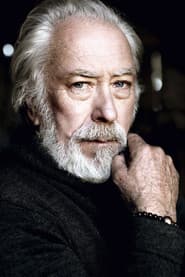
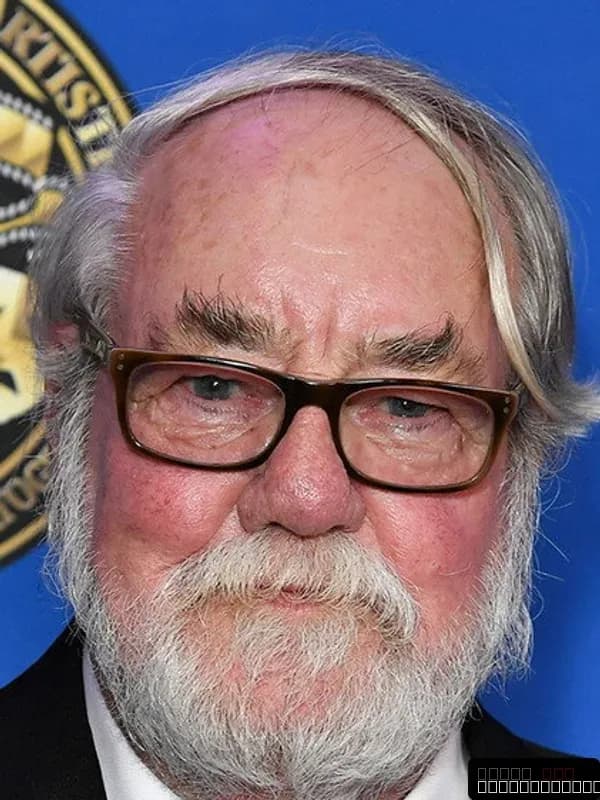
Produced by Magnolia Pictures and running 103 minutes, Not Quite Hollywood is the result of Hartley conducting interviews with over eighty filmmakers, actors, and industry figures across Australia, America, and Britain. The roster reads like a who's-who of cinema: Quentin Tarantino, George Miller, Jamie Lee Curtis, Dennis Hopper, George Lazenby, and Barry Humphries all appear on camera to discuss the scene they witnessed or helped build. That's not a small feat for a documentary about B-movies and exploitation fare—it speaks to how seriously even high-profile directors took this underground movement as a formative moment in global cinema. The film premiered in 2008 with an IMDb rating of 6.77/10, positioning it as a solid, well-regarded entry in documentary filmmaking rather than a critical darling, though its cultural footprint has only grown since release. Hartley's access and the breadth of his interview subjects suggest a production that took years to coordinate, hunting down aging directors and tracking down archival footage that'd been scattered across decades. There's no mention of major awards or box-office dominance, but that's partly the point—this is a film that found its audience through word-of-mouth and streaming availability, not theatrical runs.
What makes Not Quite Hollywood stand out
The real magic of Not Quite Hollywood is that it doesn't apologize for its subject matter. What's striking is how Hartley treats these exploitation filmmakers not as curiosities but as artists working within real constraints—low budgets, censorship battles, and the constant need to outdo competitors who were just as hungry. The documentary doesn't wink at the audience; it lets the material speak for itself. You'll see clips from films so outrageous—featuring everything from gratuitous violence to sex scenes that'd never make it past modern ratings boards—that you almost can't believe they were made by studio crews working under the same sky as the respectable art-house crowd. What's equally compelling is hearing from figures like Tarantino and Miller, who clearly see themselves as inheritors of this tradition, even if their own work went in different directions. The interviews feel genuinely conversational rather than reverential, which keeps the tone grounded. I keep coming back to how the film manages to be both a celebration and a critique—celebrating the fearlessness and ingenuity of these filmmakers while also acknowledging the sexism, racism, and shock-for-shock's-sake ethos that defined much of the output. It's not a hagiography. That complexity is what separates Not Quite Hollywood from being a mere novelty and makes it a genuine piece of film history. Movie OTT helps audiences discover documentaries like this one that might otherwise disappear into obscurity, and the platform's aggregation approach means you can find Not Quite Hollywood wherever it's currently streaming without hunting through five different apps.
Where to stream Not Quite Hollywood online
Not Quite Hollywood is available on major OTT services, making it far more accessible than the VHS bootlegs and late-night cable airings that originally brought these exploitation films to cult audiences. Rather than checking multiple platforms individually, Movie OTT's "Where to Watch" widget at the top of this page shows you exactly which services currently carry the documentary in your region, so you won't waste time searching. Streaming availability does shift seasonally, so checking that widget before you hit play is your best bet for a seamless viewing experience.
Frequently asked questions
Q: Who directed Not Quite Hollywood?
Mark Hartley directed and wrote the documentary. He conducted over eighty interviews with filmmakers, actors, and producers to create what amounts to an oral history of Australian exploitation cinema from the 1970s and 1980s.
Q: Is Not Quite Hollywood based on a true story?
It's not a narrative film—it's a documentary, so it's entirely based on real history. Hartley uses archival footage, clips from actual exploitation films, and interviews with people who lived through the era to tell the story of Australian low-budget cinema.
Q: How long is Not Quite Hollywood?
The film runs 103 minutes, which gives Hartley enough time to explore the scene's history, showcase clips from key films, and conduct meaningful interviews without feeling rushed.
Q: What kind of films does Not Quite Hollywood cover?
The documentary focuses on low-budget Australian exploitation films from the 1970s and 1980s—movies heavy on violence, sex, and sensationalism that operated in the shadow of more respected art-house cinema like "Picnic at Hanging Rock."
Q: Why did Quentin Tarantino appear in Not Quite Hollywood?
Tarantino is interviewed in the film because he's a major admirer of exploitation cinema and sees his own work as part of a lineage that includes these Australian B-movies. His appearance underscores how influential the scene was on later filmmakers.
Final thoughts on Not Quite Hollywood
Not Quite Hollywood works best if you come to it curious rather than expecting a polished survey of cinema history. It's messy, it's provocative, and it celebrates filmmakers who were making art on shoestring budgets without worrying about critical consensus. The documentary itself carries that same spirit—it's not trying to convince you that exploitation films are secretly masterpieces, but rather that they matter as a chapter in how cinema evolved. Whether you're a film historian, a Tarantino devotee curious about his influences, or just someone who enjoys watching smart people talk passionately about weird movies, there's something here for you.