Notes from the Underground
Release: 2026 | Runtime: 89 minutes | Genres: Documentary, Music | Where to watch: Check Movie OTT's streaming tracker for current platform availability
What you're actually watching
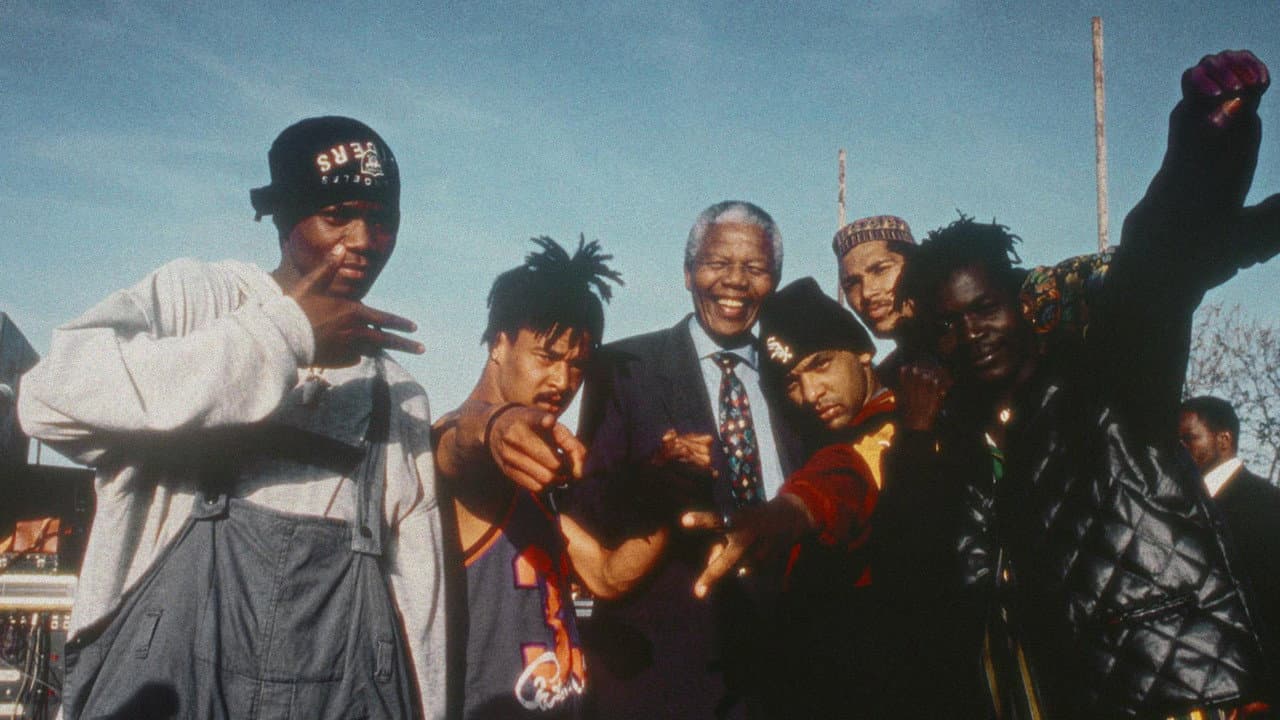
Notes from the Underground is a 2026 documentary about Cape Town's underground hip-hop scene — but not as you'd expect. This isn't a concert film or a greatest-hits retrospective. It's a cross-generational oral history that treats rhythm, resistance, and mentorship as a functioning education system. When formal institutions fail a community, people build their own. That's the film's entire argument, and it's devastating.
The 89-minute runtime moves deliberately. You'll hear from the elders who started the scene in its earliest days, then listen as younger voices echo back what they learned — not just techniques, but a whole survival philosophy. One sequence shows an older MC explaining a rhyme scheme, and an unprompted younger artist finishes his thought. Quiet. True. It lands harder than any manufactured moment could.
Why the title matters (and why you shouldn't dismiss the literary connection)
Anyone familiar with Dostoevsky's Notes from Underground will catch the intentional echo. That novella's underground man refuses absorption into a system that doesn't see him — and Cape Town's hip-hop underground operates on identical logic: visibility on your own terms, or not at all. The 1995 film adaptation of Dostoevsky's text also ran 88 minutes and concerned itself with an outsider recording testimony. One minute longer, same instinct. Whether that's a nod from the filmmakers or coincidence, I can't say for certain.
The title carries weight. It signals that this documentary isn't treating its subjects as entertainers but as historians — people documenting their own survival.
The structure that makes this work
What's striking is the film's refusal to romanticize poverty. That's the trap most music documentaries fall into — the idea that hardship is creativity's secret ingredient, that suffering produces art in some clean redemptive arc. Notes from the Underground is more honest than that. These voices describe a community that built something despite conditions, not because of them. There's a real difference, and the film holds it carefully.
The oral history format does the structural heavy lifting. By weaving multiple generations together — early builders alongside those who inherited the scene — the film creates living continuity. You feel mentorship happening in real time, not just being described. The editing discipline matters too: at 89 minutes, nothing overstays. That restraint signals filmmakers who trusted their material enough not to underline every point. According to Movie OTT's editorial coverage, this approach positions it as one of the more formally assured music documentaries in recent memory — precisely because it earns emotional moments rather than manufacturing them.
Where to actually watch it
Notes from the Underground is available on major OTT platforms. Your best move: check Movie OTT's where-to-watch widget for live availability across Netflix, Amazon Prime Video, and others — streaming rights shift constantly, and that tracker updates in real time.
Watch it in one sitting if you can. The cumulative weight of the testimonies matters. Breaking it up risks losing the thread of continuity that the editing works hard to build.
The questions people actually ask
Should I watch this? Yes — especially if you care about music history, urban documentary filmmaking, or how communities sustain themselves when official systems look away. But it's worth watching even if none of that's your usual lane. The themes of mentorship and knowledge-passing have much wider reach than the specific Cape Town setting suggests.
Is it long? No. Eighty-nine minutes is tight for a documentary of this scope. You can commit to it.
Is this a dramatization or the real thing? Real. It's grounded in actual oral histories from Cape Town's underground hip-hop community — interviews with genuine participants across multiple generations of the scene. Non-fiction, not adaptation.
Will I like it if I'm not into hip-hop? Probably. The film's about mentorship, resistance, and how knowledge passes between generations. Hip-hop is the vehicle, not the destination.
Why this matters right now
I keep coming back to one thing: the film doesn't ask for your sympathy. It asks for your attention — and then it earns it, methodically, across those 89 minutes. For anyone wondering how communities actually sustain themselves when official systems look away, this film offers a specific answer rooted in Cape Town's actual streets: you build your own. In rhythm. In mentorship. One verse at a time.
Don't sleep on it.