


O Horizon
What O Horizon Actually Asks
O Horizon centers on Abby, a neuroscientist who processes her father Warren's death the way many scientists handle pain — by burying it. Work becomes her default answer to everything. Then Sam, a computer programmer with more ambition than caution, arrives with an offer: experimental technology that can reconstruct Warren as a digitized presence. Someone Abby can actually talk to again.
The film doesn't treat this as a miracle. It treats it as a question — whether grief is a problem you solve in a lab, or an experience you simply survive. And here's what matters: it doesn't resolve cleanly. Not in 107 minutes. Probably not ever.
Release date: June 12, 2026 (limited theatrical) | Runtime: 107 minutes | IMDb rating: 7.3/10
Maria Bakalova Carries This Entire Film on Subtlety
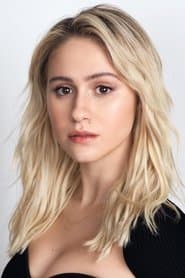
Maria Bakalova plays Abby in a register that's quieter than anything she's done since her Oscar nomination for Borat Subsequent Moviefilm. This isn't performance in the traditional sense — it's interiority. She doesn't explain herself. She deflects, works, avoids. And watching someone avoid grief is a specific kind of acting challenge that not everyone can pull off without making the character seem cold or distant.
There's an early scene where Abby interacts with Dorey, the lab monkey she works with. Something in that exchange — the care she extends to an animal while withholding it from the people around her — says more about who she is than dialogue ever could.
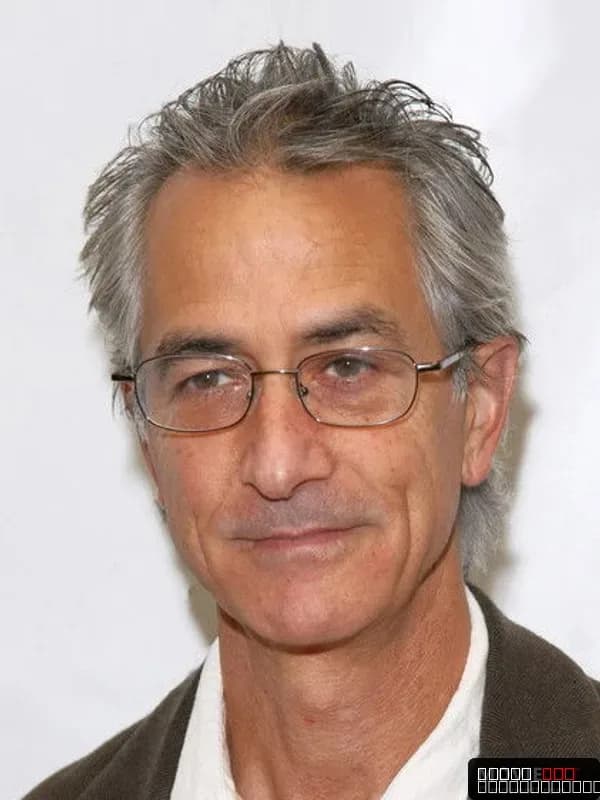
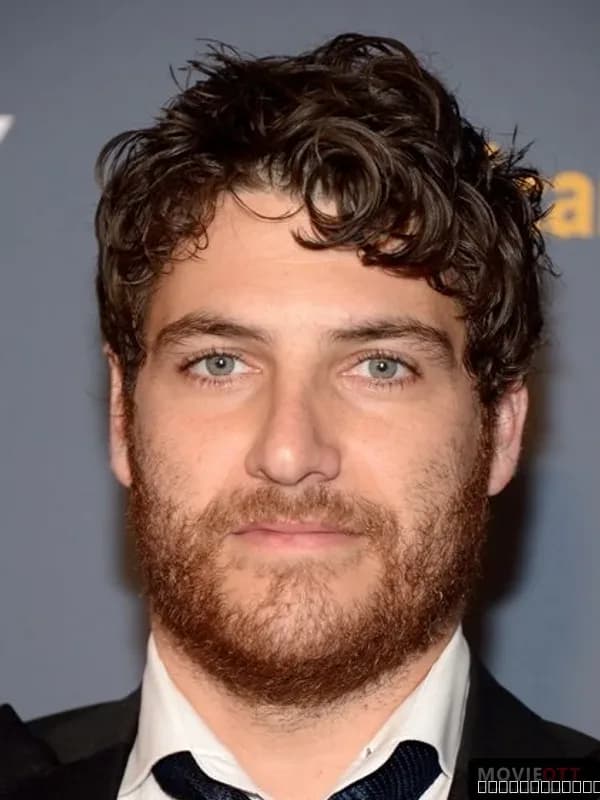
David Strathairn plays Warren, and he's doing something genuinely unusual: embodying a man who exists partly in memory and partly as digital reconstruction. His work is measured, still, the kind of quiet that makes you feel the absence even when he's present. Adam Pally rounds out the core trio as Sam, and according to We Live Entertainment's review from SBIFF 2025, the film handles his character with more warmth than the premise might suggest. Supporting cast includes Maggie Grace, Avi Nash, Paulina Porizkova, and Alysia Reiner.
Madeleine Sackler Brings Documentary Instincts to Science Fiction
Written and directed by Madeleine Sackler (also credited as Madeleine Rotzler), O Horizon carries the DNA of documentary filmmaking — which is exactly why it doesn't feel like a tech demo dressed up in feelings. Sackler's interested in the human cost of the idea, not the spectacle. That sensibility matters when your premise could easily become gimmicky.
Great Curve Films produced the project, with Variance Films handling U.S. distribution. The film premiered at the 40th Santa Barbara International Film Festival on February 8, 2025, before its theatrical release the following summer. To date, it's collected one award win — modest, but not nothing for a film of this scale.
The Reception Nobody Expected
Early critical response has split in ways that usually mean a film is doing something right. Elements of Madness scored it 2 out of 5, calling it an interesting but philosophically incomplete exploration of grief and AI — fair criticism, honestly, if you think the film should've fully committed to the discomfort its premise sets up.
But the 7.3 IMDb score from roughly 51 ratings suggests audiences are connecting in ways critics haven't entirely mapped. Letterboxd responses range from complaints about flat characters to genuine appreciation for the film's restraint. That split isn't a red flag. It's a sign the film has an actual point of view — one that won't work for everyone, and that's fine.
Where to Actually Watch It
O Horizon is currently available on major OTT services following its theatrical run. Movie OTT's where-to-watch tracker lists every platform where the film is streaming right now, and it updates in real time as rights shift between services. That's your fastest way to find it.
Whether a premium VOD window opens before it hits subscription — hard to say. That depends on Variance Films' windowing strategy, which hasn't been publicly detailed. Check Movie OTT for updates as distribution details are confirmed.
Can't find it on your usual service? The Movie OTT widget at the top of this page has current availability by region and platform type (subscription vs. rental). If you're unsure whether it's worth hunting for, here's the deal: watch it if you've sat with a loss you couldn't think your way out of. Watch it if you're curious whether a story about a neuroscientist trying to do exactly that might say something true. Don't watch it if you want spectacle.
Is It Good? The Honest Answer
What's striking is how polarized the response has been — and how that's actually a good sign. Some early critics found the philosophical ambitions outpacing the execution. Others found restraint where critics saw flatness. That's a film doing something deliberate, not a film that's confused about what it wants to be.
Bakalova's worth watching in anything. Strathairn's the kind of quiet work that doesn't announce itself. The premise doesn't pretend to have answers. It just keeps circling the question: can we code our way out of loss?
Not for everyone. Absolutely for the right person.