What O Mez da Grippe is about — and why the premise cuts deeper than it sounds
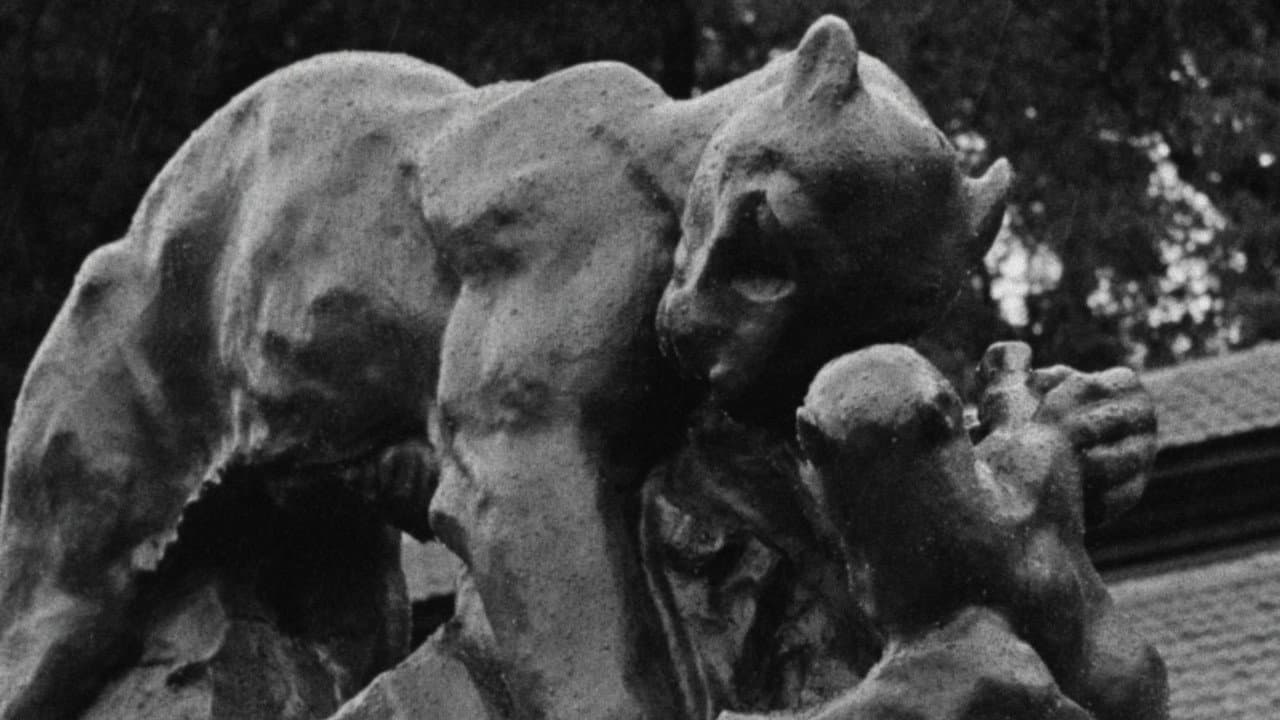
O Mez da Grippe centers on a university professor in Curitiba who sets out to document the Spanish flu's passage through the city — gathering photographs, recorded testimonies, and fragile fragments of collective memory. What starts as disciplined historical research doesn't stay that way. The investigation curdles. The past won't behave like an archive; it behaves like a presence. Immigrant voices surface from old recordings, archival images refuse to stay fixed in their frames, and the city itself begins to feel less like a backdrop than a participant. The film's 85-minute runtime is lean by design — there's no room for comfort here, and the filmmakers clearly don't want any.
How O Mez da Grippe came together — production, pedigree, and what we know so far
Produced by Guaipeca Filmes do Brasil and Rasga Filmes, O Mez da Grippe arrives as a 2026 title from the Brazilian independent sector — a corner of world cinema that has been producing some of the most formally adventurous work of the decade. Hard to say if either production house has a widely recognized international profile yet, but the collaboration suggests a film made with serious intent and limited commercial compromise. That combination tends to mean something.
As of this writing, confirmed cast and director credits haven't surfaced through major trade outlets, and critical aggregators like Rotten Tomatoes and Metacritic don't yet carry a profile for the film — which isn't unusual for a 2026 Brazilian production still finding its festival footing. The film has a dedicated page on Letterboxd, where it's been logged by early viewers, though aggregated ratings and visible reviews remain sparse for non-members at this stage.
What's worth noting is the broader wave of ambitious Brazilian and Latin American filmmaking cresting right now. At Cannes 2026, Daniel Soares' competition entry drew significant attention as a film that treats landscape and memory as inseparable — a thematic kinship with O Mez da Grippe that feels more than coincidental. Separately, productions like Wagner Moura's collaboration with Lisandro Alonso signal that the region's filmmakers are operating with growing international ambition. O Mez da Grippe fits into this current without imitating it.
No MPAA rating, box office figures, or festival award wins have been confirmed for the film at the time of publication. Movie OTT will update this page as festival circuit news and critical data become available.
Why O Mez da Grippe works — and what makes it genuinely unsettling
The thing nobody mentions about films like this — films that use archival research as their dramatic engine — is how much depends on the filmmaker's willingness to let the material be genuinely strange. O Mez da Grippe doesn't sanitize its source. The Spanish flu killed somewhere between 50 and 100 million people worldwide between 1918 and 1920; in Brazil, it arrived with particular cruelty, tearing through port cities and inland communities alike, leaving behind exactly the kind of fractured, underdocumented grief that resists neat historical narrative. Curitiba, with its deep European immigrant roots — Polish, Ukrainian, Italian, German communities layered across a century — becomes the ideal setting for a story about memory that doesn't cohere.
What's striking is how the film uses that incoherence as form rather than flaw. The professor's loss of methodological control mirrors the viewer's own disorientation. Immigrant voices don't provide context; they provide texture, and sometimes contradiction. Archival images appear not as evidence but as accusation. There's a scene — or what feels like a scene, given the film's reportedly fluid structure — where the accumulation of photographs stops feeling like documentation and starts feeling like surveillance. The past watching back.
Honestly, for a film with no confirmed critical consensus yet, it's already generating the kind of quiet word-of-mouth that tends to precede a festival breakthrough. Movieott.com's editorial team will be tracking reviews as they emerge from any 2026 circuit appearances.
Where to stream O Mez da Grippe online right now
O Mez da Grippe is currently available on major OTT services — check the Where to Watch widget at the top of this page for a real-time list of every platform carrying the film in your region. Streaming availability for international independent titles shifts frequently, and what's live in Brazil may differ from availability in North America or Europe. Movie OTT aggregates current streaming data across platforms so you don't have to chase it down manually — the widget updates automatically as distribution deals change. If the film isn't available in your territory yet, it's worth adding it to your watchlist now; Brazilian independent titles with festival momentum tend to land on additional platforms within months of their initial release window.
Frequently asked questions
Q: Where can I watch O Mez da Grippe?
O Mez da Grippe is available on major OTT services — the exact platforms vary by region. The Where to Watch widget at the top of this page on Movie OTT shows live, up-to-date availability wherever you are.
Q: Who made O Mez da Grippe?
The film was produced by Guaipeca Filmes do Brasil and Rasga Filmes. Confirmed director and cast credits haven't been widely published in accessible trade coverage as of mid-2026, though the film has a presence on Letterboxd where early viewers have logged it.
Q: Is O Mez da Grippe based on a true story?
The film is grounded in the real historical event of the Spanish flu pandemic of 1918–1920, which devastated communities across Brazil including Curitiba. The professor protagonist and the specific narrative are fictional, but the archival photographs, testimonies, and immigrant voices the film incorporates draw from genuine historical material.
Q: How long is O Mez da Grippe?
The film runs 85 minutes — a deliberately compact runtime that suits its unsettling, elliptical structure. It doesn't overstay its welcome, which is part of what makes the experience linger after the credits.
Q: Is O Mez da Grippe in Portuguese?
Given its production by Brazilian companies and its setting in Curitiba, Brazil, the film is almost certainly in Portuguese, likely with subtitles available on streaming platforms. The presence of immigrant community voices in the narrative may also mean passages in Polish, Ukrainian, Italian, or German, reflecting Curitiba's historical demographics.
Who should watch O Mez da Grippe — a closing recommendation
O Mez da Grippe isn't comfort viewing. It's the kind of film that asks you to sit with ambiguity and trust that the disorientation is the point. If you're drawn to documentary-adjacent fiction, to films that treat history as something alive and unresolved rather than settled, or to the current wave of formally bold Latin American cinema — this belongs on your list. Eighty-five minutes. No wasted frame. Movie OTT recommends it for anyone willing to let a city's buried grief become their own, at least for an evening.