
The Story of Obvious Child
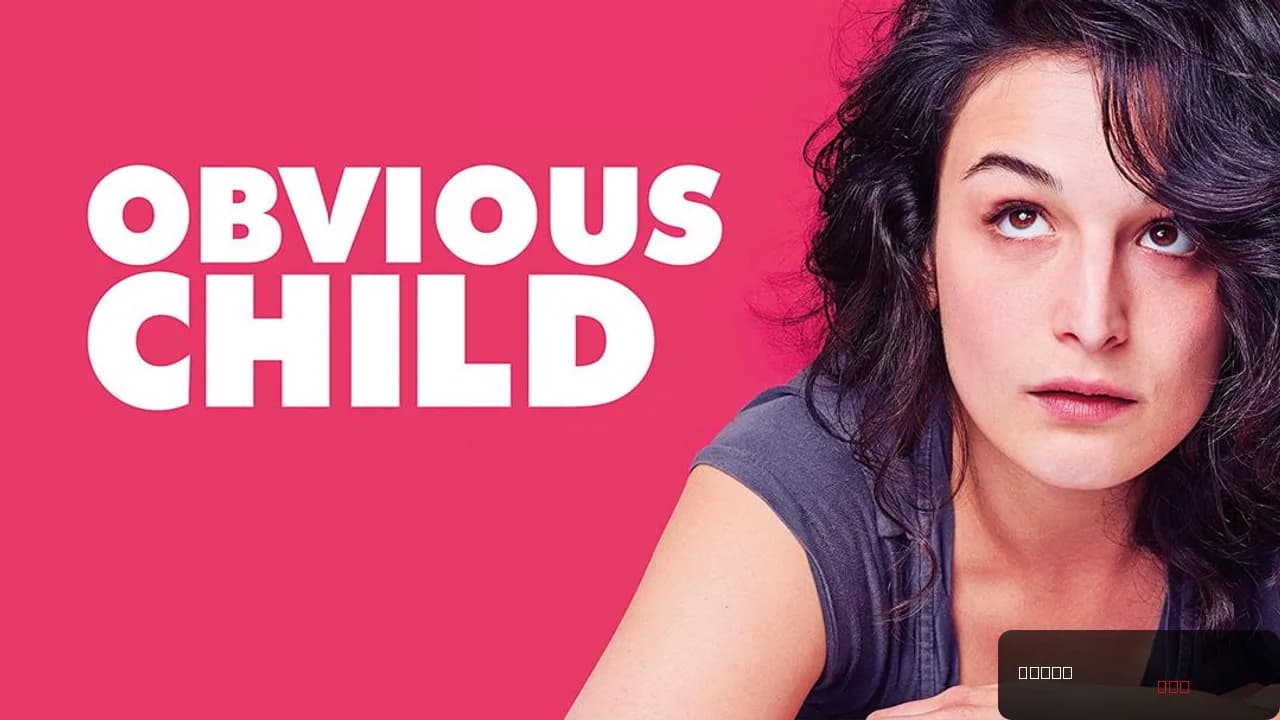
Obvious Child follows Donna Stern, a struggling stand-up comedian in New York whose life spirals into chaos after a drunken one-night stand with a charming stranger named Max. The encounter happens just after she's been dumped by her long-term boyfriend—the kind of rebound decision that feels inevitable at the time and mortifying in the morning. When she discovers she's pregnant, Donna makes a choice that most mainstream comedies would never dare center: she decides to have an abortion. Rather than treating this as tragedy or moral crisis, writer-director Gillian Robespierre frames it as something messier and more human—a decision that's both serious and, somehow, often funny. The film doesn't shy away from the weight of the moment, but it also refuses to let that weight become the entire story.
Behind the Making of Obvious Child
Gillian Robespierre made her feature directorial debut with Obvious Child, adapting and expanding her own 2009 short film of the same name. The gamble paid off. Released in 2014, the film earned a modest $3.1 million at the box office—respectable for an indie comedy dealing with such a loaded subject—and went on to rack up 10 wins and 29 nominations across film festivals and award bodies. The Metascore of 76 tells you something critics were already sensing: this wasn't a gimmick film riding a controversy. It was genuinely well-made.
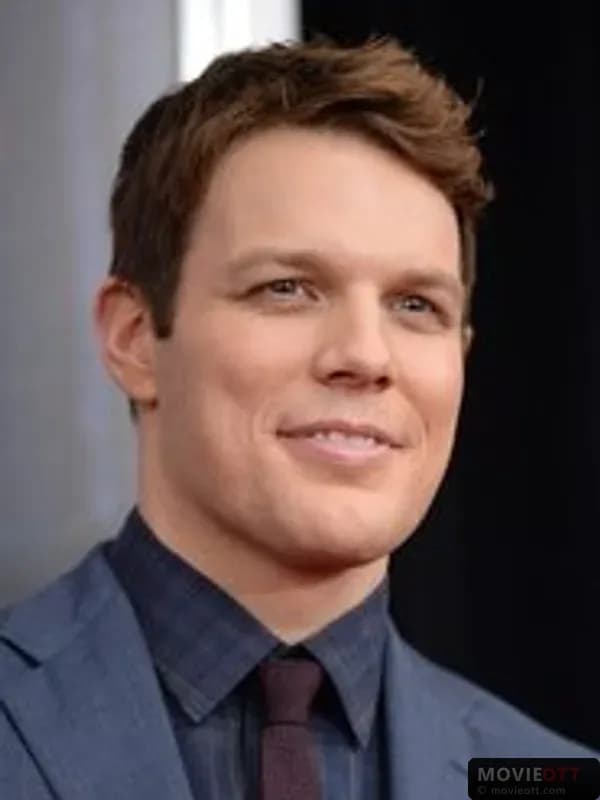
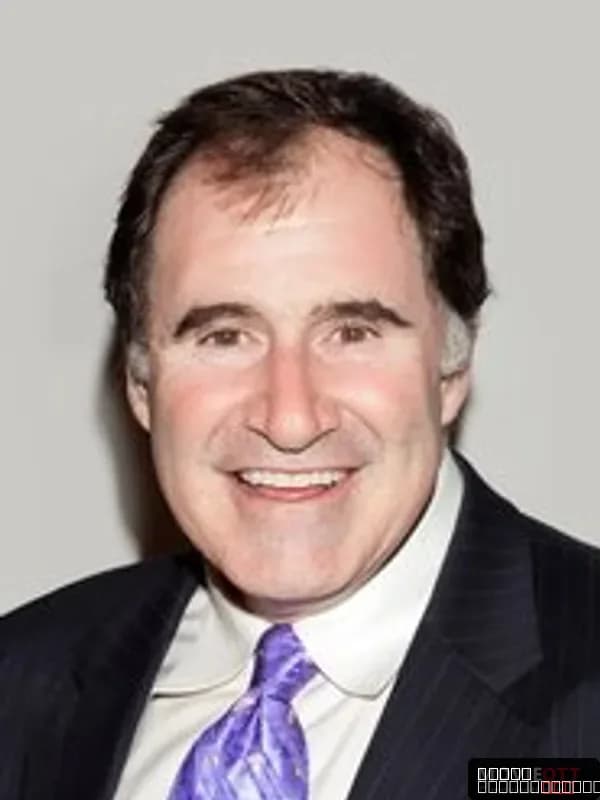
Jenny Slate, then best known for her work on Saturday Night Live, carried the film with a performance that announced her as a serious comedic talent. Her supporting cast included Jake Lacy as Max (before he became a fixture in prestige TV), Gaby Hoffmann as Donna's best friend Sasha, and a handful of character actors like Richard Kind and Polly Draper rounding out the ensemble. The film's R rating gave Robespierre room to let her characters speak and behave like actual humans—profane, contradictory, sometimes selfish—rather than sanitized versions of themselves. What's striking is how Robespierre uses the stand-up comedy scenes not just as set pieces but as windows into Donna's internal life; the jokes she tells onstage reveal what she's actually thinking and feeling offscreen.
What Makes Obvious Child Stand Out
Here's the thing: Obvious Child could've been a sermon. It could've been a tearjerker. Instead, it's genuinely funny. Slate's delivery—that particular way she has of making self-deprecation sound both honest and hilarious—carries you through scenes that could've curdled into melodrama. When Donna bombs a set or has an awkward conversation with her parents, you're laughing with her, not at her. The film doesn't demand you agree with her choice; it just asks you to understand her humanity.
What critics responded to (the film holds a 90% Fresh rating on Rotten Tomatoes) was the balance Robespierre strikes between comedy and consequence. The movie doesn't pretend that choosing to have an abortion is simple or consequence-free, but it also doesn't treat Donna like she's broken or tragic for making that choice. She's just a person dealing with a real situation—and that's radical in the landscape of mainstream film. The romantic elements land too; there's genuine chemistry between Slate and Lacy, and the film's exploration of whether Max might stick around adds emotional texture without becoming the point. Variety reported that the film's success at Sundance signaled a shift in how independent cinema could tackle politically charged topics with humor and nuance intact.
I keep coming back to the scene where Donna tells Max what's going on—she does it almost casually, matter-of-factly, and his reaction is neither villainous nor saintly. It's just... complicated. That's the film in a nutshell.
Where to Stream Obvious Child Online
Obvious Child is currently available on Prime Video, where you can stream it on-demand. If you're hunting for where to watch, the Where-to-Watch widget at the top of this page will show you real-time availability across all platforms—Movie OTT tracks streaming rights as they shift, so you'll always know which service has it right now. The 84-minute runtime makes it perfect for a weeknight watch, and at this point, enough time has passed that it feels both fresh and like a small piece of recent cinema history.
Frequently asked questions
Q: Who directed Obvious Child?
Gillian Robespierre wrote and directed Obvious Child, making her feature film debut. She adapted it from her own 2009 short film of the same name.
Q: Is Obvious Child based on a true story?
No, Obvious Child is a fictional story created by Gillian Robespierre. While it deals with real-world issues, the characters and events are invented.
Q: What's the runtime of Obvious Child?
The film runs 84 minutes, making it a relatively lean romantic comedy that doesn't overstay its welcome.
Q: Is Obvious Child appropriate for teenagers?
Obvious Child is rated R for language and sexual content, so it's intended for mature audiences. The themes and language reflect that rating.
Q: What's the critical consensus on Obvious Child?
Critics embraced the film warmly, giving it a 90% Fresh rating on Rotten Tomatoes and a Metascore of 76. Viewers on IMDb gave it a 6.7/10 based on over 26,000 votes.
Final Thoughts on Obvious Child
Obvious Child remains a small but significant film—one that proved you could make a smart comedy about reproductive choice without preaching or sentimentality. Jenny Slate's performance launched her into bigger roles, and Gillian Robespierre showed that indie filmmakers could tackle controversial subjects with wit and warmth. It's not a perfect film, and it's not trying to be. It's just honest, funny, and human. If you haven't seen it, now's the time.