Oplan Tokhang: Katarungan at Pananagutan
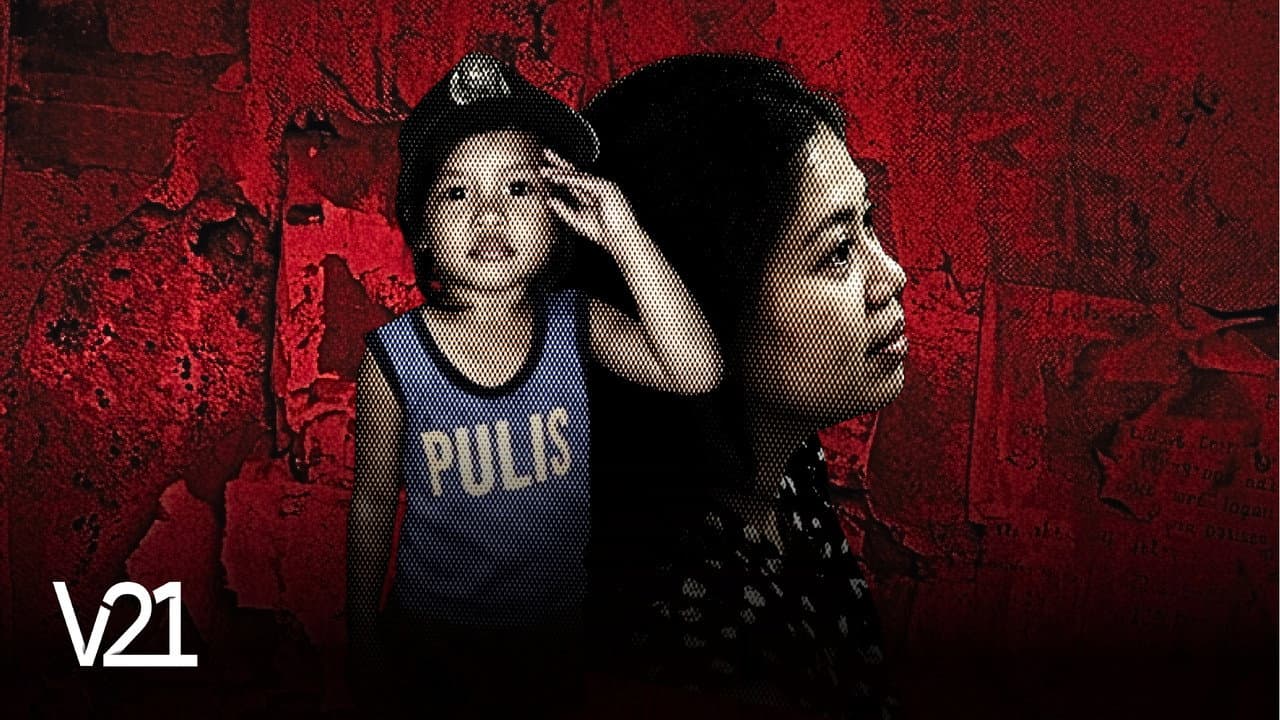
A 16-minute documentary that refuses to look away. Oplan Tokhang: Katarungan at Pananagutan centers on the killing of Myca Ulpina, a three-year-old girl shot dead in June 2019 during a Philippine police raid — the youngest documented victim of the Duterte administration's "War on Drugs" campaign. Her mother, Nanay Lydjay, carries the entire film on her testimony alone, methodically dismantling the official police narrative that justified the raid and cleared her family of the allegations that preceded it.
Why this 16 minutes matters more than most documentaries twice its length
The film's title is already doing work — "Oplan Tokhang" references the door-knocking police operations that became synonymous with extrajudicial killings across the Philippines, while "Katarungan at Pananagutan" translates to justice and accountability. Neither, the documentary suggests, ever arrived.
What's striking is how much the film achieves without the usual documentary apparatus. No dramatic reconstructions. No parade of human rights experts contextualizing the violence into abstraction. No swelling strings telling you how to feel. Just Nanay Lydjay, speaking — and the weight of what she's describing does all the heavy lifting.
Her account directly contradicts the official story. Police framed the June 2019 operation as legitimate drug enforcement in which Myca was caught in crossfire. Nanay Lydjay dismantles that framing piece by piece, calmly and methodically. Watching her do this — from a place of grief that hasn't calcified into numbness — is one of the more quietly extraordinary things a documentary subject has done on screen in recent memory. The filmmakers trust the testimony. They don't editoriialize.
V21 motion, the production company behind this, specializes in this kind of restrained approach — prioritizing access and authenticity over polish. The result feels less like advocacy filmmaking and more like evidence being presented. Which, I think, is precisely the point.
The case that won't go away
International attention followed Myca's death almost immediately. Amnesty International and Human Rights Watch both condemned the killing in the years that followed, and the case became a flashpoint for broader debates about accountability within the Philippine National Police. The official account never held up to scrutiny — not publicly, anyway.
Here's the thing nobody mentions in most coverage: the smallest victims get the quietest memorials. Three years old. June 2019. A name that could vanish from a news cycle in three days. Documenting her story — and centering her mother's voice — was a deliberate editorial choice, and it's paid off in ways that matter more than festival laurels or streaming rankings.
The film carries no formal rating (standard for short documentaries bypassing theatrical release), and there's no box office to report. This was built for impact, not receipts. If awards recognition comes, it'll likely arrive through human rights film festivals rather than mainstream awards bodies — though Movie OTT's documentary tracking will have the latest updates on any festival selections as they develop.
Where to watch — and why availability matters
Oplan Tokhang: Katarungan at Pananagutan is currently available on major OTT services globally. Streaming availability shifts regularly, so the Where-to-Watch widget at the top of this page reflects real-time platform access. Movie OTT's where-to-watch tracker updates as licensing changes, so if you're looking for the most current breakdown in your specific region, that's your best starting point.
Human rights documentaries sometimes get staggered rollouts depending on local distribution agreements, so it's worth checking availability in your territory specifically. The film's 2026 release date means it's recent enough that platform licensing is still actively being negotiated in some regions.
What you're actually watching
This isn't easy viewing. It's not meant to be. If you can sit with discomfort — if you want documentary filmmaking that respects your intelligence instead of spoon-feeding narrative — this is essential.
The runtime is deceptively short. Sixteen minutes doesn't feel like a constraint here; it feels like precision. Every second loads meaning. There's no padding, no B-roll filler, no thesis the filmmakers aren't sure how to land.
I keep coming back to Nanay Lydjay's composure throughout. She's not performing grief for the camera. She's not performing anything. She's reconstructing a day that destroyed her family and refusing to let an official narrative erase her daughter's death. That's the entire film right there.
Frequently asked questions
Q: Is this based on a true story?
Yes, entirely. Myca Ulpina was a real three-year-old girl killed in June 2019 during a police raid. The film documents her killing through her mother's firsthand testimony — no dramatization, no reconstruction.
Q: How long is it?
16 minutes. Short, yes — but complete. Structured as a self-contained argument, not a teaser or excerpt.
Q: Who produced this?
V21 motion released the documentary in 2026. The production company's approach prioritizes direct testimony and minimal mediation, which shapes the film's stripped-back aesthetic.
Q: Where can I stream it?
Check the Where-to-Watch widget on this page for the current platform availability in your region. Movie OTT tracks real-time streaming access, so that'll be your most up-to-date source.
Q: Is it family-friendly?
No. The film documents the killing of a child and centers on a mother's testimony about state violence. It's intended for adult viewers who can engage with difficult subject matter.
Why you should watch it now
Don't sleep on this one. Sixteen minutes. That's all it takes for this documentary to make its case without flinching, without editorializing, without letting you off the hook.
If you have any interest in human rights, in the accountability of state violence, or simply in what it looks like when a mother refuses to let an official narrative erase her child's death — watch it. The film won't leave you. It's not designed to.