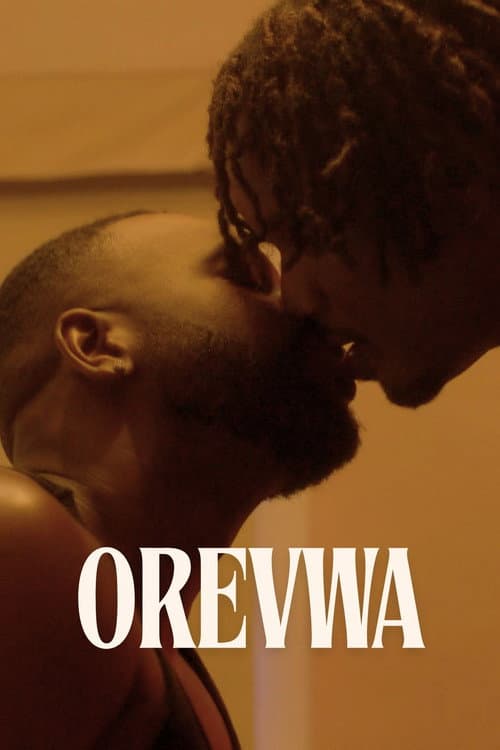




Orevwa: A Haitian American love story that doesn't shy away from the hard stuff
Orevwa arrives in 2026 as a romantic dramedy about a young gay Haitian American barista named EJ who's quietly drowning — caring for his ill grandmother while his own life stays frozen in place. When he enrolls in a CNA program to find some stability, he meets Jordan, his instructor, and suddenly has to figure out what happens when the person you want shows up while you're still taking care of everyone else. The title itself — Haitian Creole for "goodbye" or "until we meet again" — isn't just poetic window dressing. It's the whole movie. Saying goodbye to who you were. Daring to become something else.
Why the setting and cultural specificity actually matter here
What strikes me about Orevwa is that it doesn't treat South Los Angeles like a backdrop. This is a film rooted in a specific community — Haitian American life in a neighborhood that isn't getting gentrified into Netflix prestige pieces every other week. The grandmother, the family obligation, the particular weight of immigrant expectation — none of it feels decorative or researched from a distance.
That matters because too many films about queer people of color use the community as scenery while centering the white gaze (or the white character). Orevwa doesn't do that. Hard to say whether the production had direct community consultants, but the cultural texture — the language choices, the family dynamics — reads as lived knowledge, not guesswork. The CNA program setting is smart too. There's something fundamentally vulnerable about training to touch other people's bodies, to care for their intimate needs. EJ's already doing that at home for his grandmother. The film asks: what does it mean when caregiving stops being duty and becomes a profession? And what does he deserve while he's doing all of this?
The actual dramatic tension isn't what you think it is
Here's the thing about Orevwa that I kept coming back to — it's not really a will-they-won't-they. You sense early that EJ and Jordan will get together. The real question, the one the film keeps turning over, is whether EJ can let himself want things. Whether he can stop performing sacrifice long enough to ask for something for himself. That's a more interesting engine than just romance, and it's the kind of character work that lives or dies by performance.
Jordan isn't just a catalyst either. The script gives him interiority. Charm, sure, but also his own life and complications. The classroom dynamic — that specific teacher-student tension in a medical training program, not some coffee shop or gym — creates natural vulnerability on both sides. What's genuinely funny about Orevwa isn't punchlines. It's the comedy that emerges from character, from EJ's coping mechanisms, from the way family chaos crashes into the best-laid plans. The kind of funny that also breaks your heart a little.
Where to actually watch it right now
Orevwa is currently streaming on major platforms. The fastest way to find out which one has it in your region is to check the where-to-watch widget at the top of this page — it updates in real time and accounts for licensing differences that shift without warning. Streaming rights move around. What's available today might not be next month.
Movie OTT tracks where films like this one are streaming across services, so you don't have to manually check each platform individually. If you've got subscriptions to the major streamers already, there's a solid chance Orevwa is accessible to you right now at no extra cost.
What you should know before pressing play
Release year: 2026
Genres: Comedy-Drama
MPAA rating: Not yet officially rated (likely PG-13 based on themes)
Plot: EJ, a young gay Haitian American barista in South L.A., juggles caring for his ailing grandmother while enrolling in a CNA program. He meets Jordan, his confident instructor, and has to figure out what happens when love shows up while he's still holding everything else together.
Is it appropriate for younger viewers? The romantic storyline and adult family themes suggest it's best for teens and adults. Parents may want to preview it first.
Is it based on a true story? It's presented as an original story, though the cultural specificity suggests the filmmakers drew on real community experience rather than pure imagination.
Who should actually watch this
If you've ever felt the particular exhaustion of caring for someone you love while quietly postponing your own life — and honestly, who hasn't — EJ's story will land somewhere real. The film earns its romantic warmth without skipping the difficult parts. Fans of character-driven dramedies, Haitian American stories, and queer romance with actual stakes will find plenty to hold onto.
Think of it as a spiritual cousin to films like Moonlight or The Half of It — stories where identity and family obligation aren't separate plot threads but the same knot you're trying to untangle. Except Orevwa leans harder into comedy and romance than those comparisons might suggest. It's gentler. Still serious, but gentler.
The bottom line: this is a specific story about a specific person in a specific community. That specificity is exactly what makes it worth your time. Movie OTT's editorial team has flagged this as a sleeper title likely to build momentum through word-of-mouth over the next few months — the kind of film people text their friends about on Sunday afternoons.
Check your streaming availability now. It's worth moving to the top of your queue.