
The Story of Pancho Villa and the Raid on America
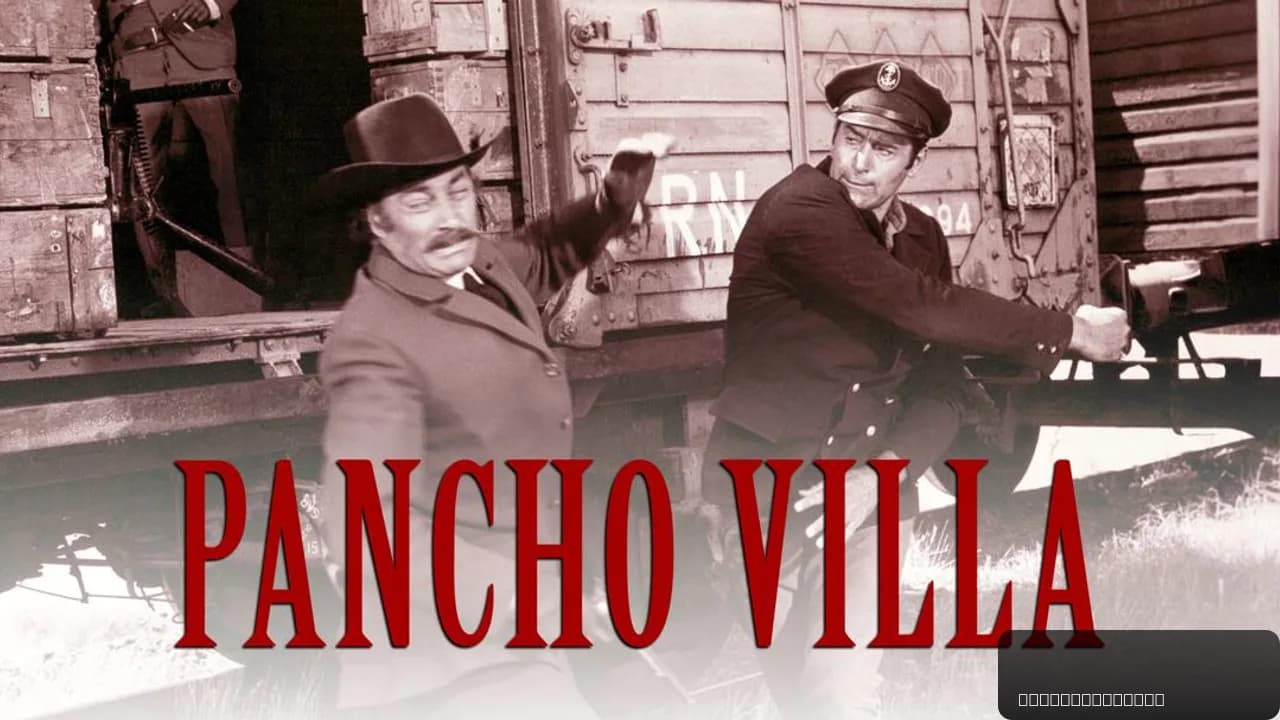
Pancho Villa, released in 1972, tells the audacious story of the Mexican revolutionary and bandit who famously invaded the United States. The film follows Villa as he orchestrates a daring raid on a U.S. Army weapons depot in Columbus, New Mexico—a historical event that actually happened, though this version takes considerable creative liberties with the facts. Telly Savalas inhabits the title role with a particular swagger, playing a man simultaneously celebrated for his bravery and feared for his ruthlessness. What emerges is less a historical drama and more a sprawling adventure that treats its subject matter with an unusual mix of reverence and irreverence. The 90-minute runtime moves quickly through desert chases, military confrontations, and the kind of explosive set pieces you'd expect from the spaghetti western boom of the early 1970s.
Behind the Making of Pancho Villa and Its Unusual Production Pedigree
Directed by Spanish filmmaker Eugenio Martín, Pancho Villa was a co-production between Spain and the United Kingdom—a pairing that reflects the international appetite for westerns during this era. Martín co-wrote the screenplay with Julian Zimet, crafting a narrative that, while inspired by Villa's legend, makes no pretense of historical accuracy. The supporting cast reads like a who's who of mid-century television and film: Clint Walker (best known for the TV series Wagon Train), Chuck Connors, and Anne Francis round out a roster that suggests this was a project with genuine Hollywood interest behind it. Cinematographer Alejandro Ulloa shot the film in Spain, utilizing Spanish locations to stand in for the American Southwest—a common practice in European westerns of the period. The score came from Antón García Abril, while John Cacavas composed the title song "We All End Up the Same," with lyrics by Don Black, performed by Savalas himself. The film's tone—which we'll get to—remains its most distinctive and perplexing feature, and that tonal confusion didn't prevent it from finding an audience among genre enthusiasts, though mainstream critics have been less forgiving. The film currently holds a 4.6 rating on IMDb, a score that speaks to its divisive nature.
What Makes Pancho Villa Such a Peculiar and Oddly Compelling Western
Here's the thing that catches most viewers off guard: this isn't a straightforward action film, despite what the marketing might suggest. Beneath the gunfights and cavalry charges runs a vein of satirical comedy and light-hearted absurdity that the film itself doesn't always seem aware it's employing. The movie was developed during the Vietnam War, and that context matters—there's an undercurrent of antiwar sentiment woven through the narrative, a skepticism about military authority and the glorification of conquest that feels almost subversive for a 1972 action picture. What's striking is how the film manages to be simultaneously a "brawling spectacle" (in the words of those who've analyzed it) and something closer to a genre parody, though calling it a parody might be too generous. It's more accurate to say the film doesn't quite know what it wants to be, which paradoxically makes it oddly watchable—you're never quite sure if you're supposed to be cheering for Villa or laughing at the absurdity of the entire enterprise. Savalas brings a particular charisma to the role, a world-weary charm that suggests he understands the film's contradictions even if the filmmakers don't always seem to. The supporting performances from Walker and the ensemble cast ground the material in a kind of earnestness that contrasts beautifully with the film's more ridiculous moments, creating an unintentional comedy that works precisely because nobody's winking at the camera.
Where to Stream Pancho Villa Online
If you're curious to experience this peculiar piece of 1970s cinema, Pancho Villa is currently available on Prime Video. The film's cult status has kept it in circulation on streaming platforms, making it accessible to those interested in exploring the weirder corners of the spaghetti western canon. Movie OTT tracks current streaming availability across multiple platforms, so if you're hunting for where to watch Pancho Villa or other genre films from this era, you can check the Where to Watch widget at the top of this page for the most up-to-date information on which services are carrying it. The 90-minute runtime makes it a manageable watch, even if you're uncertain going in whether you'll actually enjoy it—and that uncertainty is honestly part of the appeal.
Frequently asked questions
Q: Is Pancho Villa based on a true story?
While the film takes its title and general inspiration from the real Mexican revolutionary, it has no basis in historical fact. The filmmakers freely adapted and invented plot elements, using Villa's legend as a springboard rather than a blueprint.
Q: Who directed Pancho Villa?
Spanish director Eugenio Martín helmed the film, co-writing the screenplay with Julian Zimet. Martín was known for his work in European genre cinema during this period.
Q: Why is Pancho Villa so confusing to modern viewers?
The film blends action-adventure spectacle with satirical comedy and antiwar sentiment in ways that don't always cohere. It's simultaneously earnest and absurd, which can leave audiences uncertain about the filmmakers' intentions.
Q: Does Telly Savalas sing in the movie?
Yes—Savalas performs the title song "We All End Up the Same," composed by John Cacavas with lyrics by Don Black. It's one of the film's more memorable (and odd) moments.
Q: What's the runtime of Pancho Villa?
The film runs 90 minutes, making it a brisk watch despite its ambitious scope and numerous action sequences.
Final Thoughts on Pancho Villa as a Cult Oddity
Pancho Villa isn't a "good" film by conventional standards—the IMDb score reflects a genuine critical consensus on that front. But it's undeniably interesting, a product of a specific moment in cinema history when European filmmakers were experimenting with American genres and international casts were financing increasingly bizarre projects. It's worth watching if you're the kind of viewer who finds more entertainment in a film's failures and contradictions than in its successes. Don't expect historical accuracy or tonal consistency. Do expect a genuinely weird artifact that reveals something about 1970s anxieties, genre conventions, and the peculiar appeal of the spaghetti western in decline.